

The Complete Guide to Premium Crab: How to Choose Brand-name Crabs and the Charm of Shonai Kitamae Crab
2025/11/21 This site contains advertisements. Category: crab
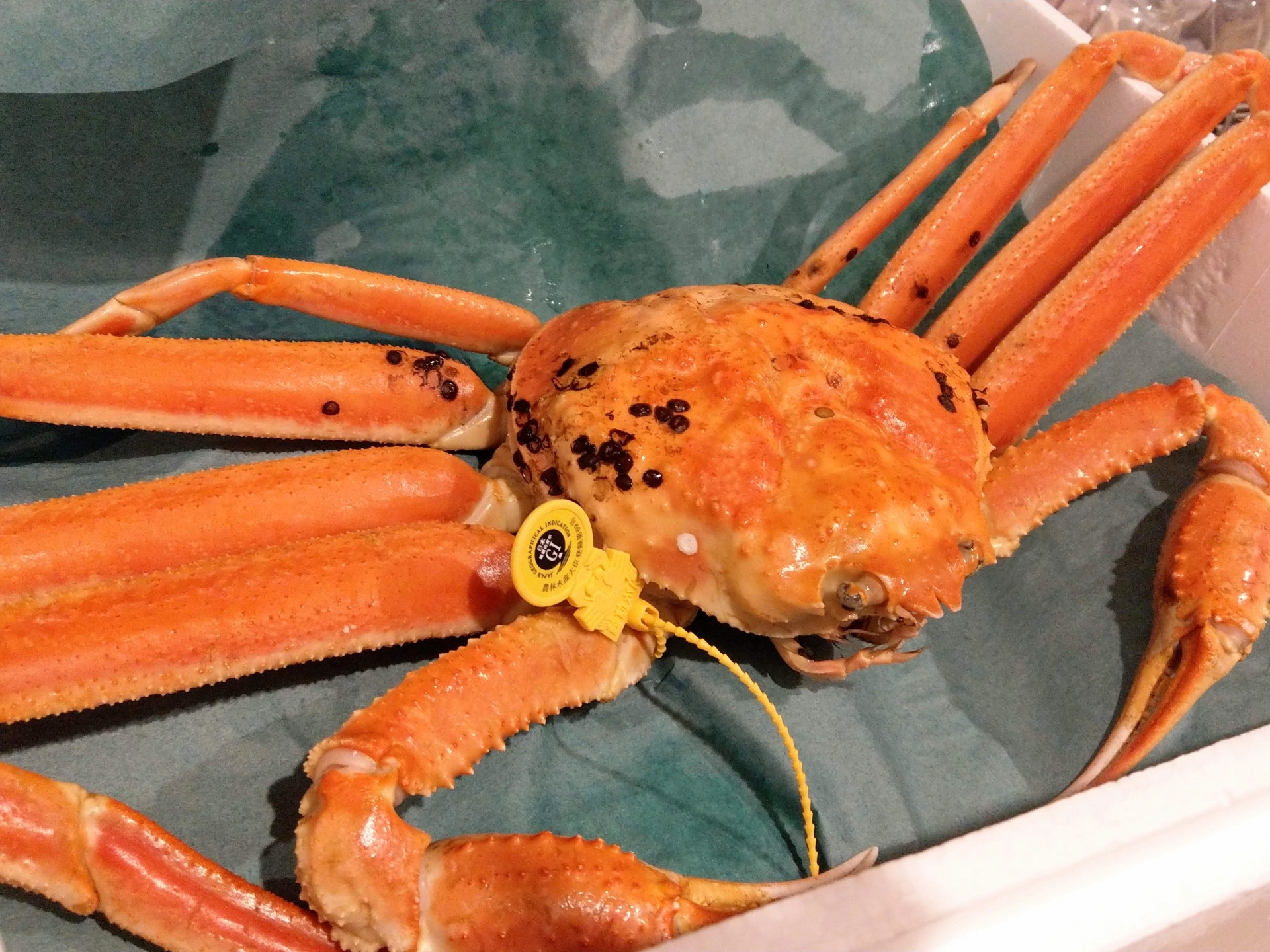
When it comes to winter delicacies, the classic choice is premium crab. It is popular not only as a gift but also as a treat for oneself on special occasions.
However, even though we call them all ‘crab,’ factors such as the place of origin, fishing season, and brand can greatly affect their flavor and price. That’s why knowing their characteristics is key to picking a delicious crab.
In this article, we compare major domestic crab brands and focus on the regional brand Shonai Kitamae Crab, caught off Shonai Beach in Yamagata Prefecture and certified under “strict standards.” We provide a detailed guide on how to choose, distinguish, and purchase them.
Types of premium crabs (the four major crabs)
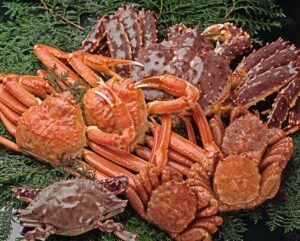
When talking about premium crabs, the first thing to keep in mind is the “Four Major Crabs.” To understand high-end crabs, you should first familiarize yourself with the types of crabs.
① Snow Crab (Zuwai-gani)
It is the most recognized as a premium crab and is a central figure among branded crabs. Almost all of the crabs that have been branded nationwide, such as Echizen Crab, Matsuba Crab, Kano Crab, and Shonai Kitamae Crab, are snow crabs.
②King Crab
Known for its size and meaty texture. It is highly rare and tends to be expensive. The fibers of the meat are thick, making it suitable for grilled crab or steak.
③Hairy Crab
A premium crab highly praised for its crab miso. Mainly produced in Hokkaido, its flavor is especially rich in winter, which is its peak season.
④Hanazaki Crab
A phantom luxury crab caught only in Nemuro, Hokkaido. Similar to King Crab, it has a stronger flavor and is highly rare.
Japan’s finest brand crabs (Gokisei, Taiza Crab, Shonai Kitamae Crab , and others)
Among high-end crabs, there are brands that are treated as the “top-tier” based on factors such as catch volume, strict standards, and brand power. Here, we introduce brand crabs that are particularly highly regarded in Japan.
Gokisei (Special Select Tottori Matsuba Crab from Karou Port, Tottori)
This top brand is awarded only to individuals of the “Tottori Matsuba Crab” that meet strict criteria such as a shell width of 13.5 cm or more and a weight of 1.2 kg or more. These “phantom-class” Matsuba crabs account for less than 0.1% of the total catch and are known for fetching hundreds of thousands of yen at the first auctions in the past.
Taiza Crab (Kyoto, Tango)
Caught in small fishing ports, the landing quantity is extremely low, making it famous as the most difficult-to-obtain snow crab.
Echizen Crab (Fukui)
A Japanese representative brand known for its overwhelming fame as the imperial gift crab.
Matsuba Crab (Tottori, Hyogo)
Brands are finely divided into regions such as Shibayama, Tsuijiyama, and Hamasaka, with extremely high quality standards.
Shonai Kitamae Crab (Yamagata Prefecture, Shonai Coast)
Among the snow crabs (horseshoe crabs) landed on the Shonai Coast, only those individuals that meet extremely high standards—such as weighing over 1.0 kg, having a carapace width over 13 cm, being landed alive, and having the highest grade of meat quality—are awarded the premium-rank “Special Selection” tag.
According to a 2020 report by the Mainichi Shimbun, the number of crabs certified as Special Selection in a given year was only 39, making it one of the rarest regional brands of crab nationwide—a “phantom-level” local brand.
Thanks to early season openings (in October), the crabs firm up in the cold currents, with their sweetness and delicate umami highly appreciated.
Shonai Kitamae Crab
What Is Premium Crab? Its Definition and Value
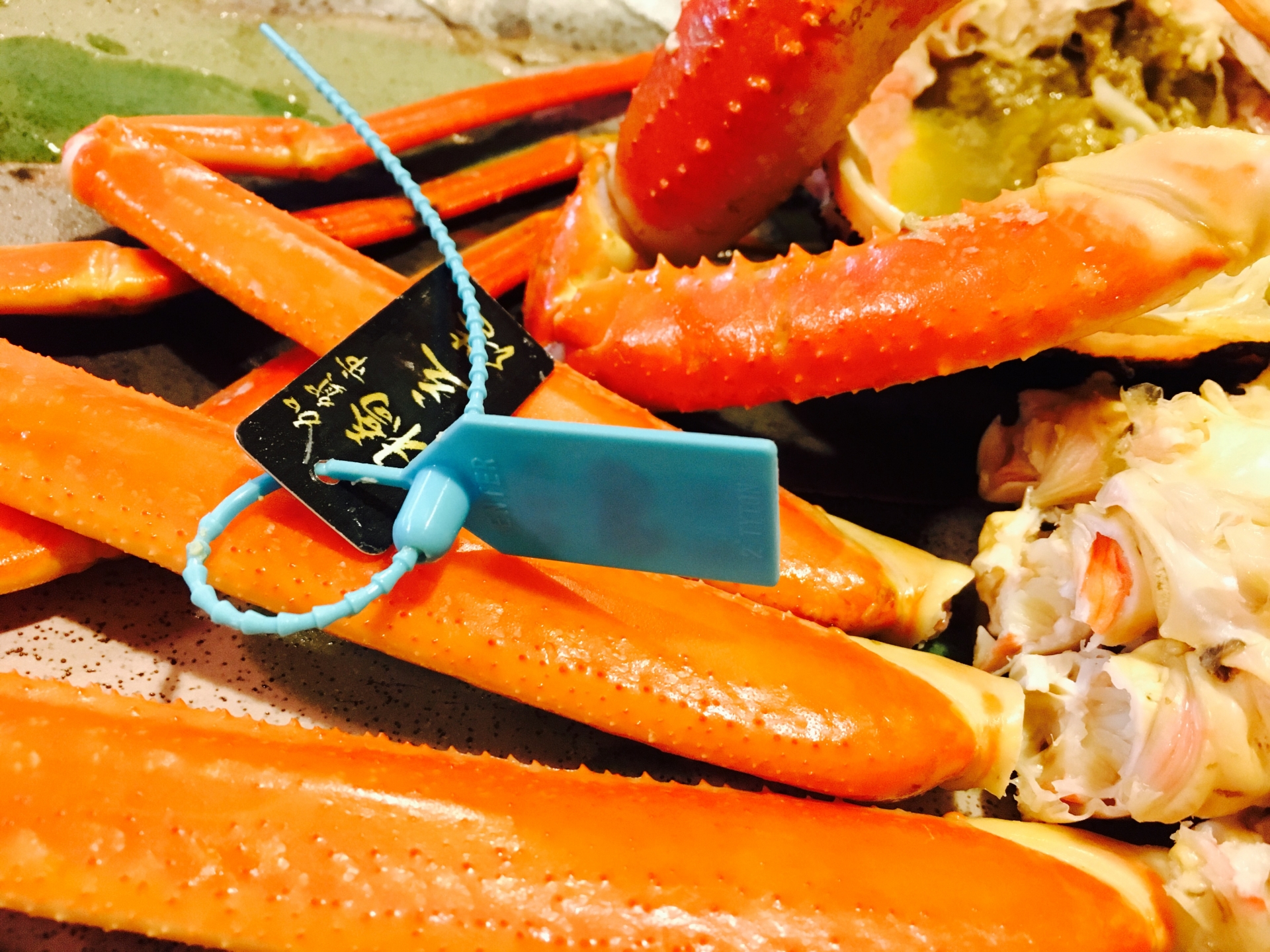
Luxury crab refers not just to crabs that are expensive, but to “special crabs” whose origin, freshness, quality, and rarity are strictly managed. In Japan, branded tagged snow crabs and king crabs are representative, and among these, only a limited number that meet the standards are considered “luxury.” They are carefully selected for taste, appearance, and fishing season, making them popular as gifts as well.
Why luxury crabs are called “luxury”
Luxury crabs are rare because their fishing season is short and the catch is limited. Furthermore, only those that meet certain size, meat content, and freshness criteria are marketed as brands, which drives up their price.
Additionally, the strict processing such as live killing and same-day shipping performed locally helps maintain the texture and flavor to the utmost, which is another reason why their value increases.
The Value of Branded Crab: Rarity, Origin, Fishing Season, and Tags
Branded crabs are only given tags if they meet the standards set by each region.
For example, Fukui’s Echizen Crab, Tottori’s Matsuba Crab, and Yamagata Prefecture’s Shonai Kitamae Crab are representative examples.
These brands have a unique taste shaped by the fishing area’s water temperature, currents, and growth environment, making them truly “works of art nurtured by the sea.”
In particular, the Shonai Kitamae Crab is rare and highly prized as a luxury brand because it is the first to be released nationwide in October, and only a limited number that meet strict standards are shipped as “specially selected”.
Image of “Prefectures Where Crab Is Delicious” Seen from the Survey
For the creation of this article, we conducted a simple survey through crowdsourcing asking people about the “prefecture where they think crab is the most delicious” and the reasons for their choice. Although it is not a statistically rigorous survey, it serves as a reference to understand how the general public perceives production areas.
In the responses, names of areas known as production regions for snow crab and hair crab, such as Hokkaido, San’in region (Tottori, Hyogo, Kyoto), and Hokuriku (Fukui, Ishikawa), were frequently mentioned. The reasons that stood out included the following comments.
- Because many of the brand names are ones you often see on TV, in magazines, or on online shopping sites
- Because I actually tried it while traveling or on a business trip and it was delicious
- Because the image of fishing ports or hot spring resorts is associated with “crab”
- Because in the prefecture where I live or am from, there have been many opportunities to eat crab since long ago
On the other hand, there were also many responses that were linked to specific memories, such as “I can’t forget the crab I ate in Kinosaki Onsen” or “The crab we had on a family trip to XX Prefecture was delicious.” Additionally, many people wrote the names of the prefectures where they live or were born, showing that local pride and a sense of familiarity also shape the image of “prefectures with delicious crab.”
What this survey reveals is that the value of “high-end crab” is not determined solely by objective factors such as resource volume or brand standards. The combination of brand recognition, media exposure, experiences in that area, and attachment to one’s hometown creates the image that “the crab in that prefecture looks delicious” and “I want to try it at least once.”
In other words, when choosing high-end crab, in addition to objective indicators such as the place of origin and tags, considering whether the region holds memories or stories for yourself or the person you are giving it to can also serve as a useful criterion.
Major Domestic Crab Brands|Echizen Crab, Matsuba Crab, Shonai Kitamae Crab, etc.

In various parts of Japan, “brand crabs” have been established, mainly snow crabs, and each region has its own standards and tag systems.
These high-quality crabs are not just food ingredients, but also symbols of local fishing technology, culture, and pride. Here, we will introduce nationally known brands and Yamagata Prefecture’s “Shonai Kitamae crab” that is attracting new attention.
Echizen crab (Fukui), Matsuba crab (Tottori, Hyogo), etc.
The brands representing Japanese crabs are Fukui Prefecture’s Echizen Crab and Tottori/Hyogo Prefecture’s Matsuba Crab. Echizen Crab is known as Japan’s oldest branded snow crab and is a distinguished brand with a documented history of being presented to the imperial family.
On the other hand, Matsuba Crab is carefully tagged according to each fishing ground, giving rise to multiple brands such as Shibayama Crab and Tsuiyama Crab. Both are characterized by firm meat, rich umami, and fragrant aroma, making them a winter delicacy that attracts orders from all over the country.
Shonai Kitamae Crab (Shonai Coast, Yamagata Prefecture) — A New Trend in Regional Branding
Shonai Kitamae Crab is a regional brand given only to snow crabs (Matsuba snow crabs) caught in Shonai Hama, Yamagata Prefecture, that meet the strict standards set by Yamagata Prefecture, such as “weight over 700g,” “carapace width over 13cm,” “well-filled meat,” and “freshness.”
Furthermore, individuals that particularly excel in these standards and weigh more than 1.0kg are selected as Shonai Kitamae Crab <Special Selection> and treated as a more rare premium grade. Since Shonai Hama is one of the few areas in the country where snow crab fishing opens in October, these early-season crabs are characterized by their firm meat and rich sweetness.
The brand name originates from the ‘Kitamae Ship Culture’ that connected Shonai and the Hokuriku region during the Edo period, and it is gaining attention as a new brand symbolizing the sea and history of Shonai.
Additionally, individuals that do not meet the standards cannot be called ‘Shonai Kitamae Crab’ and are considered outside the brand.
Since the distribution outside the prefecture is limited, tasting it at local inns or restaurants is considered the most luxurious experience.
How to Choose Premium Crab: Key Points to Check
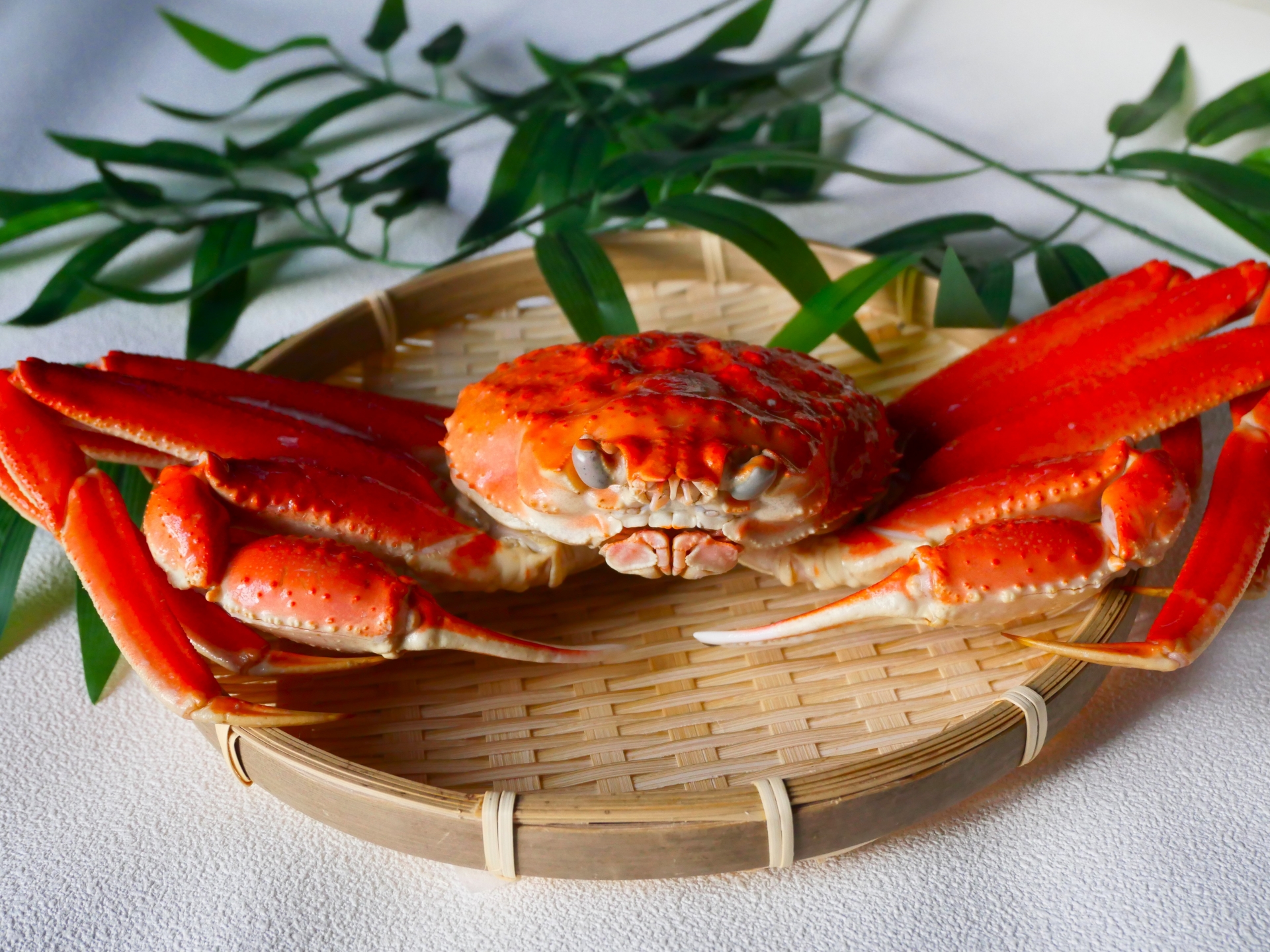
It’s difficult to judge the quality of premium crab just by appearance, so it’s important to know what to check when purchasing. By paying attention to factors such as the brand tag, fishing season, and freshness, you can fully enjoy the authentic taste. Here, we will explain in detail how to choose without making a mistake.
Check the origin label, tag, and shipping standards
Brand crabs always come with tags that differ depending on the fishing port. These tags are proof of quality and legitimate shipment.
Of course, crabs like Echizen crab, Matsuba crab, and Kano crab, as well as Yamagata Prefecture’s Shonai Kitamae crab, only receive tags if they meet strict standards. When purchasing, be sure to check for the presence of a tag, the origin labeling, and the shipping certificate.
Flavor Changes Depending on Fishing Season, Freshness, and Whether the Crab is Alive or Frozen
The timing of the fishing season greatly affects the meat yield and the richness of the flavor. In early-season fisheries like that of Shonai Kitamae crab, which opens in October, many fresh crabs have firm flesh due to the cold currents, and they are characterized by a strong sweetness.
Also, live crabs are extremely fresh and suitable for sashimi or grilled crab, while frozen crabs are more preservable and suitable as gifts.
It should be noted that Shonai Kitamae crabs are evaluated based on their condition when landed alive, so they are not shipped as frozen crabs under the brand name. If frozen snow crabs are sold online, they are likely not Kitamae crabs, but rather “Shonai snow crabs that did not meet the brand standards.”
The key is to choose according to the purpose and occasion.
Delivery, storage, and thawing methods also affect the taste
Even high-quality crabs can lose their flavor depending on how they are delivered or defrosted. Therefore, specify the delivery date and choose ones that are shipped as close to that date as possible.
For frozen crabs, the ideal is to defrost them slowly in the refrigerator rather than at room temperature. When ordering live crabs such as Shonai Kitamae Crab, it is also reassuring to check if the sender performs same-day catching and same-day shipping.
Using High-Quality Crabs as Gifts or for Special Occasions
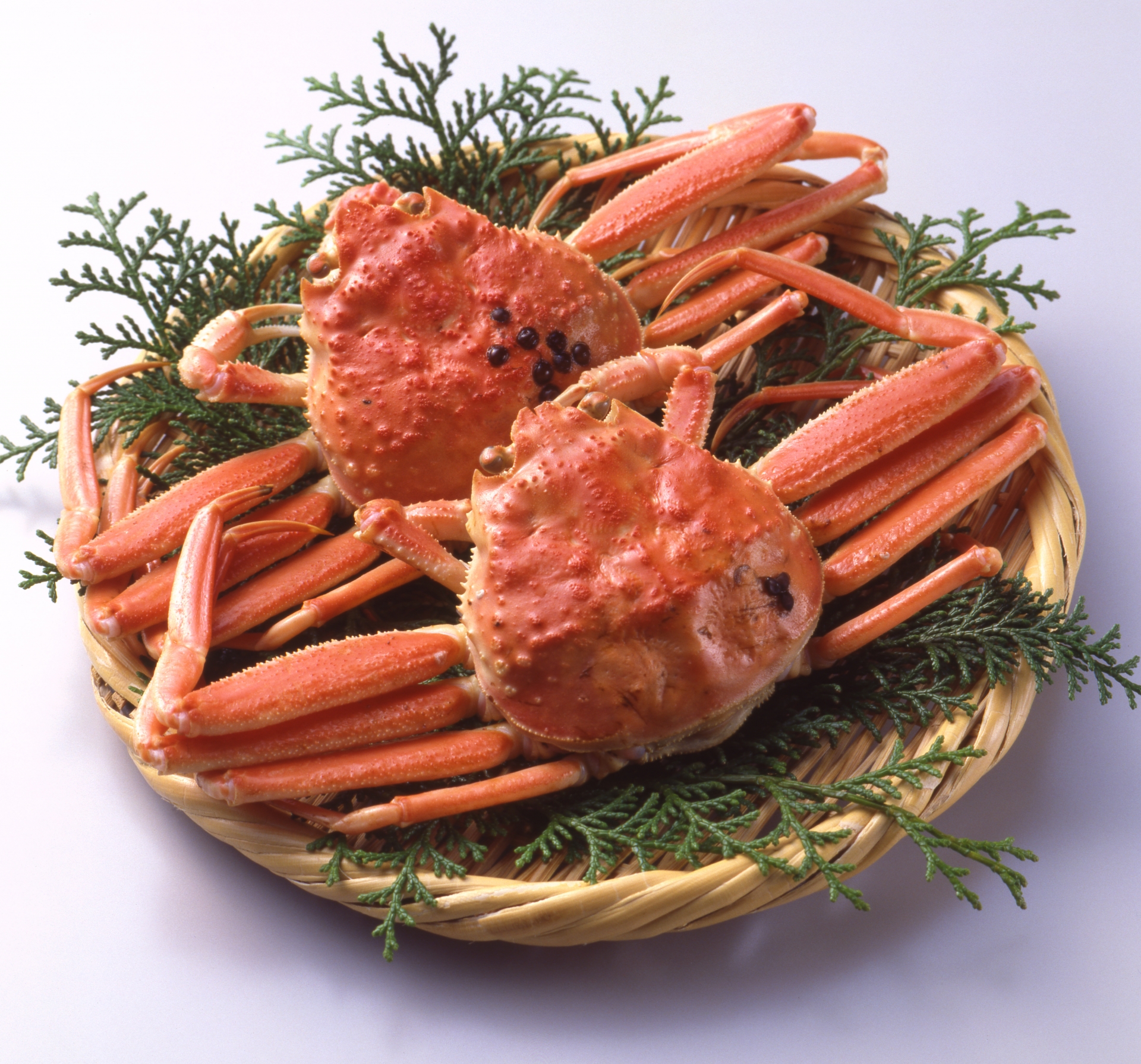
Premium crab is highly popular as a gift for special occasions. It is perfect not only for year-end and mid-year gifts for family or business associates, but also for celebrations such as birthdays and anniversaries.
Premium crabs with brand tags make the perfect gift, offering both reliable quality and extraordinary joy. Here, we introduce how to choose crabs according to the recipient and occasion, as well as tips to enhance satisfaction.
Which crabs are suitable for celebrations, birthdays, and year-end gifts
If you’re choosing a gift, the most recommended option is the luxurious-looking tagged brand crab. Crabs like Echizen from Fukui and Matsuba from Tottori are well-known nationwide, but Yamagata Prefecture’s Shonai Kitamae Crab is a rare brand that can be enjoyed earlier in the season due to its early release. It is gaining attention as a “gift that allows you to enjoy the season ahead.” In addition, types that are pre-boiled or whole crabs, which can be eaten without cooking, are perfect for gifts.
Tips to Enhance the Recipient’s Satisfaction
When giving high-quality crabs as gifts, it’s important not just to send them, but to add a touch that “delivers an experience.” For example, including a leaflet explaining the origin of the production area or brand, or enclosing “defrosting instructions and recommended ways to enjoy them,” can greatly increase the recipient’s satisfaction.
In particular, Shonai Kitamae Crab stands out for its rarity and story. Simply adding a note like, “This is a rare snow crab nurtured by the winter seas of Yamagata,” makes it a memorable gift.
## The Charm and Ways to Enjoy Shonai Kitamae Crab
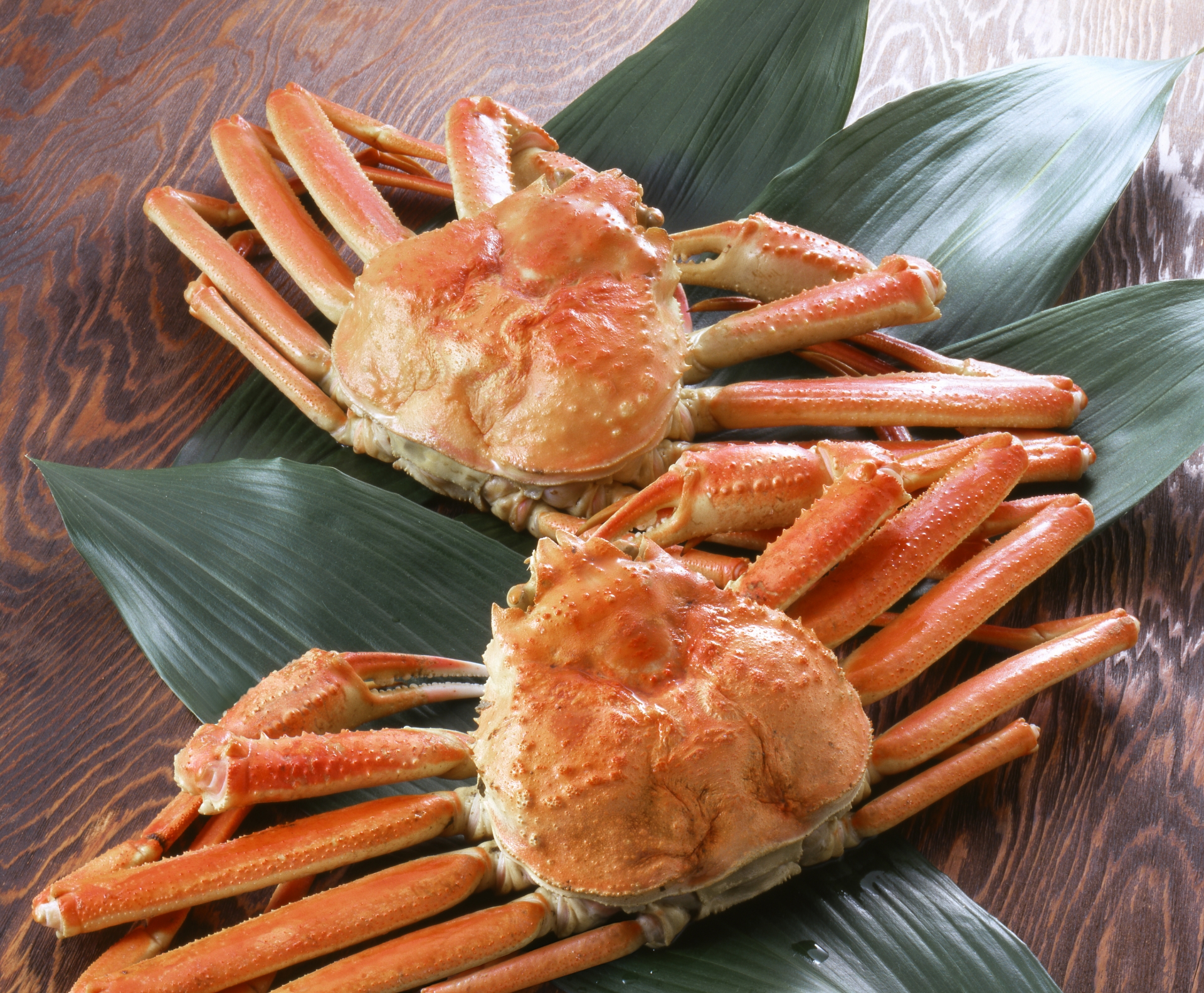
The “Shonai Kitamae Crab“, caught off the Shonai Coast in Yamagata Prefecture facing the Sea of Japan, is a rare luxury brand crab with limited distribution nationwide. Only individuals that meet strict selection criteria are certified as part of the brand, and their high quality has earned them high acclaim, especially in the Shonai region.
According to the Mainichi Shimbun (2020), the number of certified crabs in a certain year was reported as “just 39“, making it known as a highly rare brand often called the “phantom crab”.
Here, we introduce why the Shonai Kitamae Crab is recognized as a “luxury brand crab” and what standards it meets, along with ways to enjoy it.
The Background of the Birth of Shonai Kitamae Crab
The fact that snow crabs are landed in Yamagata Prefecture was not well known even locally. Addressing this lack of awareness as a challenge, in 2019, Yamagata Prefecture and the fisheries cooperative collaborated to promote branding. The fishing grounds of Shonai Coast have favorable water temperatures and habitats, allowing high-quality snow crabs to thrive, leading the prefecture to launch a full-scale PR effort.
The name “Shonai Kitamae Crab” originates from the history of the Kitamae ships that once traveled the Sea of Japan, creating a brand linked to Shonai’s marine culture.
Shonai Kitamae Crab is a “rare brand crab”
Shonai Kitamae Crab refers to a type of snow crab caught in the Shonai coast that meets several strict criteria, including: “weighing 700g or more (special selection is 1.0kg or more)“, “carapace width of 13cm or more“, “firm, well-filled meat“, and “being landed alive“. Only crabs that meet all these standards are shipped with a brand tag.
Because these standards are extremely high, the number of certified crabs each year is very limited, and they are considered a “rare brand crab” that hardly circulates outside the region.
In recent years, reports have indicated that the snow crab resources on the Shonai coast are declining, partly due to changes in the marine environment, highlighting challenges in maintaining this brand.
Even so, producers and stakeholders are steadily working to deliver the appeal of Shonai as a production area and to bring the flavors of Shonai’s winter to the whole country.
Shipping Standards, Fishing Season, and Fishing Ground Features
Shonai Kitamae Crab is selected from live snow crabs landed at the ports of Shonai Beach (Tsuruoka City and Sakata City) and tagged by the Yamagata Prefecture Fisheries Cooperative before being shipped.
The shipping period is from October to January of the following year, with the peak season in December to January. Shonai Beach is a rich fishing ground where cold and warm currents meet, providing an excellent environment for snow crab growth. As a result, the crabs are characterized by tightly packed meat, elegant sweetness, and rich flavor.
Furthermore, early reports for the 2025 season (YBC) indicate that the catch of snow crabs off the coast of Shonai is about 9 tons, exceeding the previous year, and the fishing itself is carried out steadily; however, the number of individuals meeting the brand standards remains very small.
Because the number of brand-certified crabs is so extremely low, the quantity distributed outside the prefecture is very limited, and they are recognized mainly in inns and restaurants in the Shonai area as “hard-to-get brand crabs.”
It is precisely this rarity that is a major reason why Shonai Kitamae crabs attract attention from crab enthusiasts nationwide.
Ways to Eat & Local Experiences (Steamed Crab, Miso Soup, etc.)
In Shonai, it is common to enjoy Kitamae crab as steamed crab or crab soup. Steaming prevents the flavor from escaping and maximizes the delicate sweetness of the meat.
Additionally, in local inns, you may also find grilled crab shell where the crab miso is grilled in the shell, or a “Winter Shonai Gozen” served with local sake.
Among tourists, experiences where you can taste the “Kitamae crab fresh off the boat” unique to port towns are very popular. Among high-end crabs, the biggest appeal of Shonai Kitamae crab is enjoying the sense of immediacy at the production site along with the local culture.
Points to Note When Ordering High-End Crab Online or for Delivery
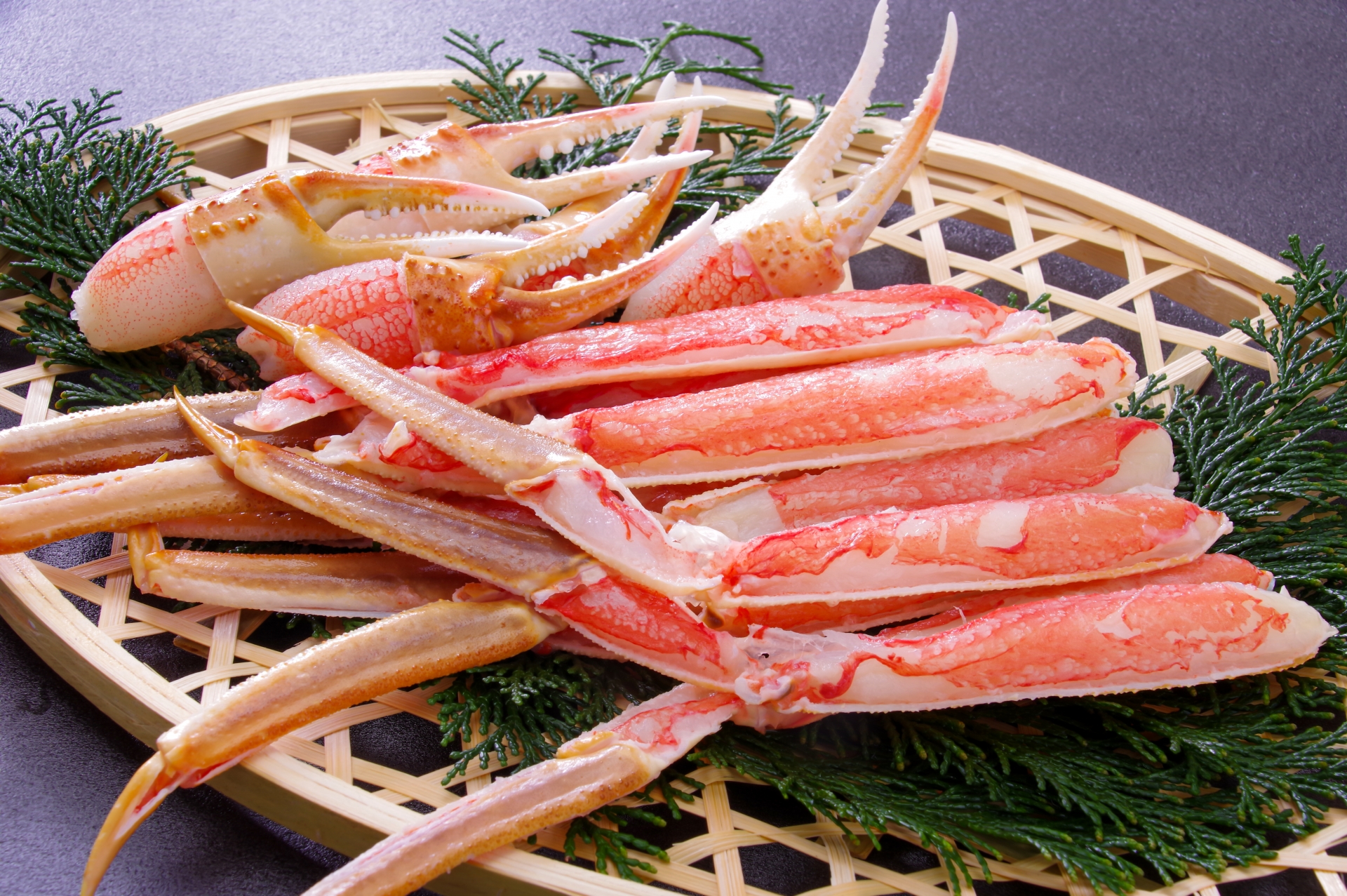
High-end crab can be easily purchased online, but if you judge solely by price or appearance, you may end up making a mistake. Since branded crabs have strict quality standards and tag management, it is important to choose a reliable seller.
Here, we will introduce points to be careful about when buying high-end crab online.
Pitfalls of Counterfeits, Bargains, and Broken Leg Crabs
You need to be cautious with online crab listings that have labels such as ‘imperfect,’ ‘super cheap,’ or ‘for business use.’
Although broken leg crabs are fine in terms of taste, they are not suitable for gifts or situations where appearance is important.
Also, since there are cases where brand names are misused for sales, be sure to check for the presence of tags and purchase through authorized sales channels.
When purchasing branded snow crabs like Shonai Kitamae Crab, it is important to always choose those with official tags and select stores that have a direct relationship with the fishing vessels or ports.
Shonai Kitamae Crab is rarely distributed outside the prefecture and is sold only through limited authorized channels such as the local fishing ports or boat owners. Therefore, when buying online, always check the reliability of the seller.
How to Check Reviews, Origin Certification, and Ratings
When using online shopping sites, make sure to check customer reviews.
Stores with a large number of detailed evaluations regarding delivery condition, meat quality, and taste tend to be more reliable.
Additionally, branded crabs may come with a tag number or a certificate of origin, which serve as important clues to prove their authenticity. When buying Shonai Kitamae crabs, it’s reassuring to check if they come with a tag.
Prioritizing Freshness: Visiting Physical Stores as an Option
If you want to taste genuine high-quality crabs, not only online shopping but also the experience of “eating on-site” is recommended. In particular, in Shonai Hama, there are accommodations and restaurants that offer Kitamae crabs delivered directly from the fishing port, allowing you to enjoy the luxury of freshly steamed or boiled crabs.
Even when purchasing online, by choosing stores that are particular about freshness, such as those offering “same-day catch and same-day shipping“, you can recreate the taste that is close to what you would experience locally at home. The taste of crab depends on its “freshness.” Following a reliable supplier and proper storage and thawing methods leads to the best experience.
Frequently Asked Questions (Q&A) About High-End Crab
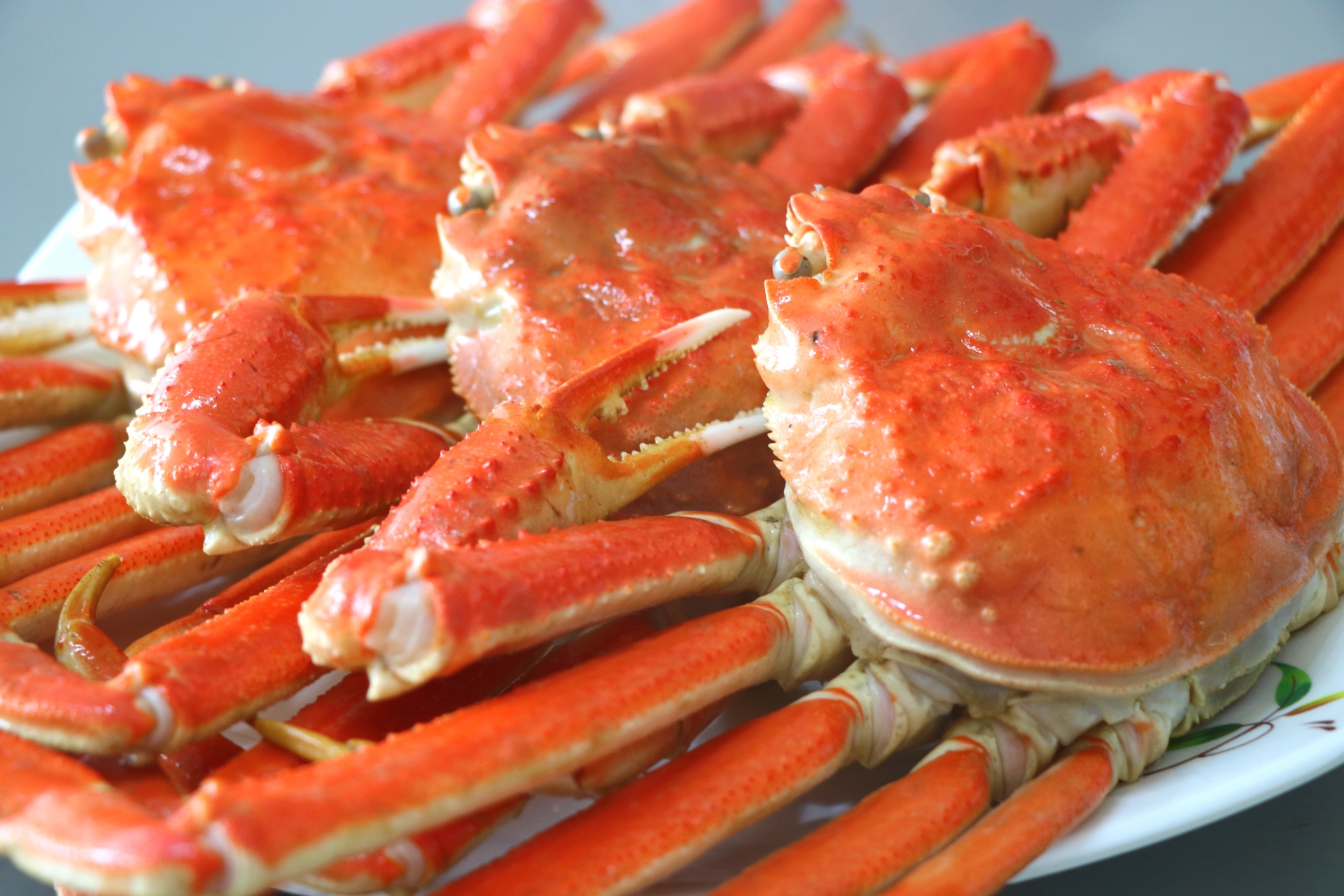
When purchasing premium crab, many questions arise that people are surprisingly unaware of, such as the price range and how to distinguish brands. Here, we have summarized key points you should know before buying and frequently asked questions about Shonai Kitamae Crab. Whether you are buying for the first time or are trying to decide on a gift, this information will be helpful.
- Q. What is the typical price range for “premium crab”?
- For high-end crabs such as snow crab or king crab, the general market price is around 8,000 to 15,000 yen per kilogram. For branded crabs (like Echizen crab or Matsuba crab), the price for one may exceed 20,000 to 40,000 yen.
Shonai Kitamae crabs are extremely rare, as only a very limited number of individuals meet the brand standards, so only a tiny amount is available on the market. They are difficult to obtain even online, and their prices fluctuate greatly depending on the year and catch volume. In particular, tagged individuals weighing around 1 kg are highly rare and tend to be traded at higher prices than regular snow crabs.Q. How do you distinguish branded crabs from non-branded crabs?
The easiest way is by checking for a “tag.” Each branded crab comes with a tag engraved with the place of origin and management number for each fishing port. Crabs without a tag are not brand-guaranteed, so there is a risk of mislabeling. It is safest to purchase from authorized retailers, fisheries cooperatives’ direct sales outlets, or certified online shops.Q. Where can you buy Shonai Kitamae crabs, and what is the price range?
Shonai Kitamae crabs are mainly sold at fisheries cooperatives’ direct sales outlets in Yamagata Prefecture (Sakata and Tsuruoka), and during the season, they may also be available at local stores and some online shops.
However, because the catch is very limited, there is little general online sales, and in reality, it is a brand of crab that is often difficult to obtain. In the sales examples that can be confirmed, the price for a tagged crab around 700g is about 20,000 to 27,000 yen, and large individuals in the 1kg class tend to be even more expensive. It should also be noted that the Shonai Kitamae Crab’s catch volume fluctuates significantly from year to year, so the market price changes depending on that year’s catch and the stock of the retailers.Summary: If you are choosing a luxury crab, first understand its value.
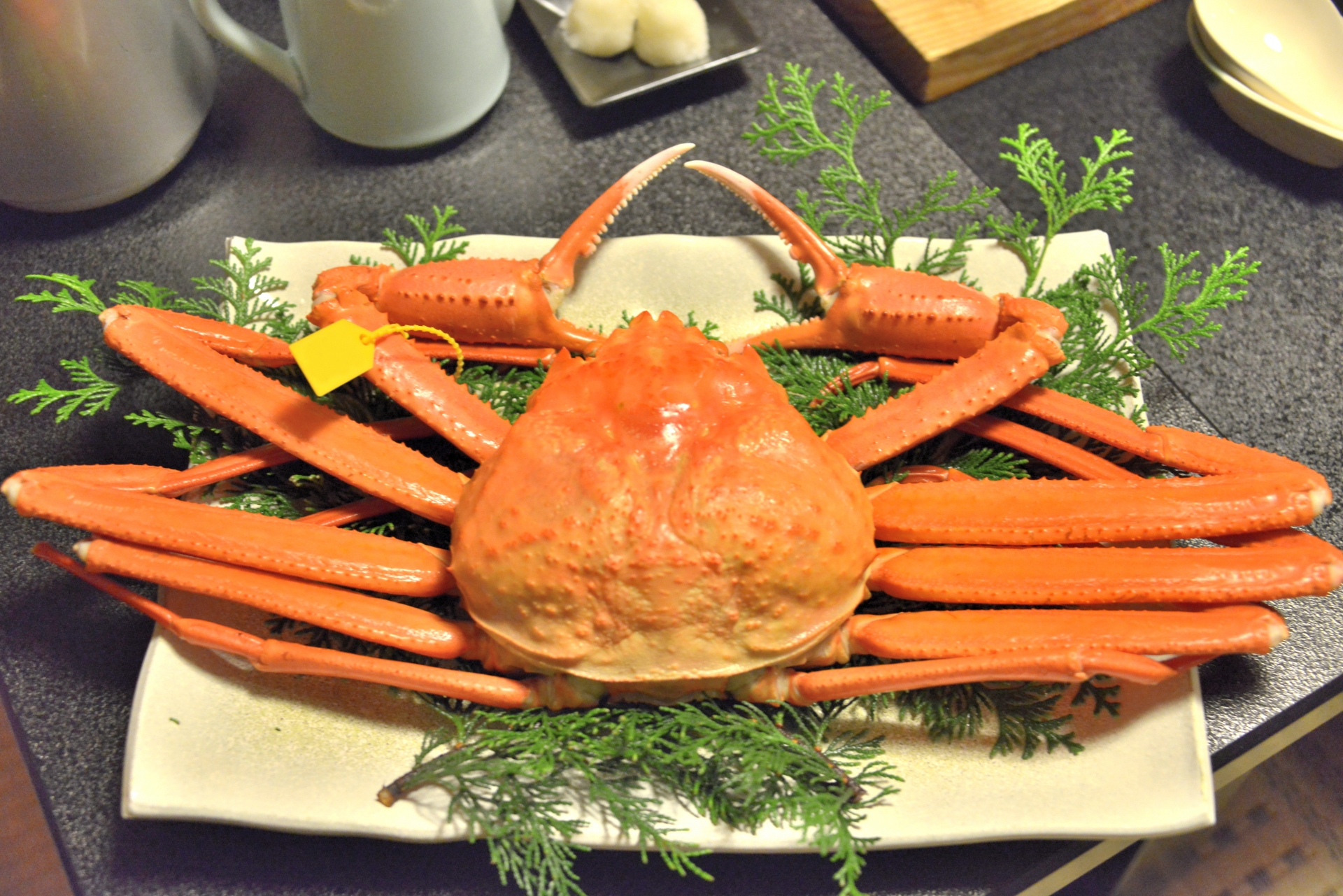
When choosing high-quality crab, it is important to understand its “value” rather than just the “price.” Brand-name crabs carry with them the characteristics of their sea environment, fishing season, selection criteria, and the expertise of skilled craftsmen. By choosing with this knowledge, it transforms from a mere ingredient into a ‘cup to be experienced.’
In particular, Shonai Kitamae Crab is a regional brand nurtured by the abundant seas of Yamagata, offering a perfect combination of taste, story, and rarity. Below, we have summarized three key points to keep in mind when purchasing high-quality crab.
- Rarity, brand value, and fishing grounds influence the taste
- If it’s for a gift, choose ‘tagged, branded premium crab’
- Consider regional brands, such as Shonai Kitamae crab
When you’re unsure about which winter delicacy to choose, first think about ‘which sea it came from and the care taken to raise it.’
A crab like the Kitamae crab from Shonai coast, filled with local pride, is truly worthy of being called a ‘premium crab.’

![[Yamagata, Tendo] Enjoy authentic gelato at the sports park! Made by Italian-trained artisans at “COZAB GELATO” アイキャッチ](https://bongheiberg.yamagata.jp/wp-content/uploads/2025/09/top-scaled.jpg)
![[Yamagata, Shonai] Kumagaya Shrine, the birthplace of Kamenoo | Learn about the life of Kumagai Saburobei, the god アイキャッチ](https://bongheiberg.yamagata.jp/wp-content/uploads/2025/09/20260223160400_74.jpg)
![[Yamagata, Murayama] Link MURAYAMA’s pizza shop “pizza nu-ma” | Delicious pizza tasting report アイキャッチ](https://bongheiberg.yamagata.jp/wp-content/uploads/2025/09/pizza-nu-ma7.png)
![[Yamagata・Shonai Town] A blissful moment in the stylish space of the town bath | Shonai Town Gallery Onsen アイキャッチ](https://bongheiberg.yamagata.jp/wp-content/uploads/2025/09/machiyu_top-3.jpg)