

Complete Guide to Sea of Japan Crabs: Explanation of Types, Seasons, and Brand Differences
2025/11/21 This site contains advertisements. Category: crab

The Sea of Japan is home to some of the highest-quality crabs in Japan, including snow crabs and red snow crabs. From historically renowned brand crabs such as Echizen crab, Matsuba crab, and Kanou crab to unique regional varieties, the flavors, peak seasons, sizes, and fishing grounds differ by locality, which is one of the Sea of Japan’s distinct attractions.
This article provides a clear overview of the main types of crabs caught in the Sea of Japan, the differences between each brand, their peak seasons, flavor characteristics, and tips for selecting them at home. Additionally, we introduce the newly established local brand “Shonai Kitamae Crab” (Yamagata Prefecture) along the Sea of Japan coast as one of the Sea of Japan’s brand crabs.
This guide is for those who want to learn more about crabs from the Sea of Japan or understand the differences between brands to make informed choices, offering a comprehensive look at the crab culture of the Sea of Japan.
Main Types of Crabs Caught in the Sea of Japan
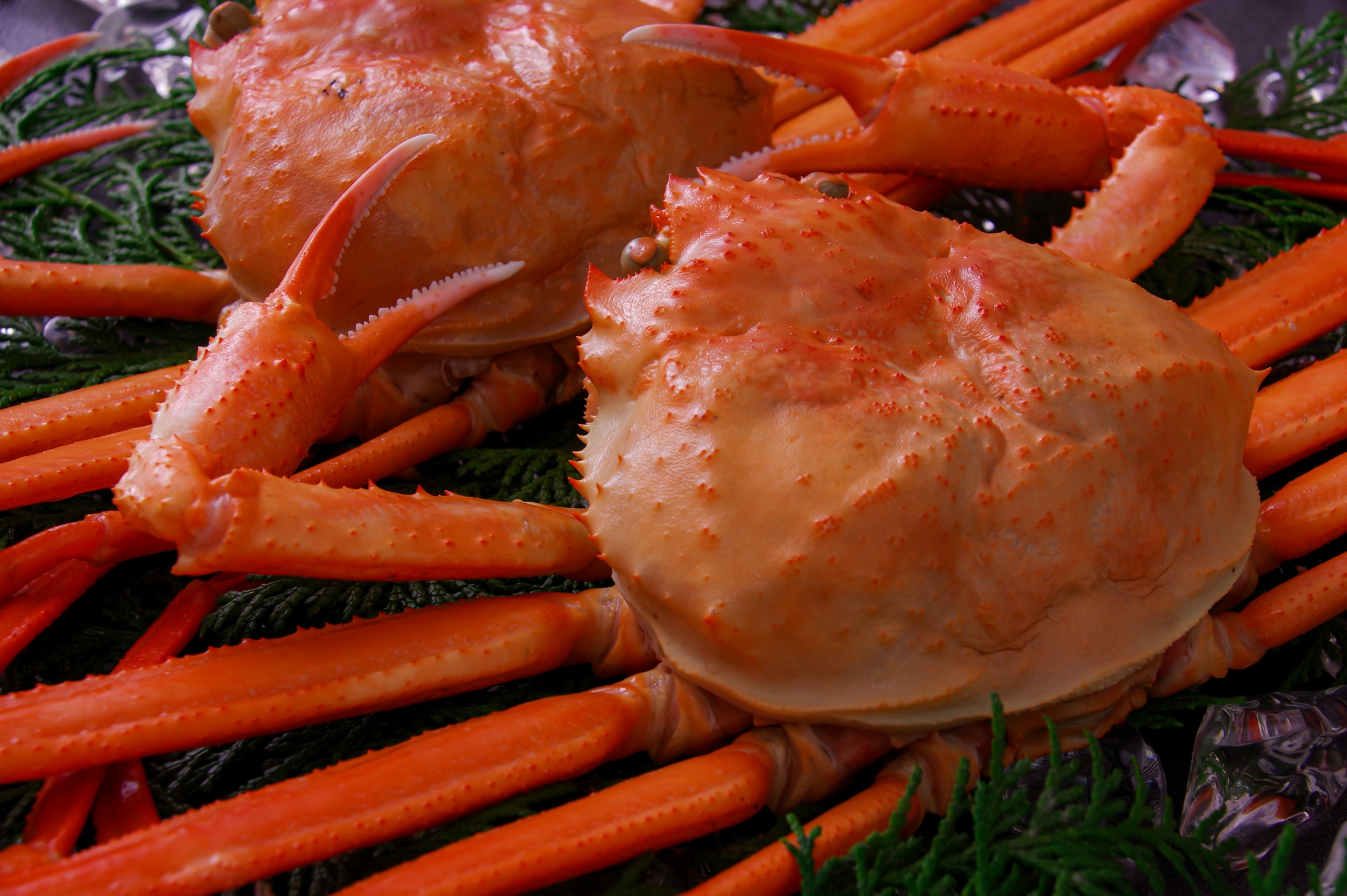
The Sea of Japan is one of the country’s leading crab fishing grounds, blessed with cold currents and a rich nutrient environment. In winter, the flavor of the sea intensifies, and firm, delicious crabs are caught in many areas. Here, we will introduce the types of crabs typically caught in the Sea of Japan and their characteristics.
Snow Crab: The Winter King Representing the Sea of Japan
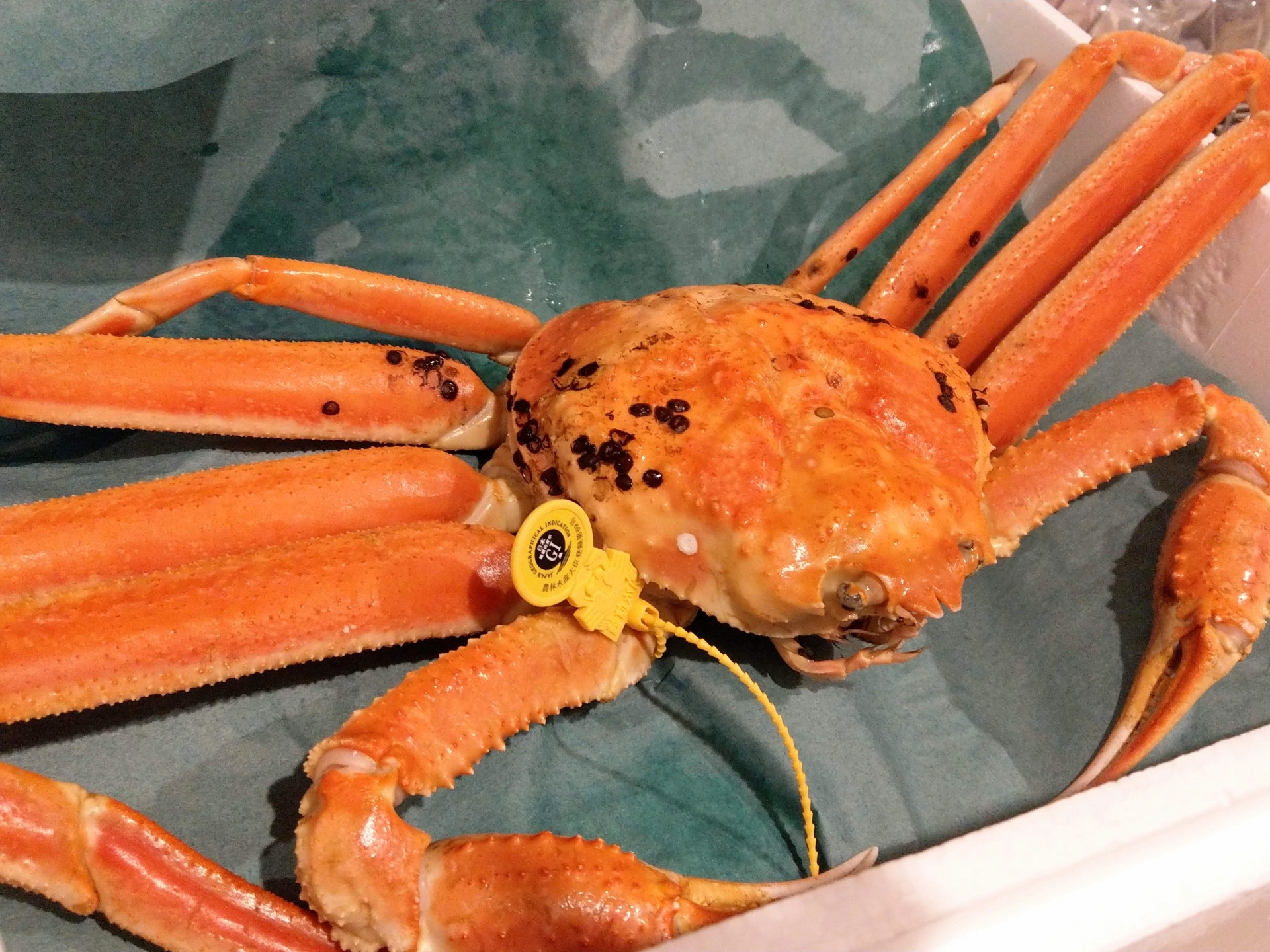
The snow crab is indispensable when talking about winter in the Sea of Japan. It is characterized by its long, slender legs and delicate sweetness, and its flavor can be enjoyed whether eaten raw as sashimi, boiled, or grilled.
Along the Sea of Japan coast, brands have developed regionally, such as Fukui’s “Echizen Crab,” Tottori and Hyogo’s “Matsuba Crab,” Ishikawa’s “Kanou Crab,” and Yamagata’s “Shonai Kitamae Crab.” The differences in flavor depending on the place of origin is also one of the interesting aspects of the snow crab.
Red Snow Crab: A Sweet Crab from the Deep Sea
Red snow crab lives at deeper waters than snow crabs, and is characterized by its bright red shell and soft sweetness. It is commonly caught along the coasts of Niigata, Toyama, and Ishikawa, and is affectionately known locally as “Benizuwai.”
Since freshness greatly affects its taste, red snow crabs eaten near the port are especially sweet. They are also relatively affordable, making them a popular choice for home use.
Sekogani (Parent Crab): Enjoying the Short Season of Winter Delicacies from the Sea of Japan
Sekogani is the female snow crab, a winter delicacy available only during a short fishing season. Depending on the region, it is known by different names such as “Kobako-gani” or “Koppe-gani,” and it is prized for its rich internal roe, popping external roe, and strongly flavored crab miso.
Although the meat is small, its umami is concentrated, and when made into miso soup or grilled in its shell, it releases a rich aroma.
Since the fishing season is limited to November through January in many areas, this is a crab you definitely want to try when you find it.
The Appeal and Characteristics of Sea Urchins from the Sea of Japan

The Sea of Japan in winter is truly a place known as the “holy land of crabs.” Crabs that grow up in the harsh cold and rough waves develop firm flesh, with sweetness and umami concentrated in every bite. Along the coast of the Sea of Japan in particular, high-quality crabs such as snow crabs and red snow crabs are often caught, and they are cherished as unique local brands in each region.
Here, we will clearly explain how the unique natural conditions of the Sea of Japan shape the flavor of crabs.
Harsh Seas Cultivate Flavor and Firmness
The Sea of Japan is a region where the Tsushima Warm Current and the Liman Cold Current mix. This circulation of seawater provides an abundance of minerals, and the cold winter tides tighten the crab meat. Furthermore, being tossed by rough waves makes the meat muscular, giving it a firm, distinctive texture.
Moreover, in winter, the Sea of Japan has consistently low water temperatures, which is also the season when the umami components of crabs (amino acids and glycine) increase. As a result, the sweetness is more pronounced in sashimi and boiled crab, and a rich umami can be enjoyed in grilled crab and hot pot dishes as well.
These natural conditions are what create the distinct rich flavor of the Sea of Japan and the deep richness of crab miso.
The fishing grounds are close to the coast, making it easier to maintain freshness
The Sea of Japan is characterized by its steep underwater terrain, and excellent fishing grounds extend close to the ports. Because crabs can be transported to the port shortly after being caught, their freshness is well preserved, allowing them to be shipped in outstanding condition, which is a major advantage.
Coastal areas such as Fukui, Tottori, Ishikawa, Niigata, and Yamagata are called “famous crab-producing regions” because they have an “ideal environment” that combines natural conditions + ease of maintaining freshness.
In fact, in a survey on this site, many people commented that, “I have a strong image of Echizen crab and Matsuba crab,” and “I can’t forget the taste of the crab I ate while traveling,” showing that the deliciousness of crabs is strongly associated with the Sea of Japan.
In other words, the Sea of Japan is a marine area where the flow of natural environment → high-quality fishing grounds → freshness → branding easily emerges, and these conditions are deeply related to the emergence of many regional brand crabs.
Overview of Sea of Japan Brand Crabs
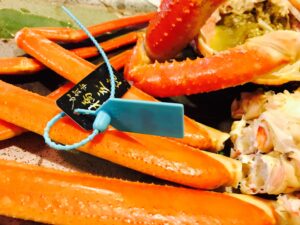
Along the coast of the Sea of Japan, there are many branded crabs with unique standards established in each region. All of them focus on snow crabs, and differences in natural conditions such as fishing grounds, water temperature, and terrain create distinctive flavors and textures, which have developed into local culinary cultures.
Branded crabs feature clear quality standards due to a tag system established at each fishing port, making it easy to choose them with confidence. In recent years, new branded crabs have also emerged, such as Yamagata Prefecture’s Shonai Kitamae Crab, which is based on the local marine environment and history, further enhancing the appeal of the Sea of Japan as a whole.
All branded crabs may look the same, but in reality, there are clear differences depending on their place of origin. Here, we will outline the characteristics of Japan Sea branded crabs and explain how regional differences in taste have emerged.
Different “Brand Standards” and Unique Flavors by Region
The premium crabs of the Sea of Japan are guaranteed for quality through strict standards set independently by each prefecture and fishing port. Even with the same snow crab, the environment of the fishing area and the rules for selection differ, which gives rise to unique flavors, aromas, and meat quality—a major characteristic.
The criteria for branding include the following items:
- Depth of the fishing area
- Meat content
- Size regulations
- Post-catch handling
- Methods of freshness management
Only individuals that meet the standards set for each brand of crab are distributed as brand crabs. Through these efforts, there are brand crabs with rich regional characteristics like Nichiji.
The Role and History of the “Tag System” That Supports the Trust in Brand Crabs
The tag system, essential to brand crabs, was introduced to certify that each brand crab was “caught at authorized fishing ports.” The prototype of this system can be found in Echizen Crab from Fukui Prefecture, where the practice of attaching a “yellow tag” before shipping began as a means to maintain brand value and ensure quality.
At that time, there was not a sufficient clear system to prevent mislabeling of origin or fraudulent labeling, raising issues such as:
– “Is this really Echizen crab?”
– “It cannot be distinguished from snow crabs from other regions.”
In response, Fukui Prefecture took the lead in introducing origin certification through tags, establishing a clear system of ‘The prefecture guarantees the quality of Echizen crab.’ This initiative spread nationwide, and today, each region uses tags with unique colors and shapes to manage standards for each brand.
The current tag system serves the following purposes:
- You can immediately identify which fishing port the catch came from
- Only individuals that meet the specified size and flesh content standards are shipped
- Consumers can purchase the “real thing” with confidence
- Prevents mislabeling of origin and protects brand value
- Enhances the credibility of local fisheries
The tagging system not only enhances quality control but also greatly contributes to building trust as a regional brand. In recent years, in particular, it has spread nationwide as a mechanism to increase market value through unified brand management by fishery cooperatives, local governments, and regional organizations.
By understanding the mechanism of the tagging system, it becomes easier to recognize the differences between brand crabs from various regions. The table below summarizes the characteristics of representative brand crabs along the Sea of Japan.
■ List of Representative Brand Crabs in the Sea of Japan (Comparison of Tag Colors and Characteristics)
| Brand Name | Origin | Tag Color | Features |
|---|---|---|---|
| Echizen Crab | Fukui Prefecture | Yellow | Renowned for its rich flavor and firm meat. A top brand with a history of being presented to the Imperial family. |
| Matsuba Crab | Tottori Prefecture / Hyogo Prefecture | Green (varies by fishing port) | Characterized by refined sweetness and aroma. Detailed regional standards are reflected. |
| Kano Crab | Ishikawa Prefecture | Blue | Well-balanced flavor, gaining popularity in recent years. |
| Shonai Kitamae Crab | Yamagata Prefecture | Black with white edges | Newly emerging brand. Notable for firm meat and rich flavor typical of cold current areas. |
| Taiza Crab | Tango Town, Kyoto Prefecture | Red | Fishing grounds near the port ensure exceptional freshness. A rare brand with low catch volume. |
Even with the same snow crab, the conditions required vary by brand, resulting in differences in taste and meat quality. By understanding the background of each brand, it becomes easier to grasp how the “individual characteristics” appear based on origin and standards, making the selection process more enjoyable.
Reasons for “Taste Differences” by Region
The reason for taste differences in branded crabs from the Sea of Japan lies in the marine conditions (ocean environment) of each region. Water temperature, tidal currents, and seabed topography vary slightly from one production area to another, and these differences affect the muscle texture, fat content, and richness of crab paste.
For example, around Fukui, there are stable and deep waters, and the cold temperatures create an environment where the flesh tends to firm up.
Meanwhile, the San’in region has areas with strong rough waves, which makes the crabs more active and results in meat that tends to be muscular.
On the other hand, off the coast of Ishikawa, the water temperature is relatively stable, creating an environment said to enhance sweetness.
In this way, although the Sea of Japan is one large fishing ground, the natural conditions vary by region, giving rise to unique characteristics for each brand such as aroma, sweetness, texture, and the richness of crab miso.
The fun of comparing different brand crabs lies in being able to sense these subtle differences depending on their place of origin.
Why Japan Sea Brand Crabs Continue to Be Highly Rated
The reason why crabs from the Sea of Japan have been highly regarded for many years is due to their freshness and consistent quality.
The coastline of the Sea of Japan often features steep and deep terrain, which means high-quality fishing grounds are close to shore, allowing caught crabs to be brought back to port in a short amount of time. This environment is the main reason crabs can be distributed without compromising their firmness, sweetness, and flavor.
Additionally, each region sets its own quality standards for branded crabs, and only individuals that meet criteria such as weight, carapace width, meat content, and freshness are shipped as tagged, official products. These standards build trust as a “brand you can buy with confidence” and support the brand value in each region.
Furthermore, branding goes beyond mere quality assurance and also contributes to fisheries resource management, regional development, and the preservation of food culture. In recent years, new brands have emerged, such as Yamagata Prefecture’s Shonai Kitamae Crab, further enhancing the appeal and diversity of the entire Japan Sea brand.
These regional efforts, combined with the strengths of the natural environment, continue to make Japan Sea brand crabs a popular choice for many people.
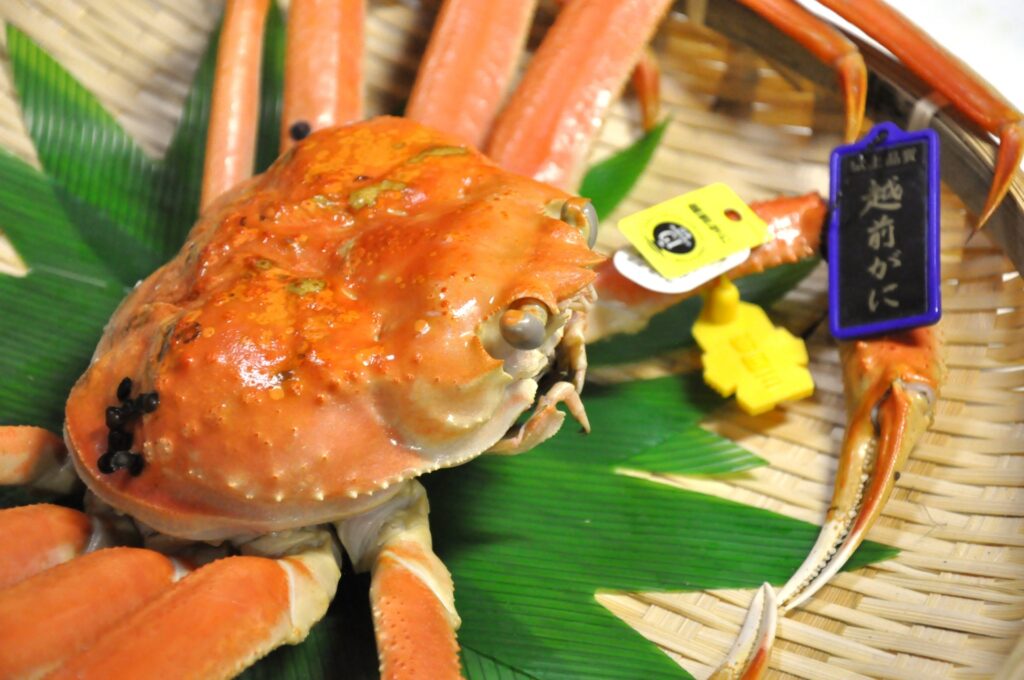

一年の締めくくりに、本場越前のあじわいを。
年末年始に家族みんなで囲むなら、人数に合わせて選べる越前ガニが便利。
大きめサイズで豪華に楽しむもよし、少量を贅沢に味わうもよし。
本場の旨みたっぷりのタグ付き越前ガニで、食卓に冬の幸せを。
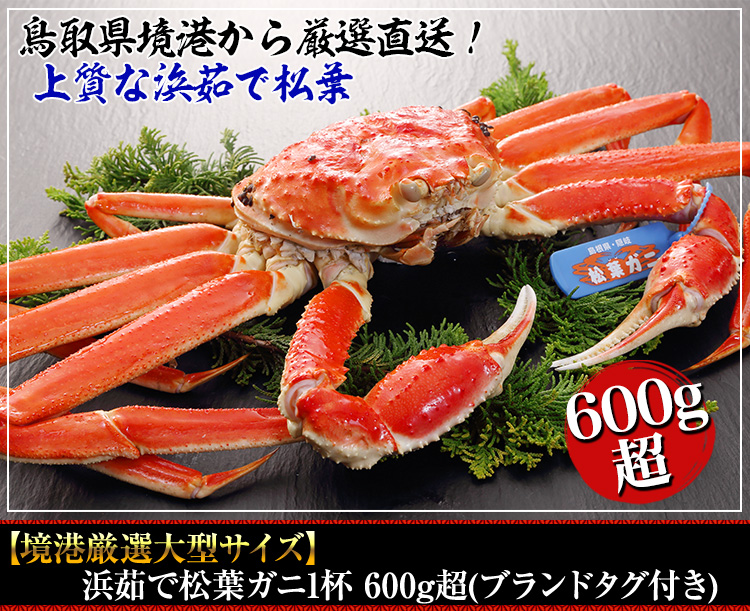
一年のご褒美に、境港の極上松葉ガニを。
迫力の 600g超。身入りの良さにこだわった厳選品だけをお届け。
カニ好きも唸る濃厚な旨みは、年に一度の特別な食卓にふさわしい味わい。
家族や大切な人とゆっくり味わう、冬の贅沢にどうぞ。

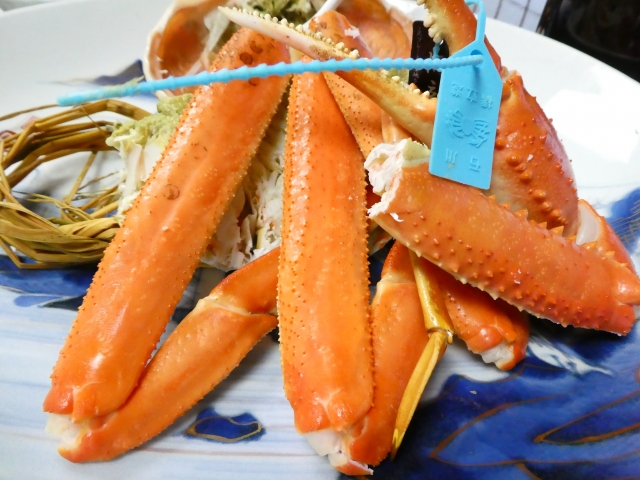

冬の食卓が華やぐ、石川のブランド蟹。
青いタグが目印の加能ガニは、身の甘さと上品な旨みが魅力の石川県ブランド蟹。
楽天市場なら、用途に合った一杯を選びやすく、贈り物にも最適です。

山形の冬を代表する、庄内北前ガニの旨みを。
庄内北前ガニは、庄内浜で水揚げされたベニズワイガニの中でも、鮮度や品質の基準を満たした「認証ブランド」。
身はしっとり甘く、旨みが濃いのが特長です。庄内の冬を象徴する味わいを、ご家庭で気軽に楽しめます。

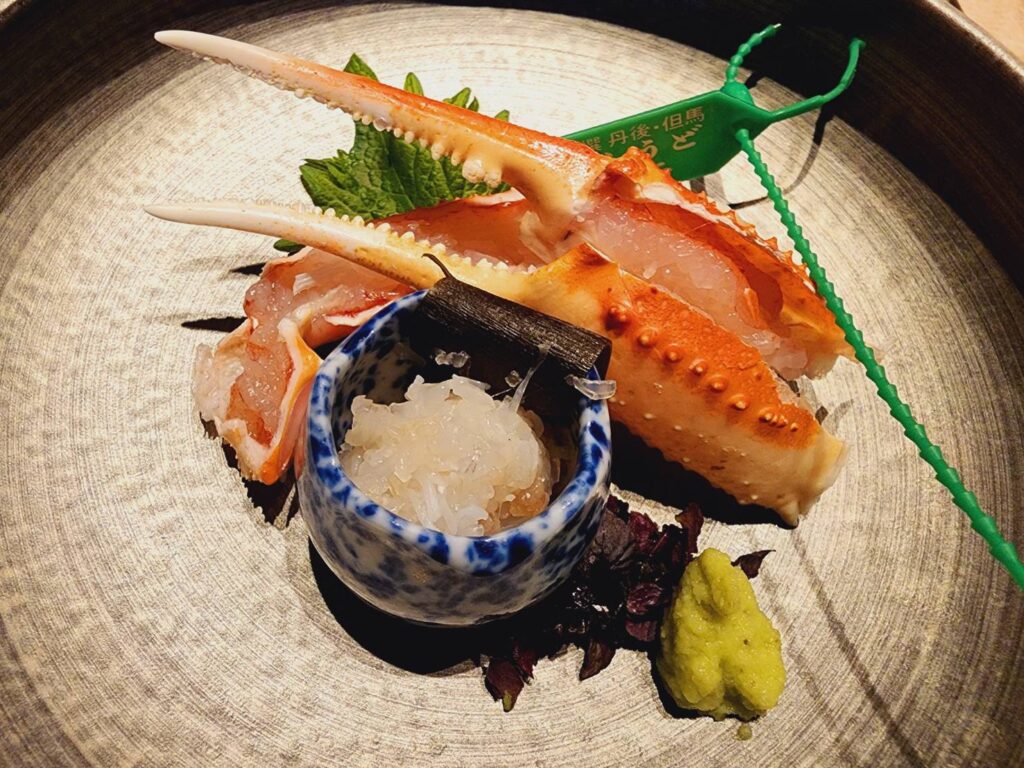

希少な間人ガニを、特別な日のために。
ごく限られた本数しか出回らない間人ガニは、贈り物にも選ばれる「究極の冬の味覚」。
家族の団らんや特別な日の料理に、濃厚な旨みと繊細な甘さ が忘れられないひとときを届けてくれます。
Enjoy Sea of Japan Crab via Online Shopping and Mail Order
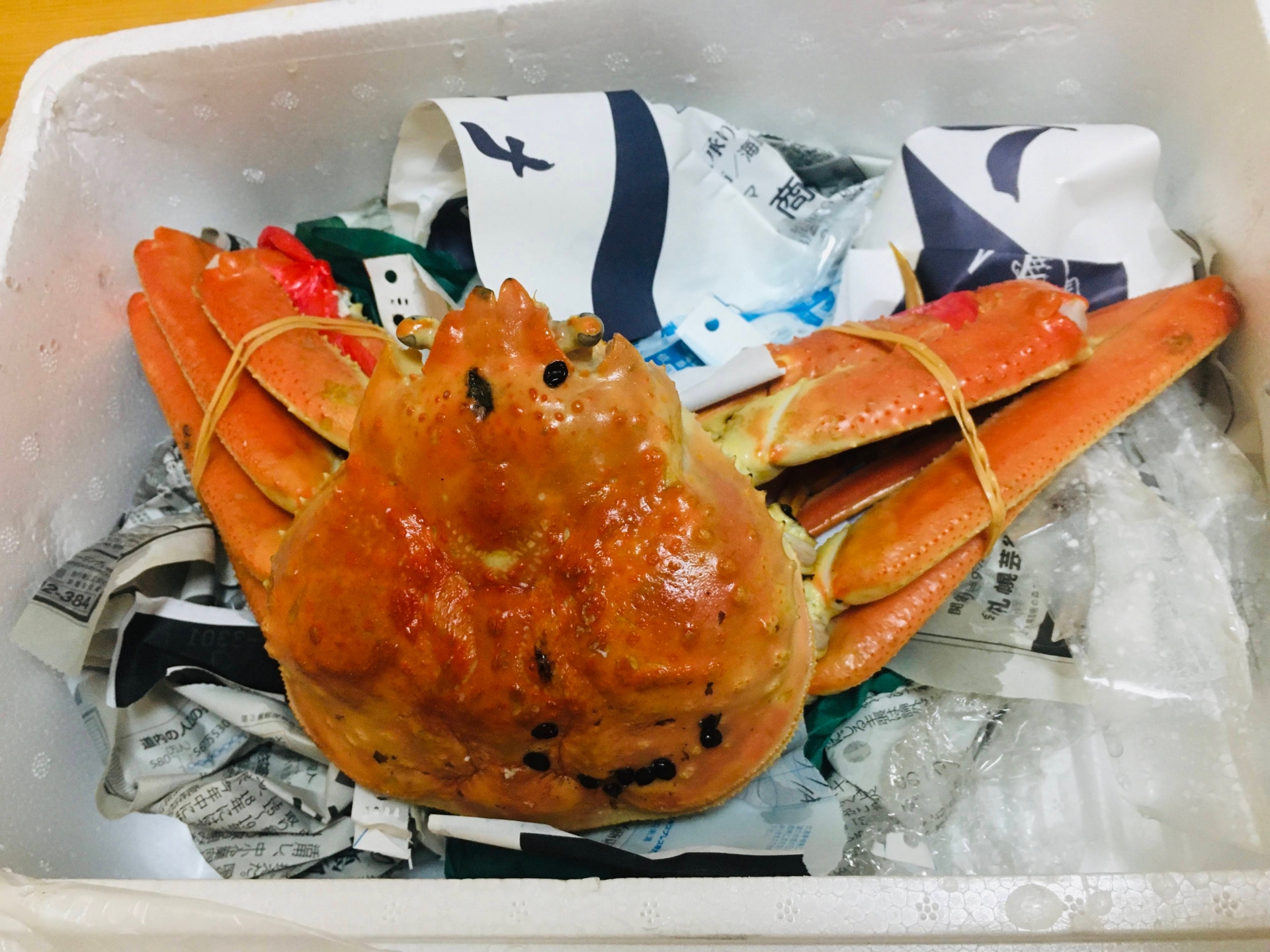
In recent years, more people have been enjoying crabs from the Sea of Japan at home. Especially during the New Year and other celebratory seasons, many people order brand-name crabs directly from the production areas to create a luxurious dining experience, and demand is rapidly increasing. However, when choosing via online shopping, it is important to understand the key points for identifying genuine products.
Here, we will introduce a way to choose without making mistakes.
Choosing Tagged Brand Crabs is the Most Reliable
When buying crabs online, the basic rule is to first choose tagged brand crabs.
The tag is proof attached to individuals that meet certain origin and quality standards, allowing you to see at a glance “where they were caught and which standards they meet.”
It’s especially reassuring to check the following points.
- Matching of tag color and place of origin
- Clear indication of the fishing port and fishing cooperative name
- Explanation of standards (size, meat content)
- Whether the reason for ‘imperfect’ products is clear
Brand crabs are generally more expensive than regular snow crabs, but their quality is consistent, making them suitable for first-time online buyers.
Choose “Boiled” or “Raw” According to Your Needs
Online stores mainly sell boiled and raw (frozen) crabs.
Choosing based on how you plan to use them can help you avoid mistakes.
● Boiled Snow Crab
The easiest to handle and can be eaten as is after thawing.
Suitable for first-time purchases or as a gift.
● Raw Snow Crab (Frozen)
Perfect for shabu-shabu, grilled crab, or hot pot.
The flavor changes depending on how it is cooked, so it is suitable for those experienced in cooking.
● Red Snow Crab
It has a lot of sweetness and moisture, and is most delicious when freshly boiled. When ordering online, choosing “frozen immediately after processing” helps preserve its flavor.
Check the “meatiness” more than the “taste” in reviews
Since crab reviews for online orders tend to be subjective, focus more on descriptions of “meatiness”, “freshness”, and “condition after thawing” rather than taste evaluations.
- Was sparse / packed tightly
- No drip came out
- Had little fishy smell
- Matched the photo
These tend to be objective indicators of quality and increase the likelihood of avoiding failure.
Common Problems in Online Shopping and How to Avoid Them
In online shopping, it can be difficult to grasp the appearance and size of crabs, which can lead to the following kinds of problems.
● Smaller than expected → Check the weight display (be careful if the shell is included or if there are broken legs mixed in)
● Less meat → Depends on the season and individual differences. Choose a production area with brand standards
● Watery → The thawing method may be the cause. Always “thaw slowly”
Carefully check the shop description before making a purchase, and if anything is unclear, just ask questions—this can greatly reduce trouble.
Summary: Sea of Japan crabs are worth choosing for “taste, environment, and culture”
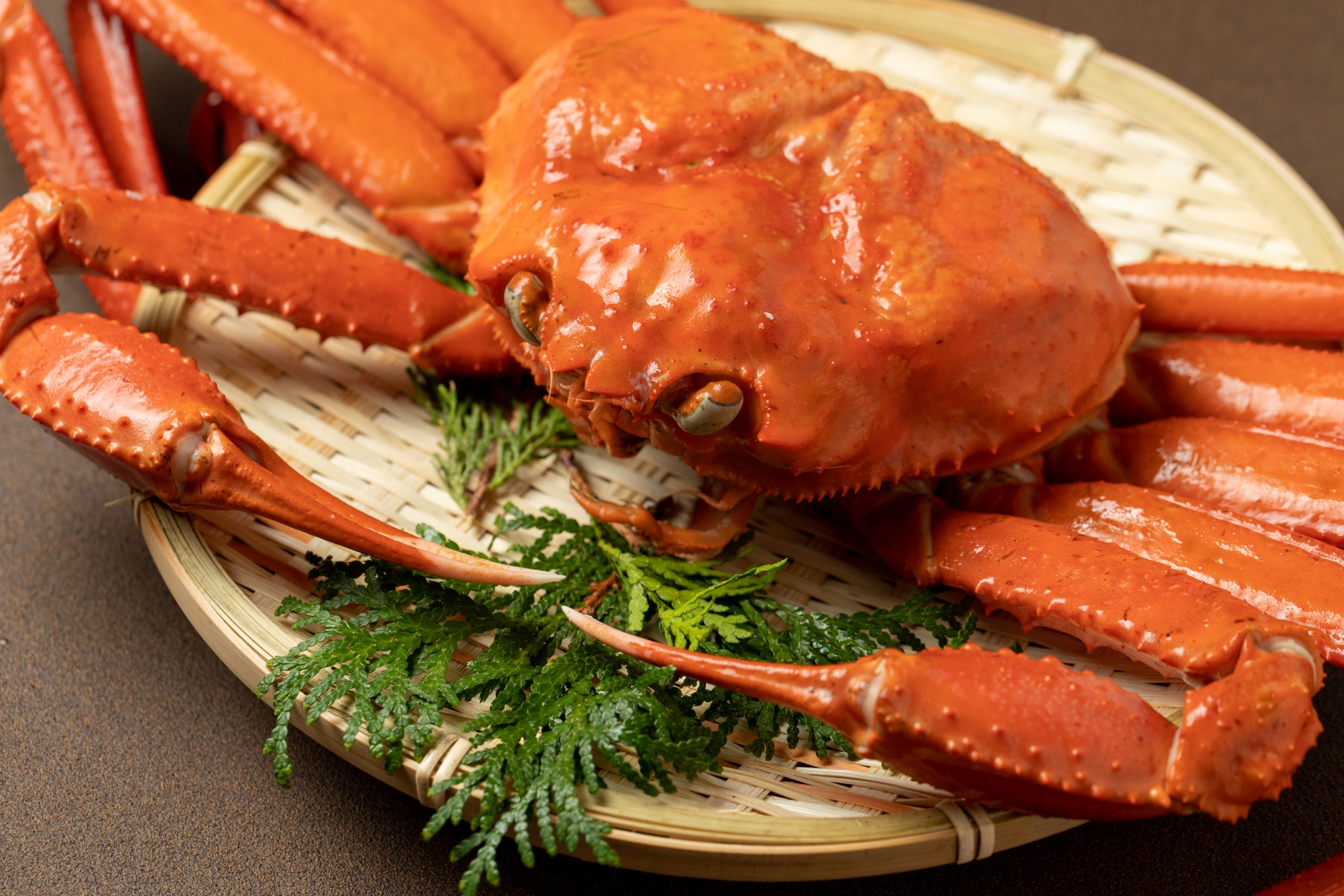
The crabs from the Sea of Japan are not just delicious. The natural environment nurtured by deep seas and rough waves, the dedication specific to each region, and the culture that protects the brand all come together to bring a special flavor to your table.
Not only are there differences in types, such as snow crab and red snow crab, but the flavor also varies by region, such as Fukui, Tottori, Ishikawa, and Yamagata, which is part of the charm of crabs from the Sea of Japan. Understanding these characteristics when making a choice can greatly enhance your satisfaction when ordering online or traveling.
When choosing online, using brand-name crabs with tags as a standard ensures stable quality and fewer mistakes. Additionally, selecting “boiled” or “raw” according to your intended use allows you to enjoy them even more deliciously.
Crab culture has been established in the Sea of Japan since ancient times, and regional brands continue to grow even today. By learning about the rich food culture born from tradition and the environment, the time spent enjoying crab becomes even more special.
For those who are unsure which to choose, please refer to this article to find your preferred production area or brand. Surely, you will be able to experience the profound charm of the Sea of Japan.
![[Yamagata, Tendo] Enjoy authentic gelato at the sports park! Made by Italian-trained artisans at “COZAB GELATO” アイキャッチ](https://bongheiberg.yamagata.jp/wp-content/uploads/2025/09/top-scaled.jpg)
![[Yamagata, Shonai] Kumagaya Shrine, the birthplace of Kamenoo | Learn about the life of Kumagai Saburobei, the god アイキャッチ](https://bongheiberg.yamagata.jp/wp-content/uploads/2025/09/20260223160400_74.jpg)
![[Yamagata, Murayama] Link MURAYAMA’s pizza shop “pizza nu-ma” | Delicious pizza tasting report アイキャッチ](https://bongheiberg.yamagata.jp/wp-content/uploads/2025/09/pizza-nu-ma7.png)
![[Yamagata・Shonai Town] A blissful moment in the stylish space of the town bath | Shonai Town Gallery Onsen アイキャッチ](https://bongheiberg.yamagata.jp/wp-content/uploads/2025/09/machiyu_top-3.jpg)