[Yamagata, Nanyo City] The Matchmaking God ‘Kumano Taisha’|If You Spot a Rabbit, Your Wish Comes True? Popular Power Spot Visit Report
2026/05/25 This site contains advertisements. Category: visit to a shrine or temple

Kumano Taisha in Nanyo City, Yamagata Prefecture, is a historic shrine known as a deity of matchmaking. Often called the “Ise of Tohoku,” it is one of the region’s most powerful spiritual spots, attracting many visitors. Within the shrine grounds, there is a legend that finding the “Three Rabbits” will grant your wishes, making it a popular sightseeing destination as well. In this article, I share my firsthand visit to Kumano Taisha, along with detailed photos and highlights of what to see and how to worship.
What Kind of Shrine Is Kumano Taisha?

Kumano Taisha is a venerable shrine with over 1,200 years of history, often referred to as the “Ise of Tohoku.”
The deity enshrined here, Kumano Okami, is also known by the names Izanagi-no-Mikoto and Izanami-no-Mikoto. The shared word “Izana” comes from “izanau,” meaning “to invite,” and symbolizes the bond of love between man and woman. As Japan’s first married deities, they are worshipped as gods of matchmaking and harmonious relationships, drawing many visitors seeking love and good connections.
Surrounded by nature, the peaceful shrine grounds are also beloved as a spiritual place where visitors can calm their hearts and pray.
How to Explore Kumano Taisha

There are as many as 30 deities enshrined within the grounds of Kumano Taisha. In addition to the main hall, you’ll find gods of business prosperity, traffic safety, and more. Your route will differ depending on your purpose for visiting. Here are the most common ways to explore the shrine.
Route for Matchmaking Blessings
Since Kumano Taisha is famous for matchmaking, many visitors come specifically for love-related prayers. Here is the recommended route for those seeking good relationships.
- Kumano Taisha Worship Hall
- Before visiting each smaller shrine, begin by praying at the worship hall.
- Behind the Main Hall – The Three Rabbits
- Pray behind the main hall.
*This area is a special place where visitors can approach close to the deity. - Main Hall
- Pray in front of the main hall, the most sacred place of Kumano Taisha.
*Only priests may enter the main hall. Visitors pray outside, in front of the hall. - Shirakami Shrine
- After the main hall, visit Shirakami Shrine, where Kukurihime-no-Kami is enshrined—a nationally known goddess of matchmaking.
Route for Good Fortune and Luck
If your goal is simply to boost your luck, follow this order:
- Main Hall of Kumano Taisha
- Behind the Main Hall – The Three Rabbits
Search for the Three Rabbits and pray for good fortune. - Kotei Shrine
Dedicated to Amaterasu Omikami, the ancestral deity of the Imperial Family. Pray with gratitude. - Itsukushima Shrine
Enshrining Ichikishimahime-no-Mikoto, a goddess who protects against water-related disasters.
Also known as Benzaiten, she governs wealth, music, arts, and performance—many pray here for artistic talent and creative success.
Route for Health
If health is your priority, follow this route:
- Main Hall of Kumano Taisha
- Behind the Main Hall – The Three Rabbits
Search for the rabbits and pray for your health. - Yudonosan Shrine
Enshrining deities associated with medicine and healing. Pray for recovery from illness or injury. - Water Shrine
Dedicated to the god of water. Water symbolizes purification and the creation of new life.
What Are Kumano Taisha’s “Three Rabbits”?
Hidden carvings of three rabbits can be found behind the main hall. It is said that finding all three will grant your wishes. Here’s why this legend exists.
Why Do They Grant Wishes?
The exact origin is unclear, but long ago, someone who found all three rabbits prayed for love and happiness—and their wish came true. From there, the belief spread that “finding the rabbits brings good fortune.”
Why Three Rabbits?
There is no definitive record, but several strong theories exist.
1. Rabbits Are Lucky Animals
- They jump → Symbol of rising fortune
- They have many offspring → Prosperity and family harmony
- They symbolize the moon → Sacred animals
2. Kumano Taisha Is a Matchmaking Shrine
- Good relationships
- Romantic success
- Marital harmony
Rabbits became symbolic of attracting good relationships.
2. The Approach Path (Sandō)
After purifying your hands and mouth at the chozuya, proceed toward the worship hall and the main hall.
Meaning of the Word “Sandō”
- 参(san / mairu)
To visit or worship the deity - 道(dō / michi)
A pathway
In other words, the sandō is “the path used to visit the deity.” There are a few manners to follow when walking along the sandō:
- Bow once before passing through the torii
Before entering the sacred path, make a light bow in front of the torii gate. - Do not walk in the center
*The center of the sandō is called “seichū,” believed to be the path of the deity.
Visitors should walk along the sides. - Walk quietly
*Because the sandō is a sacred space, avoid loud voices or running. - Bow again when leaving
After exiting the torii on your way out, turn around and bow once more.

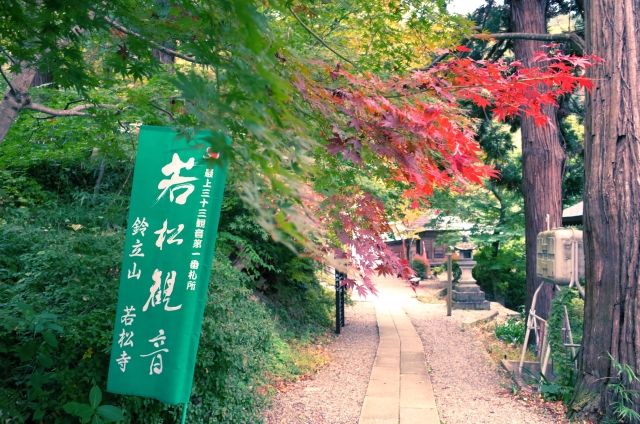
The photo above shows the sandō from a lower viewpoint. Many visitors and tourists enjoy taking photos here. On sunny days, sunlight filtering through the trees creates a beautiful scene—perfect for photography. Be sure to pause for a moment before worshipping and take in the view.
3. Worship Etiquette — “Two Bows, Two Claps, One Bow”
After walking along the sandō and arriving at the worship hall, you will perform hairei (worship).
Hairei refers to the act of bowing and praying toward the deity. A deep bow is called “hai,” and clapping the hands is called “hakushu.” Both are traditional forms of worship.
You may have heard the phrase “two bows, two claps, one bow.” This is the standard etiquette used when worshipping at a shrine.
Although it is commonly said as “二礼二拍手一礼,” the formal Shinto expression is
“二拝二拍手一拝”.
- Stand before the deity, straighten your posture, and make a light bow.
- Place your offering gently into the offering box.
*Do not throw coins; place them quietly. - Ring the bell softly.
- From an upright posture, bend deeply to a 90-degree bow twice. (Two bows)
- Open your hands to shoulder width and clap twice. (Two claps)
- Offer your prayer.
- Finish with one final deep bow. (One bow)
When standing before the deity, worship with a heart full of gratitude.
Omamori and Goshuin at Kumano Taisha
Kumano Taisha offers a variety of omamori (charms) and several types of goshuin (temple stamps). Here are some recommended items.
“Yui Usagi” Charm — 500 yen (includes omikuji)

Rabbits often appear in Japanese mythology as messengers of good relationships. At Kumano Taisha, three hidden rabbits are carved behind the main hall, symbolizing good fortune and strong bonds.
This rabbit ornament is inspired by those carvings. Each one is handmade, so the facial expressions differ—choose your favorite rabbit!
Yoneori Goshuin Book — 2,300 yen (includes inscription)
This goshuin book is made using “Yoneori Komon,” a traditional textile from Yonezawa, the northernmost weaving region in Japan. “Yoneori” refers to Yonezawa weaving, known for its fine patterns. Komon is a type of kimono featuring small repeating patterns, often worn as casual or stylish attire.
The goshuin book features traditional Japanese motifs woven with Yoneori techniques, available in four patterns: hemp leaf, weight symbol, shippo (seven treasures), and dotted beans.
Goshuin
Kumano Taisha offers standard goshuin year-round, featuring the three rabbits. In addition to the regular design, seasonal goshuin are available:
- Spring: cherry blossoms, matchmaking motifs
- Summer: wind chimes, early-summer designs
- Autumn: autumn leaves, giant ginkgo
- Winter: zodiac motifs, New Year designs
There are also event-limited designs, making it fun to collect multiple stamps from the same shrine. If you have a goshuin book—or plan to buy one at Kumano Taisha—be sure to collect these unique designs!
Major Festivals at Kumano Taisha
Kumano Taisha hosts various festivals throughout the year. Here are some of the most notable ones.
Kumano Taisha Annual Grand Festival (Shishi Festival)
The shrine’s largest festival, held every July. Dynamic lion dances and mikoshi processions take place, and many food stalls line the streets. It is a major summer event attracting visitors from both within and outside the prefecture.
Tsukimusubi
A matchmaking ritual held on nights with a full moon. As Kumano Taisha is known for its matchmaking deity, this ceremony is especially popular among those praying for love and good relationships. The nighttime atmosphere is enchanting.
Nagoshi no Oharae
A purification ritual held to cleanse impurities accumulated over six months and pray for good health. A large ring of grass is set up, and visitors walk through it to purify themselves. This traditional ceremony draws many participants each year.
Shiman Hassen-nichi Festival
It is said that worshipping on this day grants the equivalent blessing of “48,000 days.” At night, candlelight illuminates the shrine grounds, creating a magical atmosphere.
Spring Sangu
A spring ritual featuring “Daidaikagura,” a sacred dance passed down from Ise Shrine. Visitors can witness the solemn performance up close and experience the cultural heritage of Kumano Taisha.
Facilities and Access Information
When visiting Kumano Taisha, you may wonder about parking or restroom availability. Here is a summary of the facilities.
Parking
There are about three parking areas. Two lots are located to the right of the shrine’s main entrance. The lots are spacious and can accommodate many vehicles. On weekends and holidays, the shrine becomes crowded, so checking parking information in advance is recommended.
 histo
Another parking area is located near the large torii gate at the entrance of “Kumano Monzen Street.” Search “Kumano Taisha Second Parking Lot” on Google Maps for directions.
Parking information can be found here:
Kumano Taisha Official Parking Information
Restrooms
Two restroom locations were confirmed:
- A public restroom to the left when facing Kumano Monzen Street.
It is next to the second parking lot.
*No restroom was found inside the shrine grounds. - Near the entrance of Kumano Taisha, inside “Harebare,” a small department store offering souvenirs, goods, and a café.
Small Department Store “Harebare”
Across from Kumano Taisha is “Harebare,” a small department store opened in December 2015. It offers souvenirs, crafts, sweets, and soft-serve ice cream. I couldn’t visit this time, but I hope to stop by on my next trip.
Access to Kumano Taisha
Kumano Taisha is about a 10‑minute drive from JR Akayu Station. During winter, certain roads may be closed due to snow. Check road conditions before traveling.
| Spot Name | Kumano Taisha |
|---|---|
| Phone | 0238-47-7777 |
| Address | 3707-1 Miyauchi, Nanyo City, Yamagata Prefecture |
| Access | Approx. 10 minutes by car from JR Akayu Station |
| Parking | Available |
| Official Website | https://kumano-taisha.or.jp/ |
Summary
Kumano Taisha in Nanyo City, Yamagata Prefecture, is one of the region’s most historic shrines, with over 1,200 years of history. Known as a shrine of matchmaking, it attracts many visitors seeking good relationships and happiness.
The shrine offers many highlights, such as searching for the hidden “three rabbits” behind the main hall and enjoying the seasonal flower chozu arrangements. There are also auspicious charms and seasonal goshuin designs, making each visit unique.
Surrounded by nature, Kumano Taisha provides a peaceful environment for worship. Take your time exploring the grounds—and don’t forget to look for the three rabbits.