

Is Taking Away Recyclable Waste Illegal? Explaining Penalties, Local Rules, and the Right Way for Residents to Handle It
2026/02/11 This site contains advertisements. Category: Life
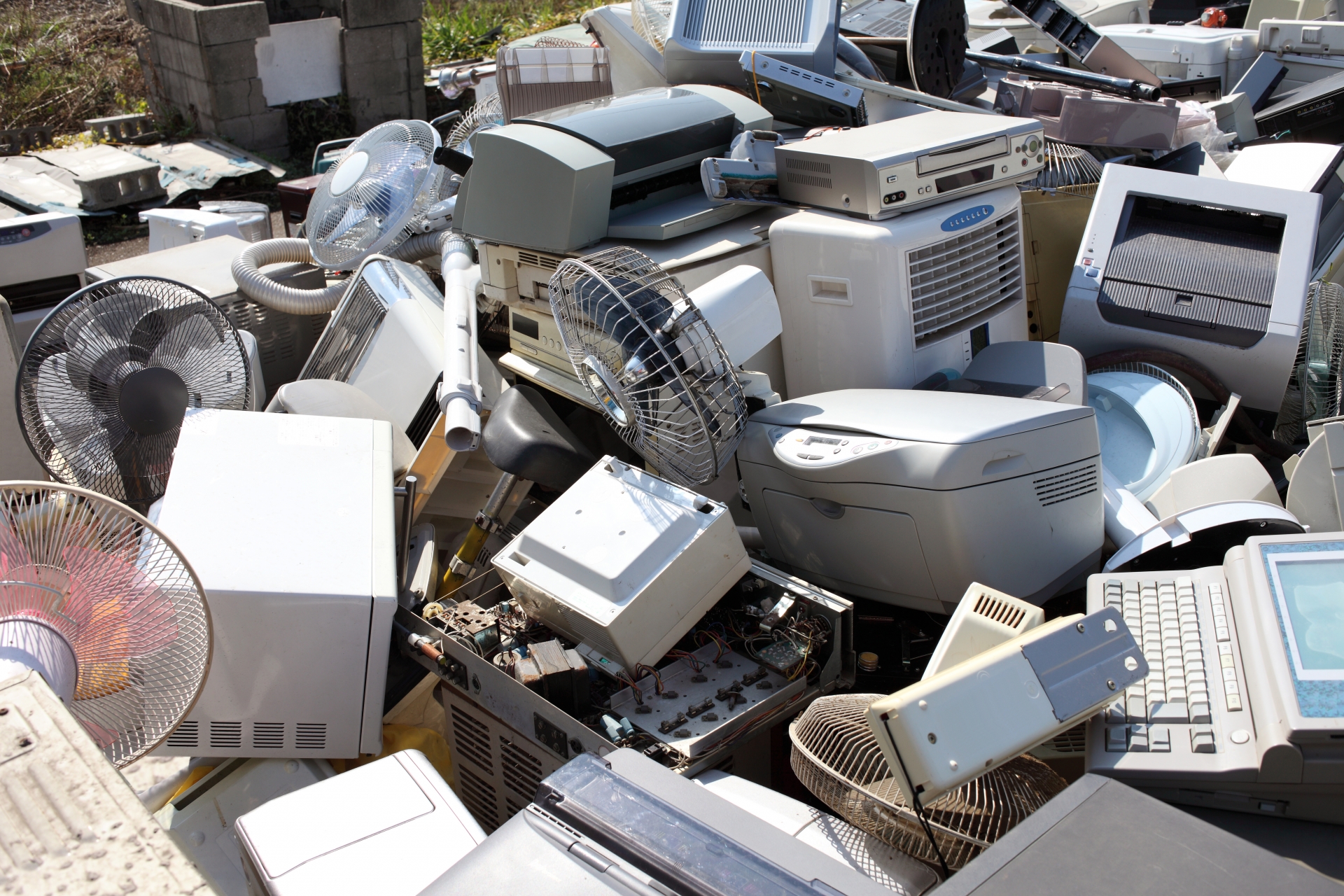
Have you ever seen someone taking cans or old paper from a recycling collection point on the morning of collection day and wondered, “Is this a crime?” or “Should I report it?” The unauthorized removal of recyclable waste has become a nationwide issue, and similar concerns and warnings have been raised within Yamagata Prefecture as well. However, because laws and local rules differ by municipality, many people misunderstand what is actually allowed.
Recyclable waste may be treated as simple “discarded items,” but depending on local rules, it may also be managed as part of an official recycling system—making the situation more complicated than it appears.
In Yamagata, where recycling systems are often operated at the neighborhood level, unauthorized removal can lead to disputes among residents or concerns about safety. As a result, even well‑intentioned actions can unintentionally cause problems, and people who notice violations may not know how to respond.
This article explains whether taking recyclable waste is illegal, what penalties and ordinances exist, and what appropriate actions residents and businesses should take. It is designed to help people in Yamagata understand local rules and prevent recycling‑related troubles. Please read to the end to avoid issues in your community.
What Is “Unauthorized Removal of Recyclable Waste”?

Unauthorized removal of recyclable waste refers to the act of taking recyclable items placed at collection points according to municipal or community rules, by someone other than the official collection service or the municipality.
At first glance, it may seem like someone is simply “reusing something that was thrown away,” but because recyclable waste is managed as part of the community’s recycling system, unauthorized removal can lead to disputes or violations of local ordinances.
Below, we clarify what items are considered recyclable waste and how their status changes before and after collection.
Examples of Recyclable Waste
Although classifications vary by municipality, recyclable waste generally includes the following:
Cans and Metal Items
Aluminum and steel cans are among the most valuable recyclable items and are frequently targeted for unauthorized removal. Because they can be sold as metal scrap, taking them before collection has become a nationwide issue.
Paper and Cardboard
Newspapers, magazines, and cardboard are also commonly recycled. Because paper is heavy and has monetary value, organized groups or individuals may remove it before collection.
Plastic Bottles
PET bottles are widely collected for recycling. Although they are less valuable than cans or paper, they may still be taken in bulk for resale or reuse.
Difference from Appliances and Bulky Waste
Recyclable waste is often confused with appliances or bulky waste. Items like TVs and refrigerators fall under the Home Appliance Recycling Law and are managed separately. Furniture and other bulky waste also require special municipal procedures. Unauthorized removal of these items can lead to violations such as illegal collection.
“Before Collection” vs. “After Collection”
Whether removal is considered a violation depends heavily on timing.
Before Collection: High Risk of Trouble
Once recyclable waste is placed at a collection point, it is generally considered part of the municipal recycling system. Therefore, taking it before official collection is prohibited in many municipalities. It may also disrupt community recycling revenue or plans, leading to disputes among residents.
After Collection: Under Municipal or Contractor Control
After collection, recyclable waste becomes municipal or contractor property. At this stage, the public is not allowed to take it. Unauthorized removal may be treated as theft or unlawful acquisition of managed property.
Is Unauthorized Removal of Recyclable Waste Illegal?

Many people wonder whether taking recyclable waste is a crime or whether penalties exist. However, the issue cannot be divided simply into “legal” or “illegal.” It must be evaluated based on both national law and municipal ordinances.
Below, we explain how the law views recyclable waste and why many municipalities prohibit removal through ordinances.
Legal Perspective (Waste Management Law)
To understand whether removal is illegal, we must consider how the Waste Management Law defines “waste,” and how ownership and theft are interpreted under criminal law.
Waste = Discarded Items
Under the Waste Management Law, waste is defined as “unwanted items.” However, recyclable waste placed at collection points according to municipal rules is often treated not as simple trash but as recycling resources managed by the municipality.
Basic Ownership Concepts
Once recyclable waste is placed at a collection point, it may be considered part of the municipal recycling program. Unauthorized removal may infringe on the rights of the municipality or the managing organization.
Difference from Theft Under Criminal Law
Whether removal constitutes theft depends on the situation. If the waste is considered abandoned property, it may not qualify as theft. However, if the municipality or contractor is deemed to own or manage the recyclable resource, unauthorized removal may be treated as theft or unlawful acquisition.
Why Many Municipalities Prohibit Removal Through Ordinances
Because national law alone cannot fully address the issue, many municipalities establish their own ordinances.
Many Municipalities Explicitly Prohibit Removal
Across Japan, numerous municipalities prohibit unauthorized removal of recyclable waste. Ordinances often forbid collection by anyone other than the municipality or its contractors, and violations may result in warnings or fines.
Perspectives: “Securing Resources,” “Public Safety,” and “Fairness”
Recyclable waste is an important resource that supports municipal recycling programs. When unauthorized removal occurs, it can affect municipal revenue and recycling plans. Early‑morning or nighttime removal may also cause safety concerns or neighborhood disputes. Additionally, from the standpoint of fairness toward residents who follow sorting rules, municipalities consider it necessary to prohibit unauthorized removal.
“No Ordinance” Does Not Mean It’s Allowed
Some municipalities do not have explicit ordinances prohibiting the removal of recyclable waste. However, the absence of an ordinance does not automatically mean removal is permitted. Recyclables may still be treated as municipal property, and removal may violate other laws. Following local rules and collection systems is the basic expectation.
Are There Penalties for Removing Recyclable Waste?
Unauthorized removal of recyclable waste may seem minor, but depending on municipal ordinances and the nature of the act, it can be subject to penalties. Responses vary by region—some cases end with warnings, while others may result in fines or even police involvement if the act is deemed malicious.
Below is an overview of typical penalties and situations where stricter measures may be taken.
Examples of Actual Penalties
Penalties for unauthorized removal are generally defined by municipal ordinances. While details vary, common responses include the following:
Administrative Fines (Several Thousand to Tens of Thousands of Yen)
Many municipalities impose administrative fines when ordinance violations occur. These fines are not criminal penalties but administrative sanctions, typically ranging from a few thousand to several tens of thousands of yen. Repeated violations or malicious behavior may result in stricter measures.
Guidance and Warnings
In practice, first‑time violations often result in guidance or warnings. Municipal staff or related agencies may issue verbal or written notices, and some municipalities conduct patrols or post warning signs to prevent recurrence.
Police Involvement in Serious Cases
When removal is repeated or conducted by organized groups, municipalities may find it difficult to respond alone and may involve the police. Cases involving large‑scale removal for resale or interference with official collection operations may lead to more severe action.
Can Someone Actually Be Arrested?
Some people worry that they might be arrested immediately for taking recyclable waste, but actual responses vary greatly depending on the situation.
Minor Cases Are Rarely Arrested
If an individual takes a small amount of recyclable waste, arrests are uncommon. Most cases are handled through municipal warnings or guidance. However, administrative fines may still apply, so it should never be taken lightly.
Organized or Repeated Cases Are Different
If removal is repeated or conducted for resale on a large scale, the situation changes significantly. Such acts may raise suspicion of theft or illegal collection, and police involvement becomes more likely. Large‑scale acts that disrupt local recycling systems tend to be handled strictly.
Common Patterns of Recyclable Waste Removal

Unauthorized removal occurs for various reasons—not only for resale, but also from “good intentions,” such as “It still looks usable” or “It would be wasteful to throw it away.” Even when there is no malicious intent, such actions can affect municipal recycling systems and local management.
Here are common patterns seen nationwide:
Metal and Paper Taken for Resale
The most common pattern involves taking valuable metals or paper for resale. Aluminum cans, copper wire, and other metals can be sold, so they are often removed before collection. Newspapers and cardboard can also be exchanged for money when collected in bulk, leading to organized removal.
Such acts reduce community recycling revenue and disrupt the sorting and collection system.
Individuals Taking Items Because “They’re Still Usable”
Some individuals take items such as furniture, household goods, or small appliances because they believe they can still be used. However, items placed as recyclable waste are often under municipal management, meaning even well‑intentioned removal may violate rules. It can also cause disputes with collection point managers or neighbors.
Unauthorized Collection by Unlicensed Businesses
A growing issue is unlicensed businesses collecting recyclable waste. These groups may gather large quantities of metal or paper for resale, sometimes patrolling early in the morning with trucks. Unauthorized collection disrupts municipal recycling systems and may lead to improper disposal. Therefore, many municipalities prohibit such acts through ordinances.
Nighttime or Early‑Morning Removal
Unauthorized removal often occurs at night or early in the morning when fewer people are watching. It tends to happen the day before collection or earlier than the scheduled collection time. These acts may cause safety concerns, disturb residents, or lead to noise and vehicle‑related disputes.
What Should Residents Do If Their Recyclable Waste Is Taken?

When witnessing unauthorized removal, many people wonder, “Should I stop them?” or “Should I report this?” However, responses should be calm and based on safety and local rules—not emotional reactions.
Here is the appropriate way for residents to respond, based on municipal guidance and common consultation cases.
Is It Okay to Confront Them Directly?
You may feel tempted to confront someone taking recyclable waste, but most municipalities **do not recommend** direct confrontation.
Here’s why:
Risk of Trouble or Danger
You do not know who the person is, and confrontation may escalate into arguments or conflict. Some individuals may react aggressively, creating safety risks.
Why It’s Not Recommended
Unauthorized removal involves municipal systems and ordinances, so it should not be handled between individuals. Direct confrontation may complicate the situation and make later responses more difficult. Therefore, municipalities recommend contacting the appropriate office instead of intervening personally.
Contacting the Municipality Is the Basic Response
If you witness unauthorized removal, the standard response is to contact your municipality. Municipalities can respond appropriately based on ordinances and local rules.
Here’s where to contact and what to report:
Environmental Division / Waste Management Office
Most municipalities handle recycling‑related inquiries through their environmental or waste management departments. Reporting the location and situation may lead to increased patrols or public warnings.
Information to Provide When Contacting the Municipality
When contacting your municipality, sharing the following details—only if safely possible—can help them respond more effectively:
- Date, time, and frequency of the incident
- Location of the collection point
- Type of items taken (cans, paper, etc.)
- Description of the person or vehicle involved
- Photos or videos (only if they can be taken safely)
However, you do not need to force yourself to gather evidence. If you feel unsafe, keeping your distance is most important.
Is It Okay to Report to the Police?
Many people wonder whether they should contact the police or consult the municipality when they witness unauthorized removal. The decision depends on the situation, so here are general guidelines.
When There Is No Immediate Danger
If the removal is a one‑time incident or poses little risk, the basic recommendation is to consult the municipality first. Municipalities can respond based on ordinances and collection systems, which often leads to more fundamental solutions.
Why Municipal Response Is Prioritized
Unauthorized removal is usually handled as an ordinance or community‑rule issue rather than a criminal case. However, if large‑scale removal is repeated, if violence is involved, or if resident safety is threatened, police intervention may be necessary.
Measures to Prevent Unauthorized Removal

Unauthorized removal is difficult to prevent through individual effort alone.
That’s why municipalities and neighborhood associations often recommend combining several measures to create an environment where removal is less likely to occur.
Here are common preventive measures used in many communities:
Adjusting the Time You Put Out Recyclables
The longer recyclables sit at the collection point, the more likely they are to be taken. Following municipal rules—such as placing items out “on the morning of collection day” or “close to the collection time”—is essential. Putting items out the night before or very early in the morning increases the chance of removal. Even small adjustments to timing can help reduce incidents.
Using Nets or Containers
Covering recyclables with nets or placing them in collection boxes or containers can make removal more difficult. Metal items and paper are especially easy to take if bags can be lifted directly, so physical barriers are effective.
In some areas, nets alone may not be enough, and enclosed containers may be considered.
Posting Warning Signs
Posting signs such as “Unauthorized removal of recyclables is prohibited” or “Prohibited by ordinance” can deter removal. Some people take items simply because they do not know the rules, so clear signage can be surprisingly effective.
Many municipalities provide templates for these posters.
Neighborhood Association or Manager Involvement
Preventive measures often work better when handled by the neighborhood association or collection‑point manager rather than individuals.
Examples include:
- Consulting the municipality as a neighborhood group
- Using unified signage
- Checking the collection point on a rotation basis
Shared rules create a sense of “being watched,” which helps deter removal.
If problems persist, the location or rules of the collection point may be reconsidered.
Considering Security Cameras
In areas with repeated incidents, installing security cameras may be considered. Cameras provide both evidence and psychological deterrence.
However, installation costs and privacy concerns must be considered. If introduced, the neighborhood association should reach consensus and consult the municipality as needed.
Points Businesses and Collectors Should Be Careful About

Businesses and collection contractors must ensure they have proper authorization and follow municipal rules. Compliance prevents trouble and builds trust.
Unauthorized removal is not only an issue for residents—businesses must also be cautious. Even actions taken with good intentions, such as “recycling useful materials,” can violate ordinances.
Here are key points businesses should keep in mind:
Why Municipal Authorization Is Required
In many municipalities, only the municipality or authorized contractors may collect recyclable waste. This is because recyclables are managed as part of the municipal recycling program.
Unauthorized collection disrupts tracking and proper recycling. Businesses must always confirm permits and contracts before handling recyclables.
Cases Where Unauthorized Collection Becomes a Problem
If businesses collect recyclables from collection points without authorization, it may violate ordinances—even if proper processing occurs afterward. Patrolling with trucks to gather metal or paper is often seen as organized removal, prompting municipal or police intervention. Such actions may also disturb collection points or cause anxiety among residents.
Good Intentions Can Still Be Violations
Some businesses collect items out of goodwill, such as wanting to reuse materials. However, recyclables are often under municipal control, so good intentions do not exempt them from rules.
Even if a resident verbally says “You can take it,” the collection point itself is usually managed by the municipality or neighborhood association. Businesses must follow formal procedures and understand local regulations.
Frequently Asked Questions About Recyclable Waste Removal
Unauthorized removal is a topic where misunderstandings easily lead to violations. When in doubt, checking municipal rules and choosing **not** to take items is the safest approach.
Q. Is it illegal even if I just “pick up” recyclable waste?
It depends on the situation. In many municipalities, taking recyclables before collection is prohibited by ordinance—even if you “just picked it up.” Rules vary, but it is safest to avoid taking anything.
Q. Is it okay as long as I don’t sell it?
Selling is not the deciding factor. Unauthorized removal is often prohibited regardless of resale intent. Even reuse or goodwill may interfere with municipal recycling systems.
Q. Is it okay to take items after collection?
No.
After collection, recyclables are under municipal or contractor control. Unauthorized removal may be treated as unlawful acquisition.
Q. Are rules different for foreigners or elderly people?
Rules apply equally to everyone. However, if someone is unaware of the rules, municipalities may respond with guidance rather than penalties.
Q. How do I check my municipality’s rules?
Because rules differ by municipality, always check official information. Methods are explained in the next section.
Rules and Responses in Yamagata Prefecture

Responses vary across Yamagata’s municipalities. In Yamagata City, unauthorized removal of recyclables (cans, paper, etc.) may be subject to warnings or prohibitions.
Check Yamagata City’s “Waste & Recycling” pages or the waste‑sorting booklet/calendar for rules and penalties.
For details, see:
Yamagata City Official Website
If removal is repeatedly observed, report “date, location, frequency, and items taken” to the Environmental Division. If you feel unsafe or witness intimidation or large‑scale removal, consider consulting the police.
How to Check Rules in Your Municipality

Because rules differ, assuming “It was okay in another city” is dangerous. Always check the rules of your municipality.
Check the Official Municipal Website
Most municipalities publish recycling rules and removal prohibitions on pages such as “Waste & Recycling,” “Environment,” or “Living Information.”
Search “Recyclable Waste Removal Ordinance + Municipality Name”
Searching with the municipality name helps locate ordinance pages or warnings.
Check Waste‑Sorting Booklets or Community Notices
Booklets and neighborhood circulars often summarize local rules and collection‑point guidelines.
Summary
Unauthorized removal of recyclable waste is widely recognized as a problem, and many municipalities explicitly prohibit it. Even if it appears to be “reusing discarded items,” recyclables are often managed as part of municipal recycling systems and cannot be freely taken.
Because this issue cannot be judged solely by national law, municipal ordinances and local rules must also be considered. The same act may be treated differently depending on the municipality.
Residents should not confront individuals directly due to safety risks. The recommended response is to consult the municipality’s Environmental or Waste Division.
Understanding the rules—and ensuring residents, businesses, and municipalities share the same awareness—is essential to preventing misunderstandings and maintaining a safe community environment.

![[Yamagata, Oguni Town / Iide Town] Climbing ‘Kuratesan’ and the ‘Submerged Forest’ of Shirakawa Lake | Be amazed by the huge panorama from Kuratesan and the magical Shirakawa Lake! アイキャッチ](https://bongheiberg.yamagata.jp/wp-content/uploads/2026/05/image2.jpg)

![[Yamagata, Higashine City] Sobadokoro Higashitei|A place near the Higashine sakuranbo station where you can try cold meat soba etc アイキャッチ](https://bongheiberg.yamagata.jp/wp-content/uploads/2026/02/398e9260dd7f4f868180b280bdeb03f8-scaled.jpg)
![[Yamagata, Yonezawa City] Nationally Designated Historic Site ‘Uesugi Family Mausoleum’ | Visiting Report of a Historic Spot Where Uesugi Kenshin and Uesugi Yozan Rest アイキャッチ](https://bongheiberg.yamagata.jp/wp-content/uploads/2026/03/gobyosyo-main-1-scaled-e1773895183538.jpg)
![[Yamagata, Obanazawa City] Stewed Hormone ‘Sasanishiki Shokudo’ | I Went to a Popular Spot That Never Stops Having a Line! アイキャッチ](https://bongheiberg.yamagata.jp/wp-content/uploads/2026/02/5e784e5981a96bbb68dcfef63a84a621-scaled.jpg)
![[Yamagata, Yamagata City] Ofuro Café Yusa | Relaxing and Instagrammable Hot Springs アイキャッチ](https://bongheiberg.yamagata.jp/wp-content/uploads/2025/09/yusa_irigutisyoumen.jpg)