

Complete Yamagata Food Guide|All the local specialties like Imoni, Yonezawa beef, ramen, rice, and local sake in one place
2026/05/31 This site contains advertisements. Category: local-food
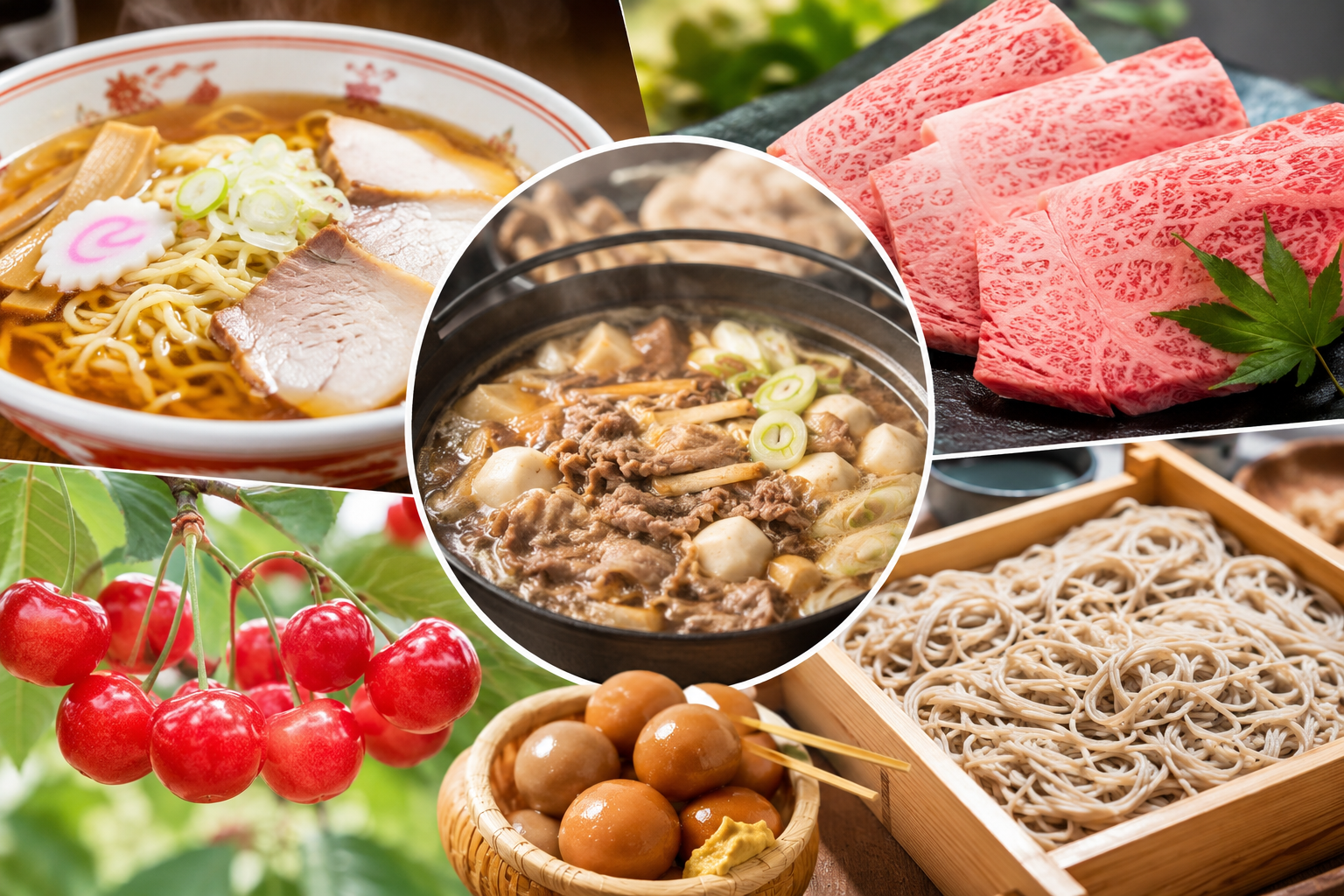
Yamagata is home to many delicious foods that you can truly appreciate only when traveling.
From the iconic autumn dish “Imoni,” to the nationally renowned “Yonezawa Beef,” fragrant soba, and regionally unique ramen styles—Yamagata’s rich natural environment has nurtured a diverse food culture that continues to thrive today. Seasonal fruits, local sake, and traditional dishes passed down through generations all reflect the deep connection between the land and its people.
In this article, we introduce the must‑try specialty foods and local dishes you should enjoy during your trip to Yamagata. From classic favorites to beloved local flavors, we’ll share the full charm of Yamagata’s culinary culture. Use this guide to help plan your trip or gourmet adventure.
Yamagata’s Signature Local Dish: “Imoni”
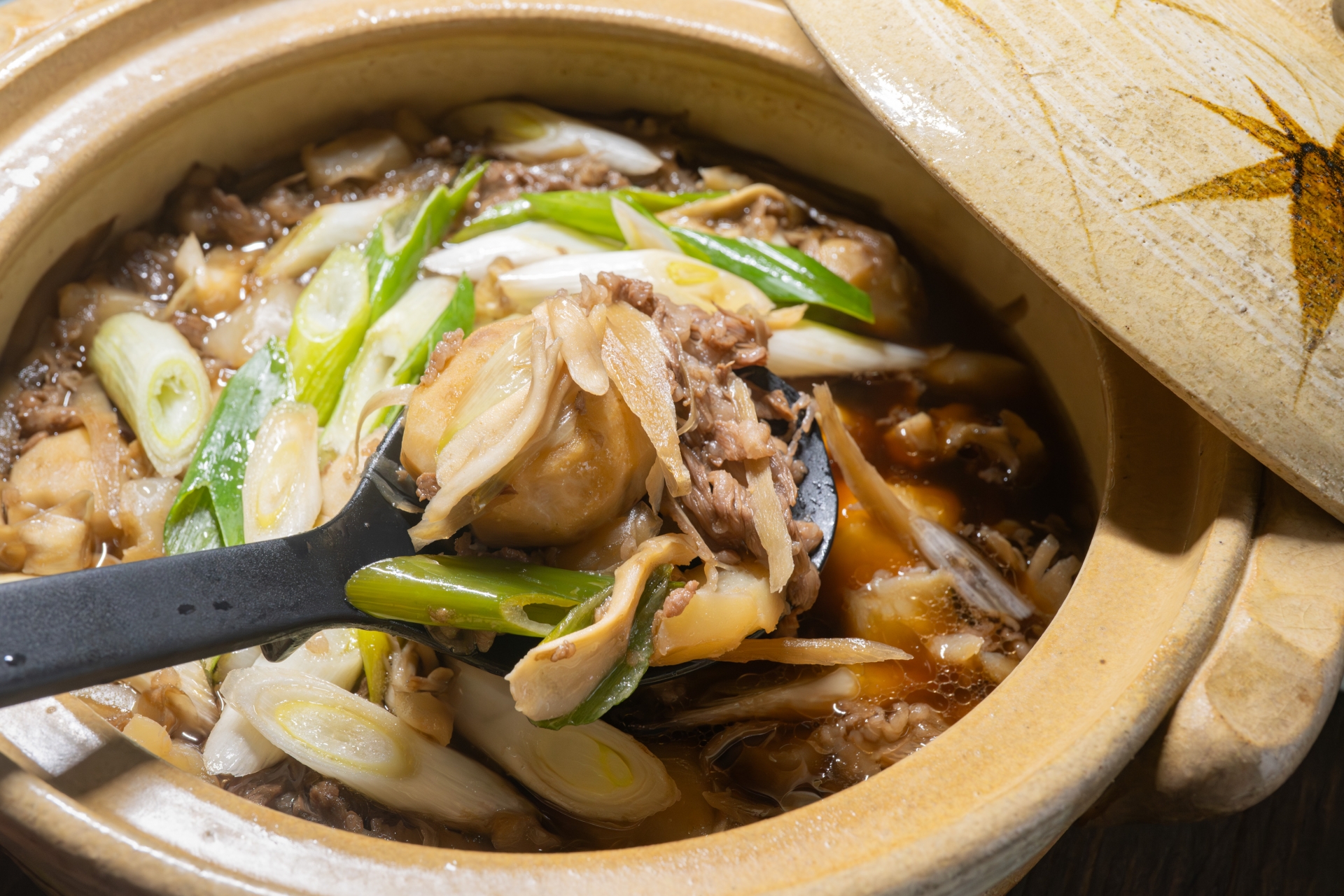
In Yamagata, it’s common to see people gathering along riverbanks in autumn to enjoy Imoni. At the massive “Japan’s Largest Imoni Festival,” the dish is prepared using giant pots and even construction machinery—an impressive sight.
Whether the broth is soy sauce or miso, whether the meat is beef or pork— each region has its own unique style and flavor. You can also enjoy Imoni at restaurants and hot spring inns throughout the prefecture.
Yonezawa Beef — Yamagata’s Proud Premium Wagyu
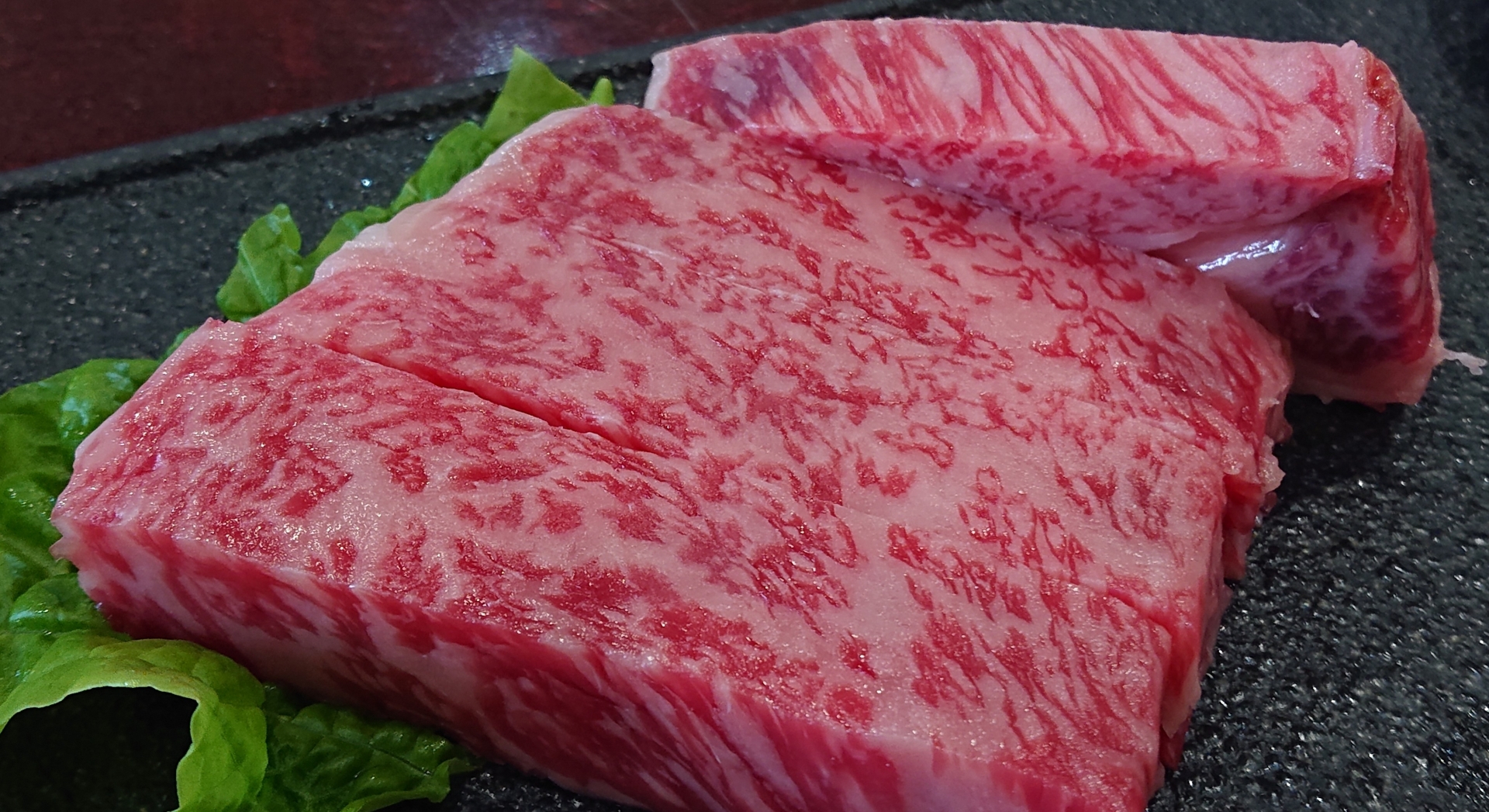
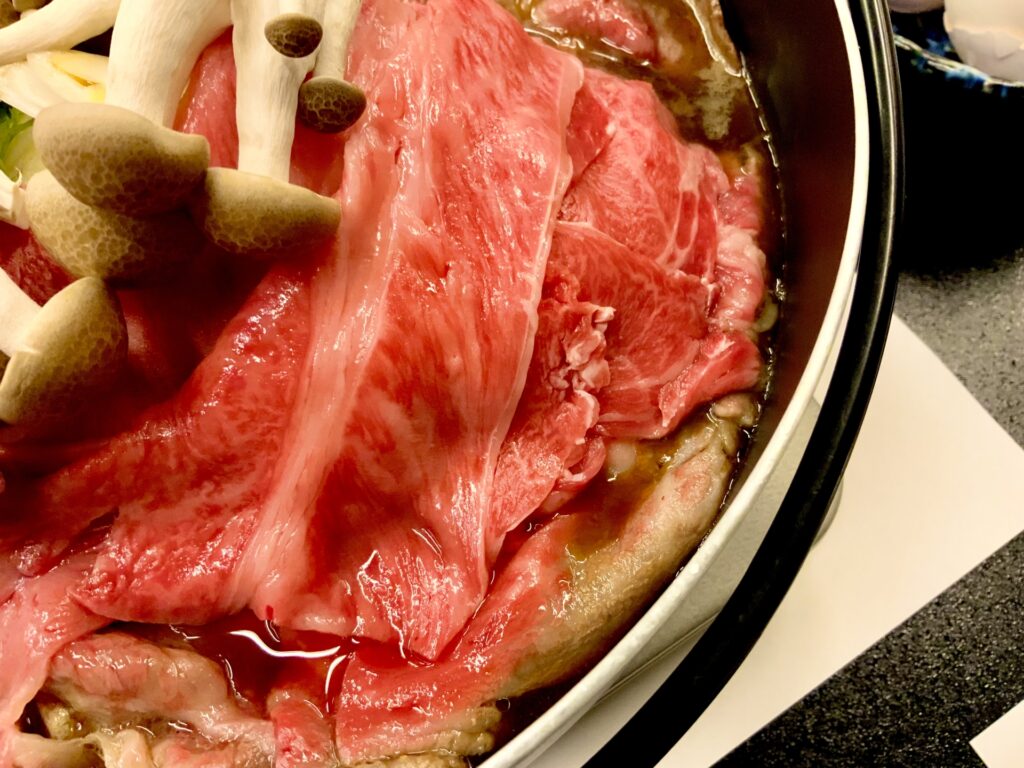
The Okitama region, surrounded by mountains, is known for its large temperature differences between day and night and its harsh winters. Raised in this pristine environment with pure snowmelt water, Yonezawa Beef has become one of Japan’s top wagyu brands.
Its quality is so exceptional that it is often mentioned alongside other famous wagyu such as Matsusaka Beef and Kobe Beef. Whether enjoyed as sukiyaki, steak, or shabu‑shabu, its rich flavor and melt‑in‑your‑mouth texture are unforgettable—especially when tasted locally.
![[Yamagata, Yonezawa City] Tokiwa Branch Noboru | Luxurious Yonezawa Beef Bowl! Actual Eating Report デスクトップ向け](https://bongheiberg.yamagata.jp/wp-content/uploads/2026/03/tokiwanoboru-gyudon2-1024x768.png)
Yamagata’s Award‑Winning Sake and Wine
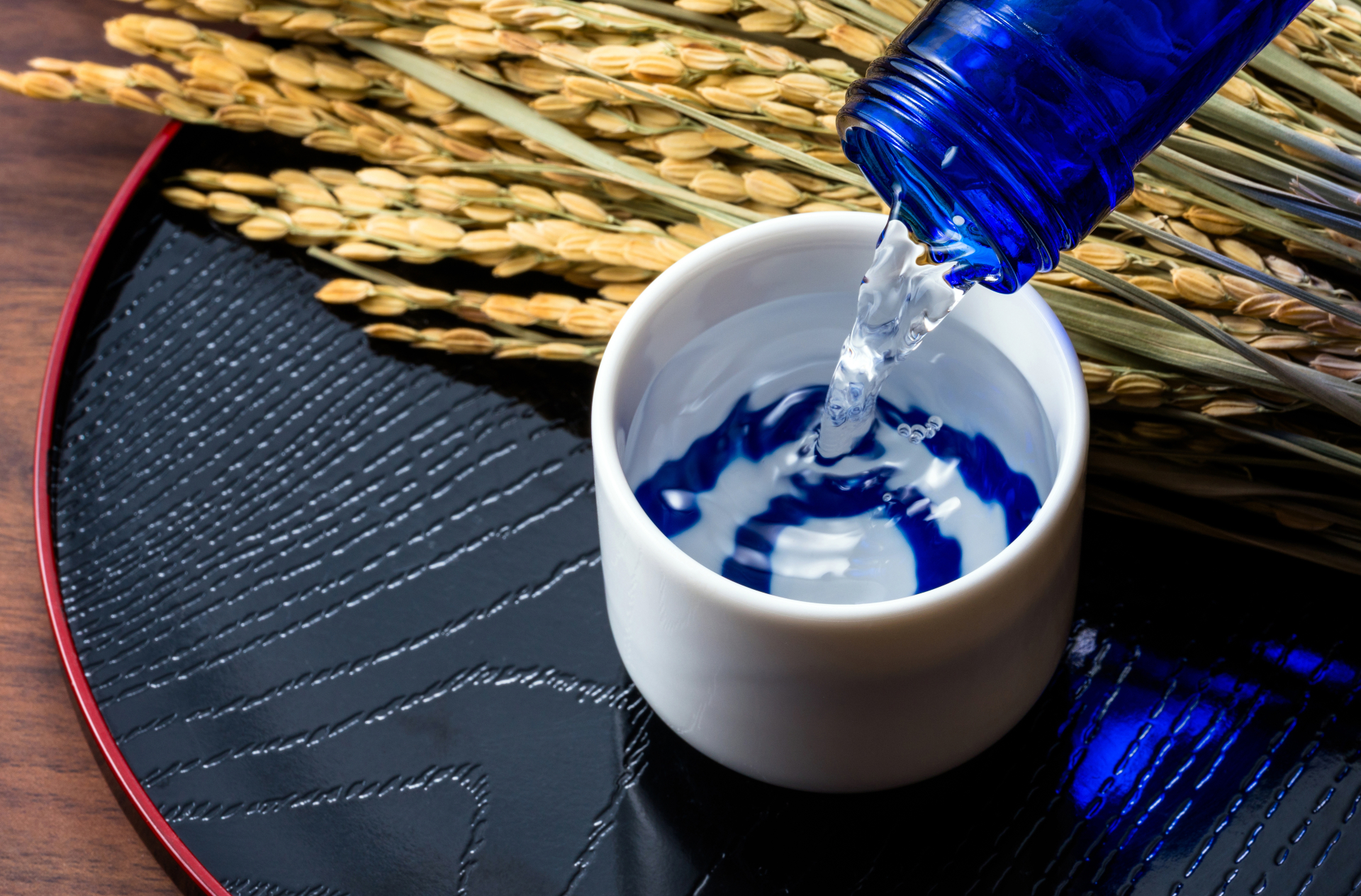
Known as the “Kingdom of Ginjo,” Yamagata was the first prefecture in Japan to receive a regional GI (Geographical Indication) designation for its sake. Yamagata’s sake has earned global recognition, including top awards at the world‑renowned International Wine Challenge (IWC).
Famous brands such as Juyondai, Kudoki Jōzu, and Dewazakura are beloved nationwide. High‑quality wines made from local grapes—such as Delaware—are also widely enjoyed.
At Yamagata Sake Trail Chett, located just one minute from JR Yamagata Station, you can sample up to 42 varieties of local sake and wine for a small fee. It’s the perfect place for anyone who wants to try many different flavors.
【Basic Information】
| Spot Name | Yamagata Sake Trail Chett |
|---|---|
| Phone | 023-647-2333 |
| Hours | 10:00–19:30 Coin sales: 10:00–19:15 |
| Address | 1-1-1 Jonanmachi, Yamagata City, Yamagata 990-8580 (Kajo Central 1F) |
| Official Website | Yamagata Sake Trail Chett |
Many breweries and wineries in the prefecture offer guided tours and tastings, allowing you to learn about the brewing process while enjoying the aromas and flavors.
![[Yamagata, Takahata city] More Than Just Wine—Discover the Family-Friendly Charm of Takahata Winery デスクトップ向け](https://bongheiberg.yamagata.jp/wp-content/uploads/2025/08/IMG_3849-1-scaled.jpg)
![[Yamagata, Asahimachi] Asahimachi Winery, surrounded by nature | Enjoy tasting a wide variety of wines デスクトップ向け](https://bongheiberg.yamagata.jp/wp-content/uploads/2025/09/202602231604001-1024x768.jpg)
Craft beer has also been gaining attention in recent years. Yamagata’s clean water and climate—marked by strong temperature differences—create ideal conditions for fermentation. From crisp, refreshing beers to unique varieties made with local fruits and ingredients, the lineup is wonderfully diverse.
Soba Culture Unique to Yamagata
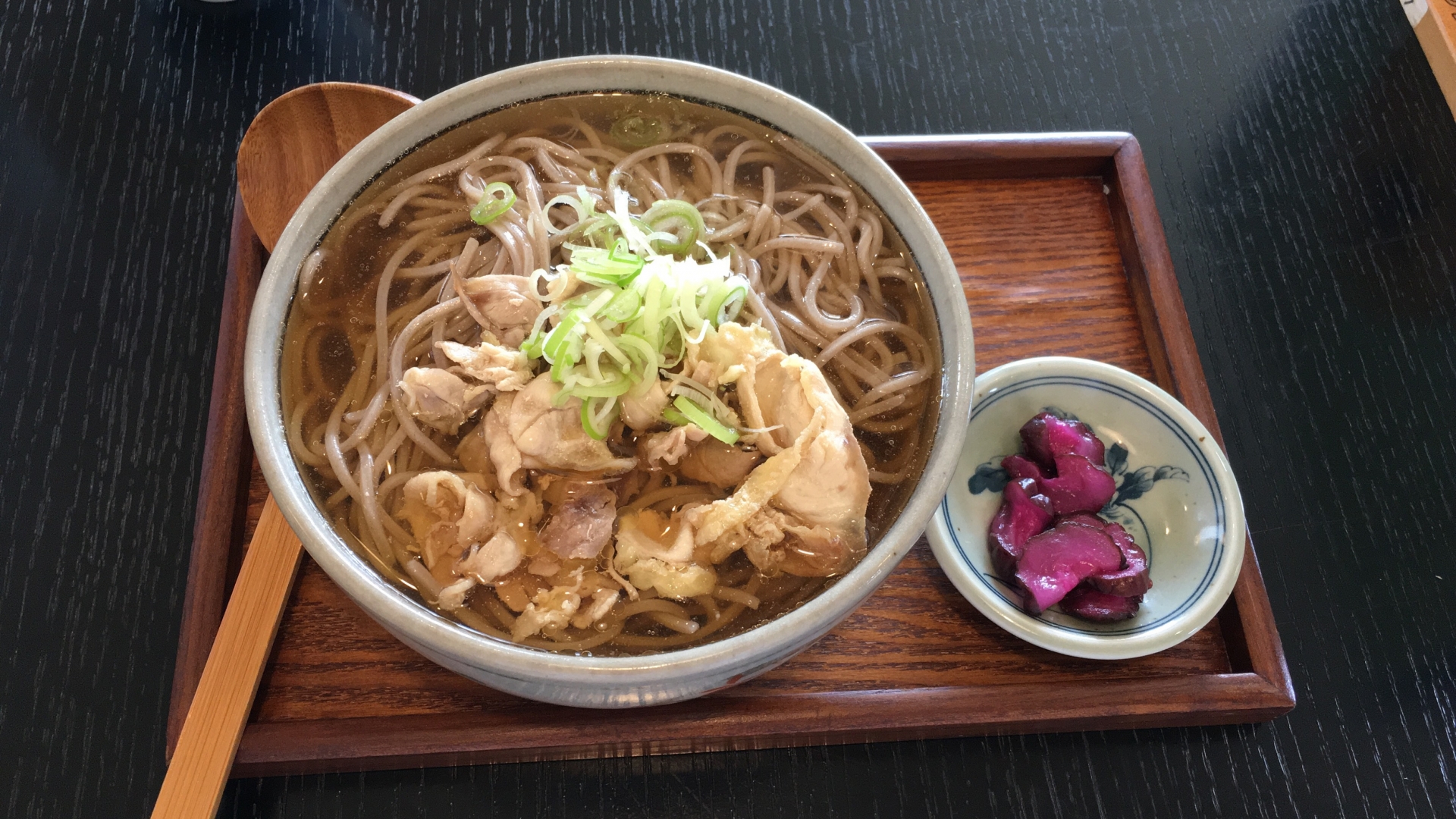
Yamagata’s soba is known for its rich aroma and firm texture. The soba flour, nurtured by the region’s dramatic temperature differences and abundant nature, brings out exceptional flavor.
Coarsely ground “country-style soba” has a rustic, bold aroma and a satisfying chew. Paired with seasonal mountain vegetables or vegetable tempura, it offers a luxurious moment where you can savor the blessings of each season.
One of the most iconic traditions is the “Ita Soba” culture. Soba beautifully arranged on a large wooden board is a classic Yamagata style, allowing you to enjoy generous portions of fragrant noodles.
Another essential part of Yamagata’s soba culture is Cold Niku Soba, originating from Kahoku Town. Firm soba noodles are served in a sweet‑savory broth made from chicken, creating a simple yet deeply flavorful dish. Although the specialty is served cold, both hot and cold versions are available. The chilled version, with its refreshing broth, is especially beloved and widely enjoyed as a uniquely Yamagata way of eating soba.
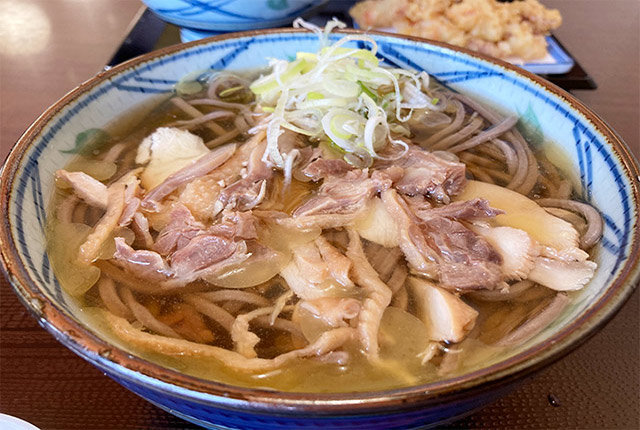
![[From Yamagata to Gassan] “Sobadokoro Ito” – Cold meat soba! デスクトップ向け](https://bongheiberg.yamagata.jp/wp-content/uploads/2025/07/IMG_3580-1024x768.jpg)
Traditional Carp Cuisine Passed Down in Yamagata
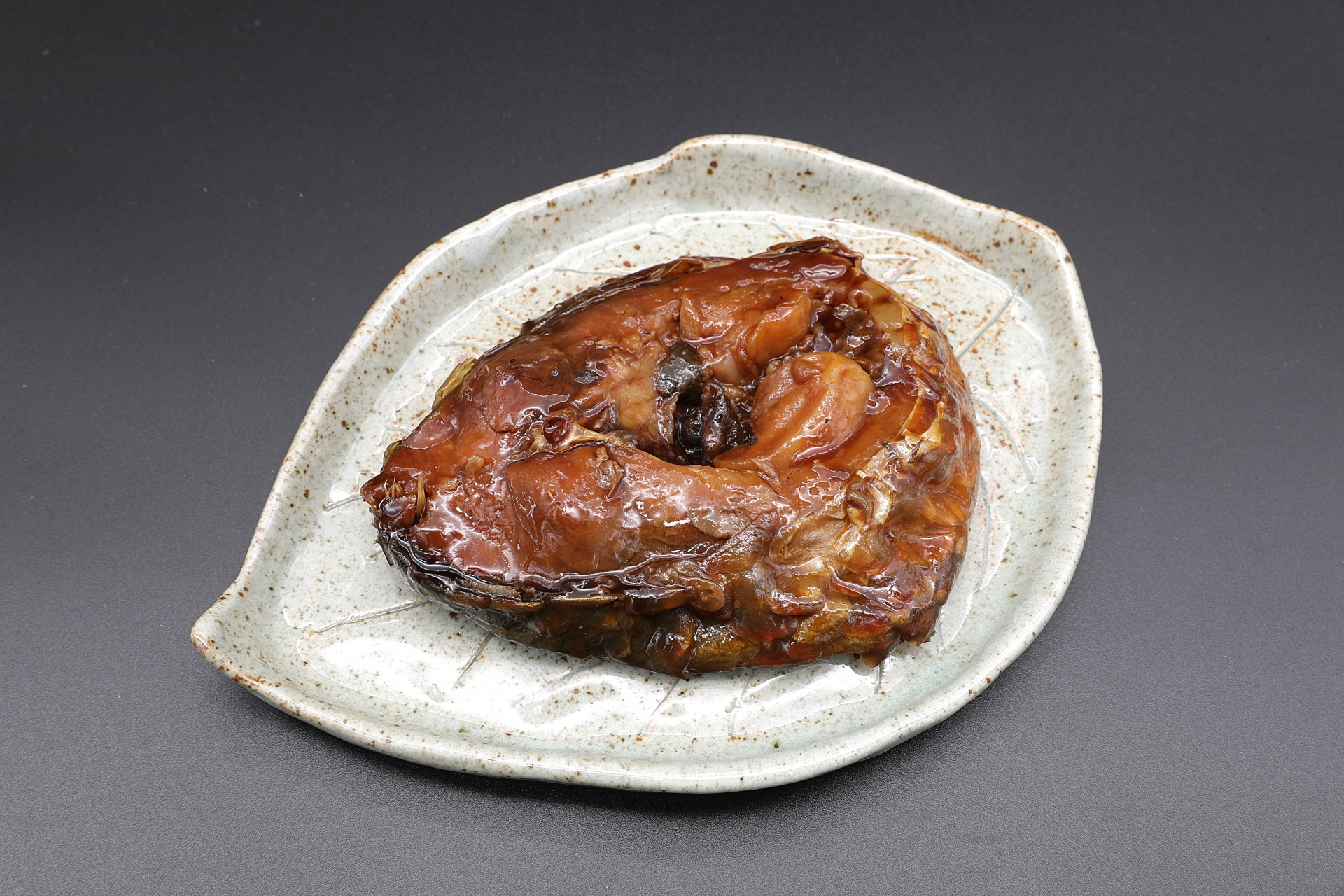
Carp farming in Yamagata began in the Edo period as a way to secure valuable nutrition in an inland region with limited seafood.
Carp dishes have long been enjoyed at celebrations and seasonal events, and their flavors continue to be passed down through various traditional cooking methods.
- Koi no Amani (Sweet-Simmered Carp)
- A signature Yamagata dish, simmered slowly in a glossy sweet‑savory sauce.
- Koikoku
- A miso-based soup that brings out the full richness of carp.
- Arai (Sashimi)
- Carp chilled in cold water to tighten the flesh, offering a firm texture and clean flavor.
- Koikoku Hot Pot
- A nourishing hot pot perfect for cold seasons, warming the body from within.
Carp is high in protein, low in fat, and rich in collagen—making it a wonderful ingredient for recovery and vitality. These dishes, shaped by the wisdom and history of life in Yamagata’s harsh natural environment, offer visitors a moment of nourishment for both body and spirit.
Rice — A Gift from Yamagata’s Land
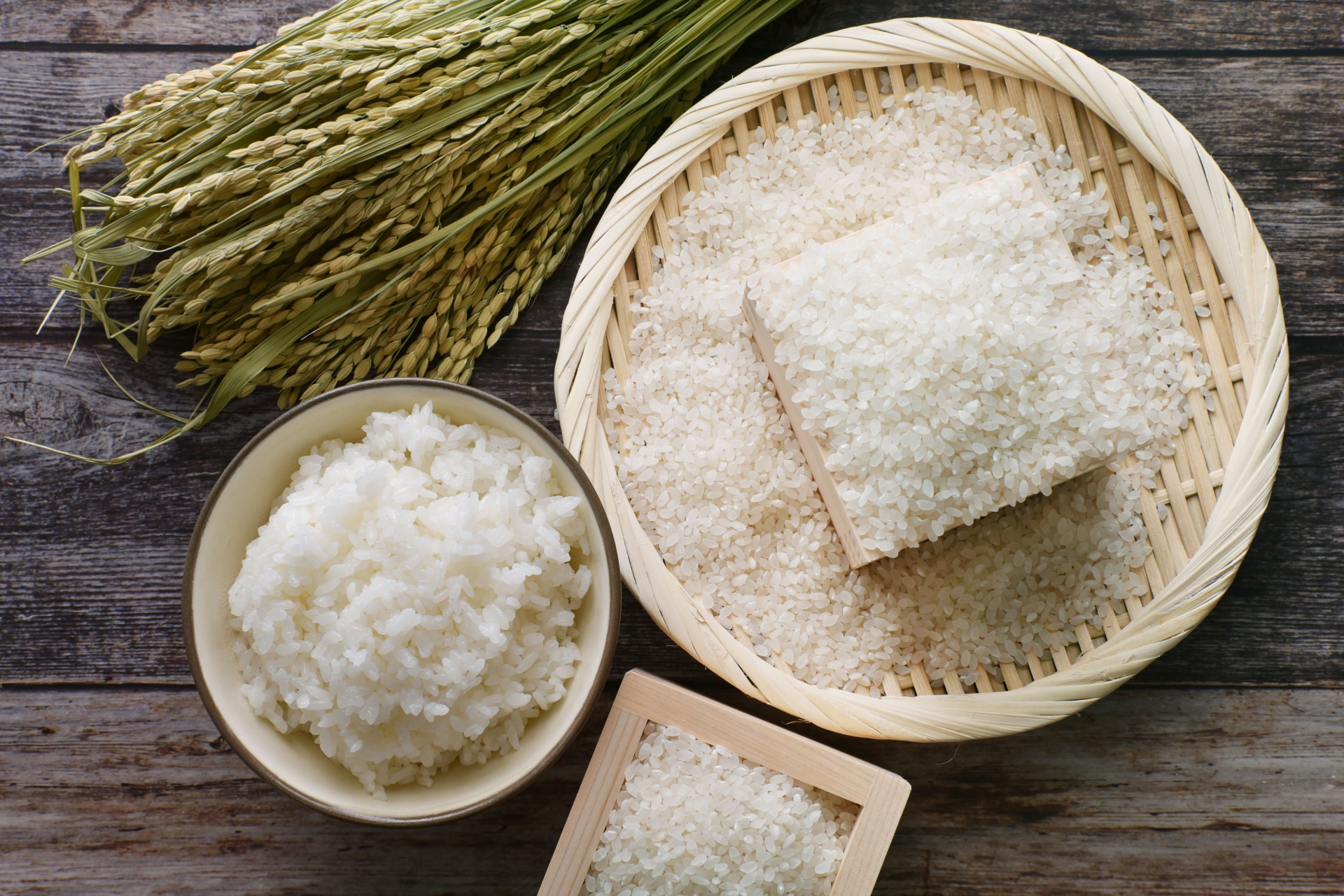
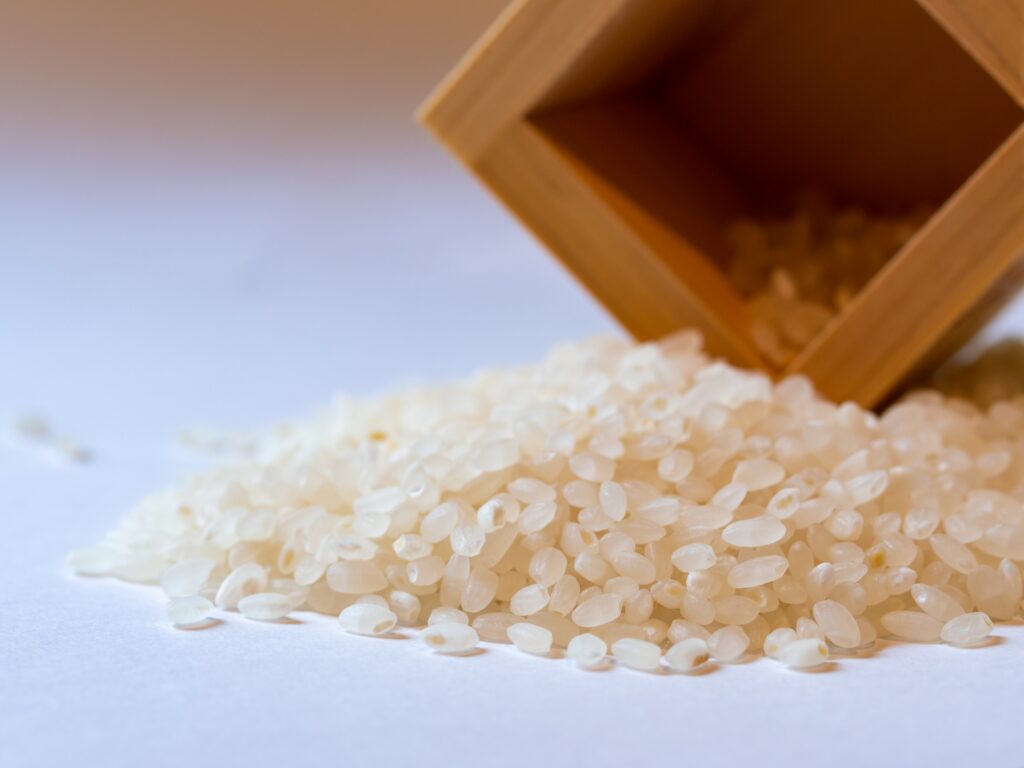
With pure water, clean air, and dramatic temperature differences between day and night, Yamagata has ideal conditions for rice cultivation. It is known as one of Japan’s top rice-producing regions.
The high quality of Yamagata rice is proven by the fact that many varieties consistently earn the highest “Special A” rating in national taste rankings.
Tsuyahime
Has earned the highest “Special A” rank for over 15 consecutive years. Known for its glossy shine, rich sweetness, umami, and pleasantly chewy texture.
Yukiwakamaru
A leading variety following Tsuyahime, also consistently rated “Special A.” Characterized by firm, plump grains and a refined sweetness.
Haenuki
A long‑standing “Special A” variety. It has moderate firmness without being overly sticky and maintains its delicious flavor even when cooled.
Thanks to clean water, fertile soil, and ideal growing conditions, Yamagata rice is highly regarded nationwide. Local vegetable dishes such as “Dashi” and various pickles pair perfectly with freshly cooked rice, making them one of the joys of traveling in Yamagata.
Melting Sweetness: Kinka Pork & Sangenton Pork | Hirata Bokujo
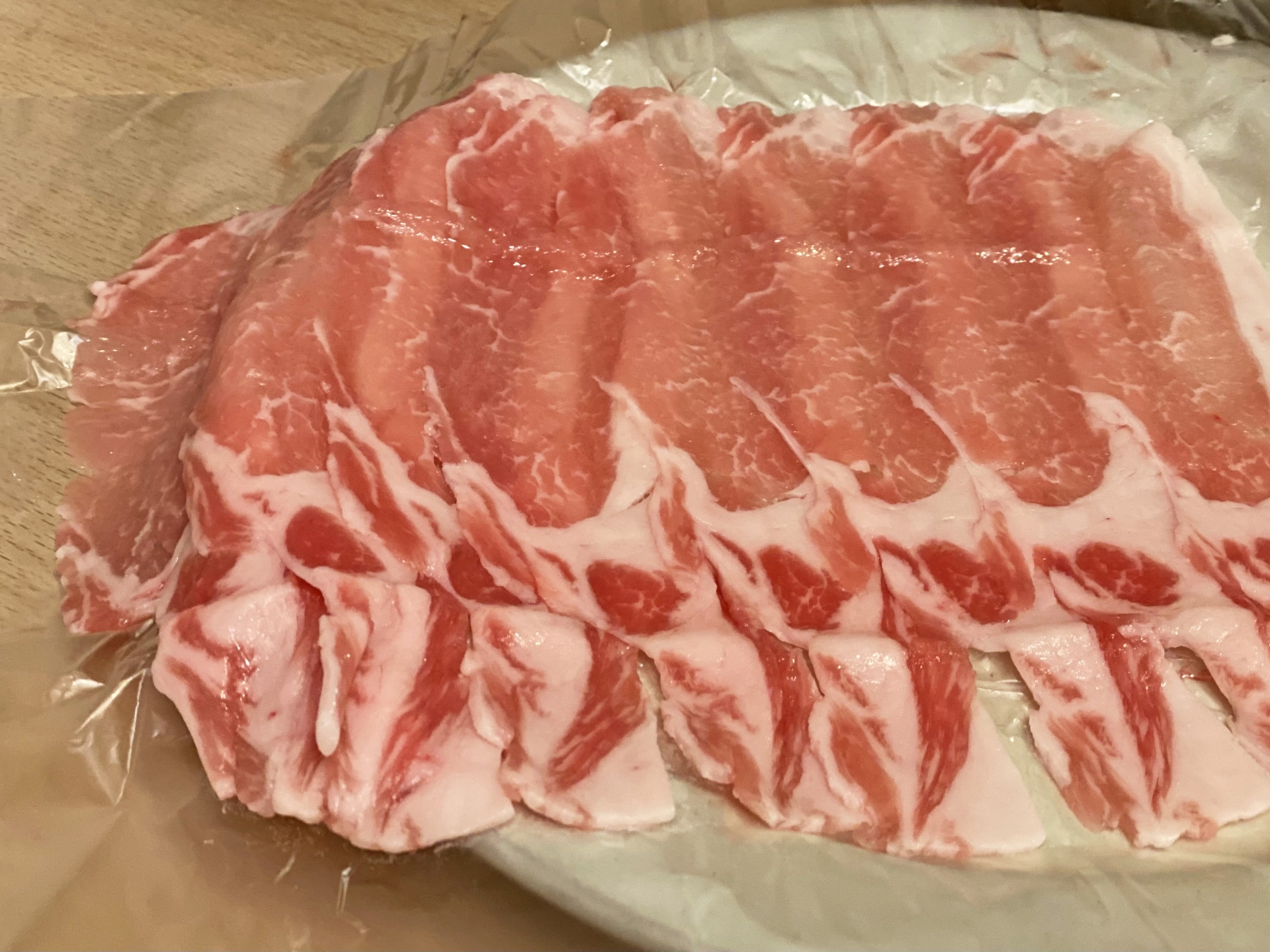
Hirata Bokujo is a nationally known brand specializing in premium pork. Raised with Yamagata’s clean water and locally grown rice, the pigs develop exceptionally tender meat and beautifully marbled fat.
- Kinka Pork
- A rare black‑hog breed known for its sweet, delicate fat and smooth texture.
Ideal for steaks and roasts that highlight the natural flavor of the meat. - Sangenton Pork
- A crossbreed of three pig varieties, offering a perfect balance of lean and fat for a juicy, flavorful taste.
Delicious in tonkatsu, shabu‑shabu, and many other dishes.
Both Sangenton and Kinka Pork can be enjoyed or purchased around Yamagata Station. At Hirata Bokujo’s flagship restaurant, you can compare different pork varieties, and factory tours allow you to learn about the farming and processing environment—making it a unique experience during your Yamagata trip.
【Basic Information】
| Spot Name | Hirata Bokujo Main Store |
|---|---|
| Phone | 0234-21-0111 |
| Hours | 10:00–18:30 |
| Address | 5-7 Matsubara Minami, Sakata City, Yamagata 998-0841 |
| Parking | Available |
| Official Website | Hirata Bokujo Main Store |
Yamagata’s Beloved Rice Companions: “Dashi” and “Omi-zuke”
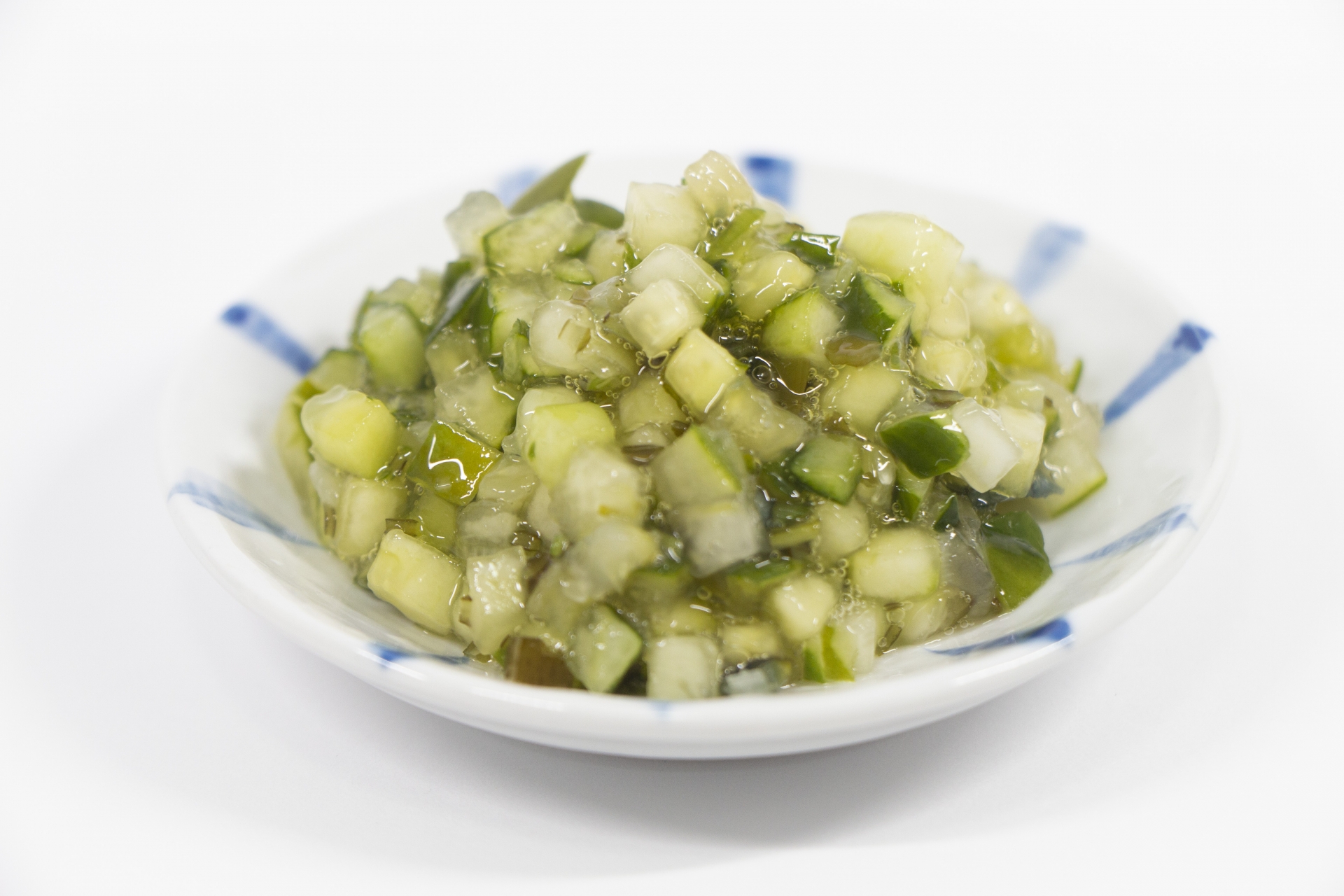
Yamagata offers a variety of pickles and side dishes that pair perfectly with freshly cooked rice. Here are some of the region’s most iconic “rice companions.”
Side Dishes That Make You Want More Rice
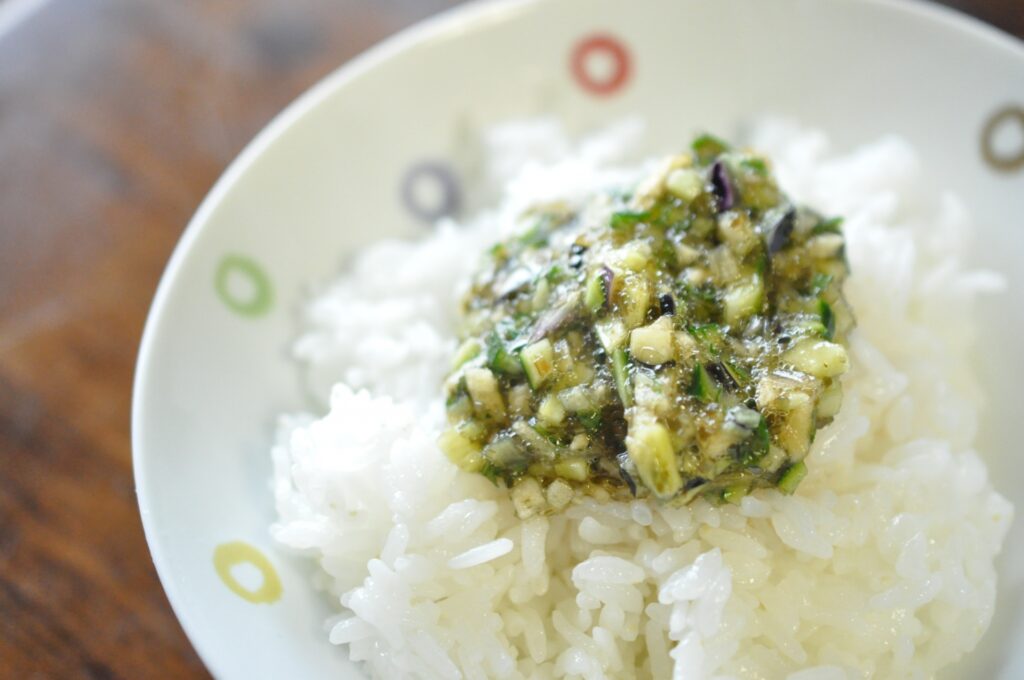
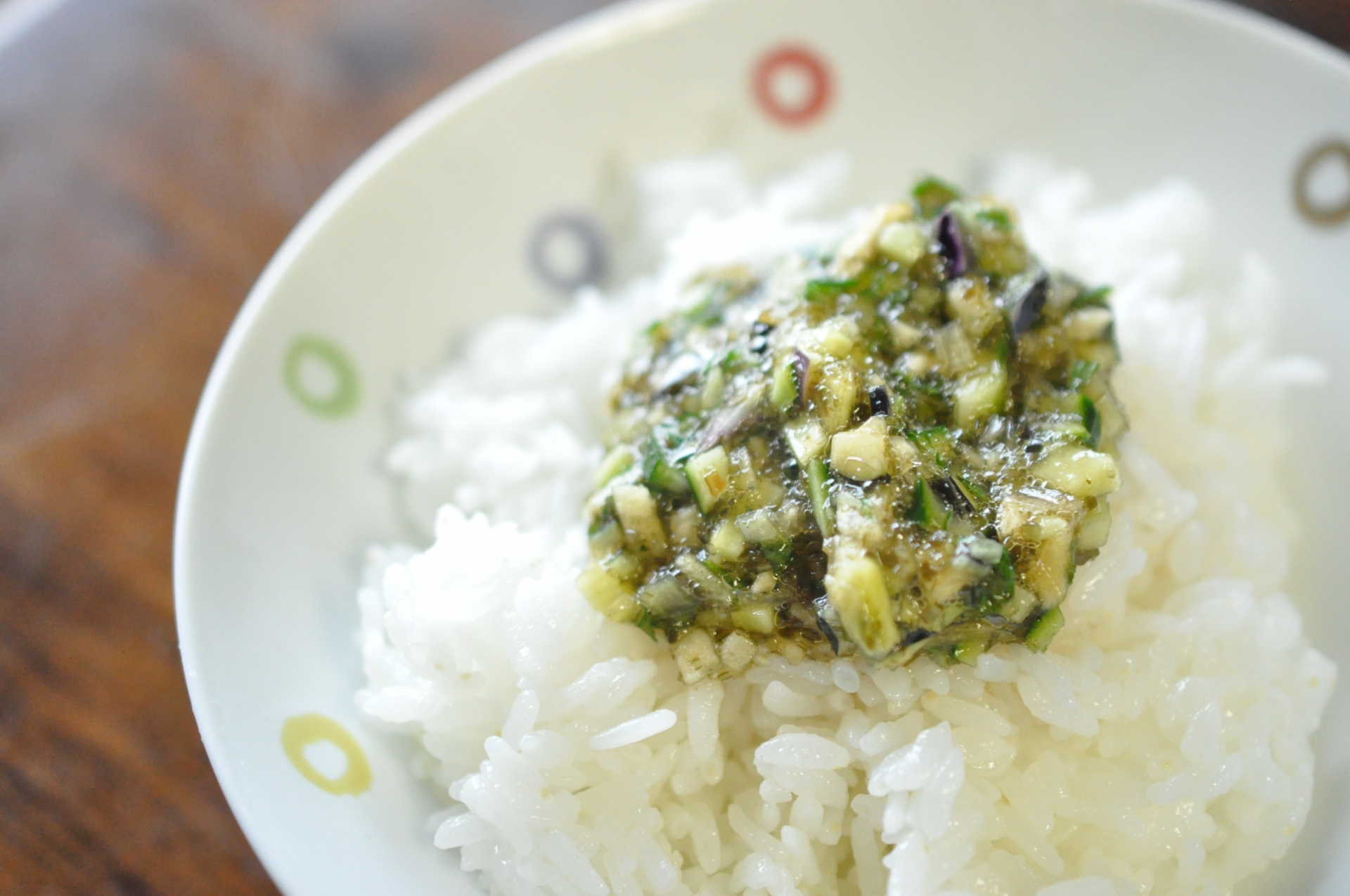
In summer, finely chopped cucumber and eggplant mixed into Dashi add refreshing flavor to the table. In autumn, the slightly bitter edible chrysanthemum Mottenohoka brings seasonal color.
Yamagata is also known for its wide variety of seasonal pickles: crisp Omi-zuke and Akakabu-zuke prepared for winter, and the spicy Pechora-zuke. Each enhances the flavor of rice, making it hard to stop eating.
Heartwarming Local Soups
Natto-jiru, a thick soup made by grinding natto into a smooth paste, and Kandara-jiru (also called Dongara-jiru) from the Shonai region are winter favorites. And of course, Imoni remains one of Yamagata’s most cherished communal dishes.
Unique Local Ramen Styles Across Yamagata
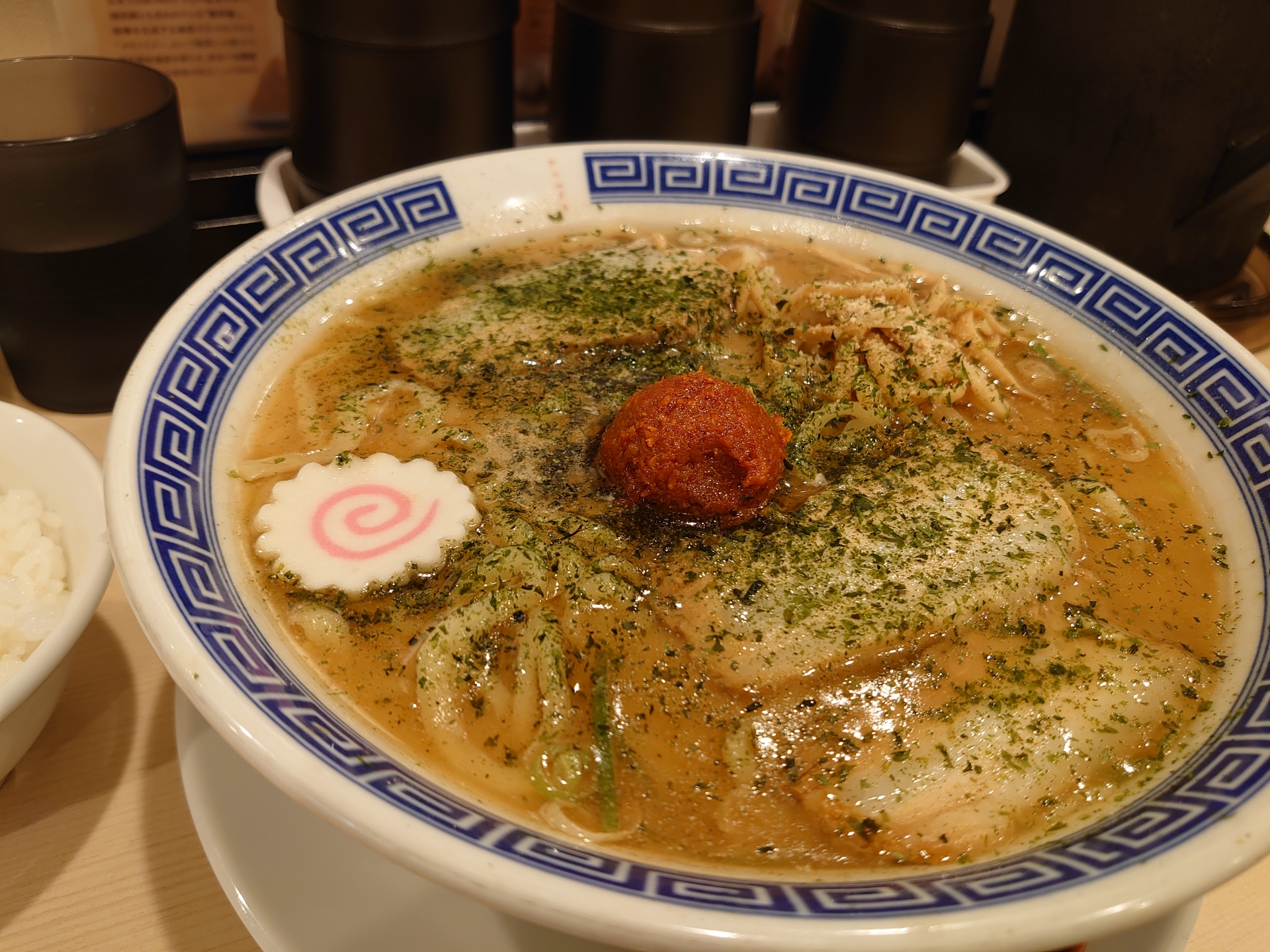
Yamagata is one of Japan’s leading ramen regions, with Yamagata City ranking No.1 nationwide in ramen consumption for four consecutive years. Each area has its own unique flavor profile, and the number of ramen shops per capita is remarkably high.
Murayama Region (Yamagata City Area)
Characteristics: Variety & Unique Evolution
- Mild, slightly sweet broth often made with beef bones
- Home of the famous “Cold Ramen” (Hiyashi Ramen)
- Many dishes influenced by soba culture, such as Tori-Chuka
Mogami Region (Shinjo Area)
Characteristics: Light broth + local ingredients
- Light soup paired with chicken giblets for a distinctive flavor
Okitama Region (Yonezawa, Nanyo)
Characteristics: Classic styles + rich miso varieties
Yonezawa Ramen
- Light soy sauce broth based on chicken stock
- Thin, hand‑kneaded curly noodles
- Easy to enjoy every day
Akayu Ramen (Spicy Miso)
- Rich miso broth topped with spicy miso paste
- Medium-thick curly noodles
- Enjoyable with flavor changes as you mix the spicy paste
Shonai Region (Sakata, Tsuruoka)
Characteristics: Seafood broth × homemade noodles
- Light soy sauce ramen with deep seafood umami
- Extremely high rate of in‑house noodle production
- Famous for thin‑skinned wonton noodles
![[Yamagata, Yamagata City] Chuka Soba Kumo no Ito Akane-ga-Oka Branch | Report of Ramen with Niboshi Soup and Chewy Noodles デスクトップ向け](https://bongheiberg.yamagata.jp/wp-content/uploads/2026/02/IMG_28352-1024x957.jpg)
![[Tendo City, Yamagata] Menya Imajin Leap|A Popular Ramen Shop! Fish-based miso Broth デスクトップ向け](https://bongheiberg.yamagata.jp/wp-content/uploads/2025/09/20260223155236-20260223155236leap1.png)
Yamagata Soul Foods: “Tama Konnyaku” & “Dondon-yaki”
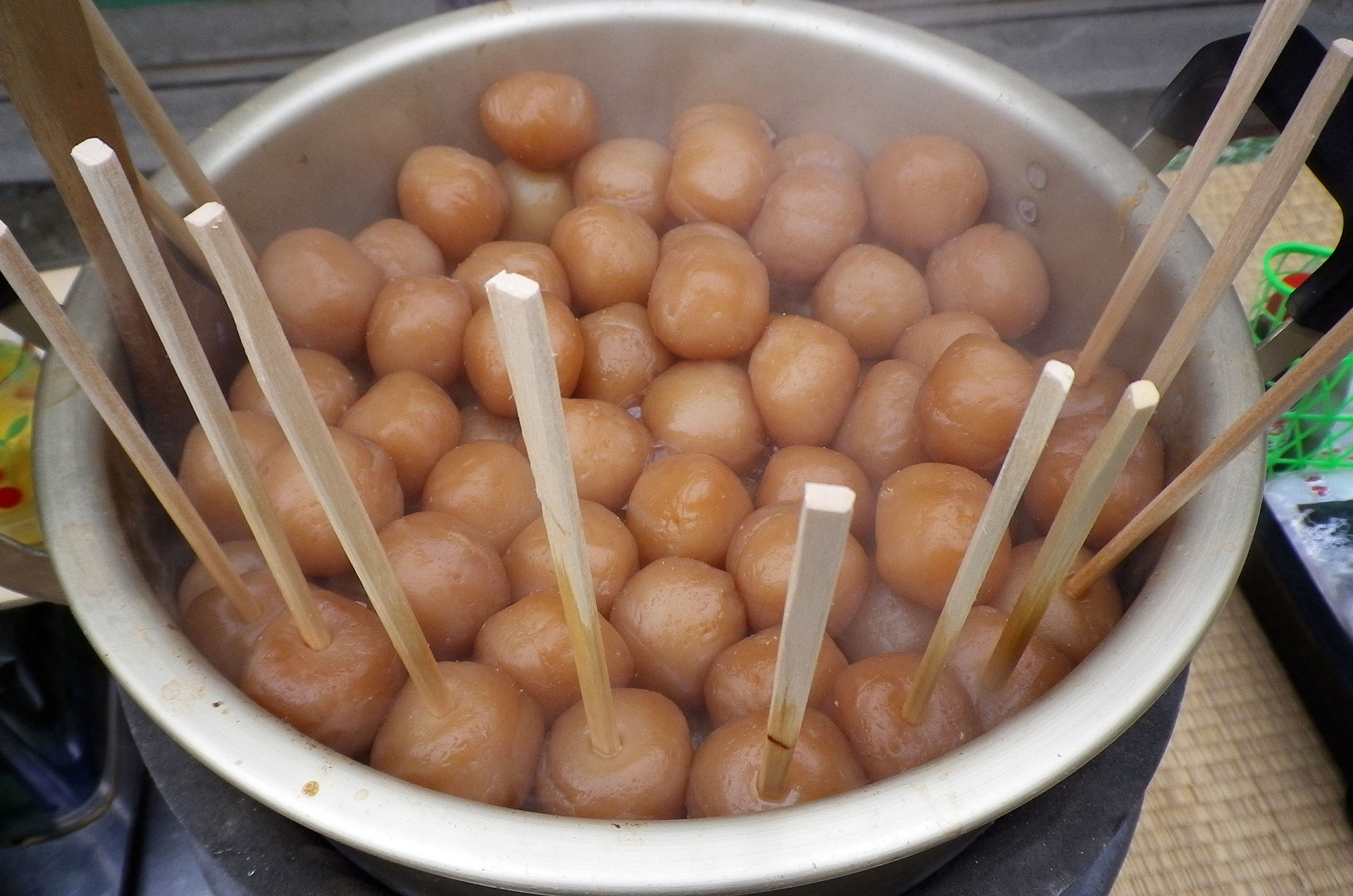
For a quick snack between sightseeing stops, Yamagata’s warm, comforting local foods are perfect. These simple yet nostalgic flavors become memorable parts of your journey.
Tama Konnyaku
Tama Konnyaku, affectionately called “Tama-kon,” is one of Yamagata’s most iconic soul foods. Round konnyaku balls are simmered slowly in a soy-based broth until the flavor soaks deep inside. Served on a skewer and enjoyed hot, they pair wonderfully with a dab of spicy Japanese mustard.
Dondon-yaki
Dondon-yaki is a festival favorite—similar to a rolled okonomiyaki wrapped around chopsticks. Easy to hold and full of savory aroma, it’s a nostalgic, comforting treat.
Kaimochi (Soba-gaki)
Kaimochi is a simple dish made from kneaded soba flour, unique to soba‑loving Yamagata. Its chewy texture and rich buckwheat aroma fill your mouth, and it can be enjoyed with toppings like natto, egoma, or soy sauce.
![[Yamagata, Murayama City] Dondonyaki and Crepe “Konamono Stand KONA☆STA” | Affordable and Extensive Menu! デスクトップ向け](https://bongheiberg.yamagata.jp/wp-content/uploads/2025/09/kona202602231604001-1.png)
“Fruit Kingdom” Yamagata — Proud Producer of Seasonal Fruits
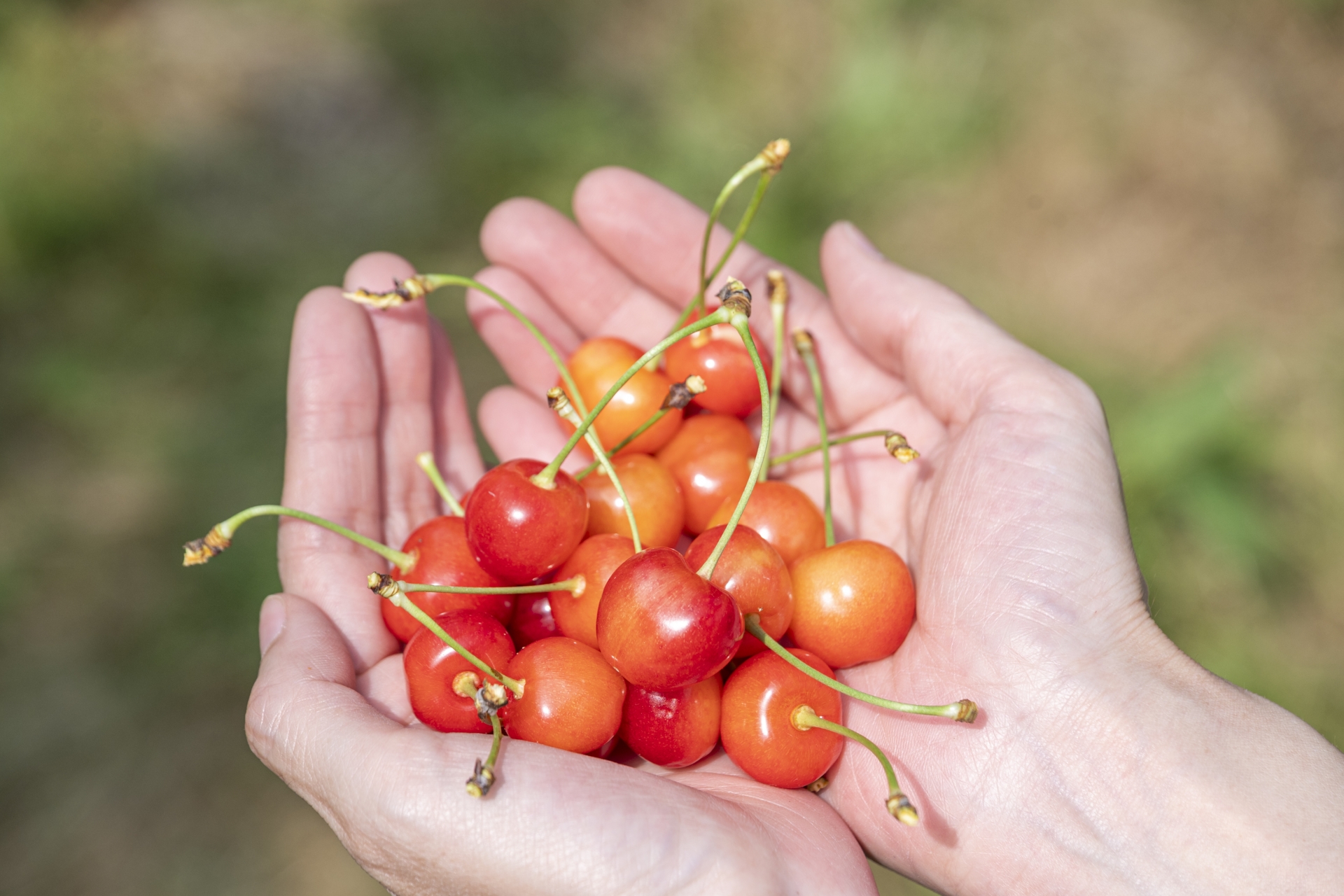
Yamagata is known as the “Fruit Kingdom”, offering delicious seasonal fruits throughout the year. The basin climate, with its large temperature differences between day and night, helps produce fruits with exceptional sweetness.
Many orchards offer fruit‑picking experiences for cherries, grapes, and more. Enjoy freshly harvested fruit while surrounded by Yamagata’s natural beauty—a truly luxurious moment.
| Season | Fruit | Main Producing Areas & Features |
|---|---|---|
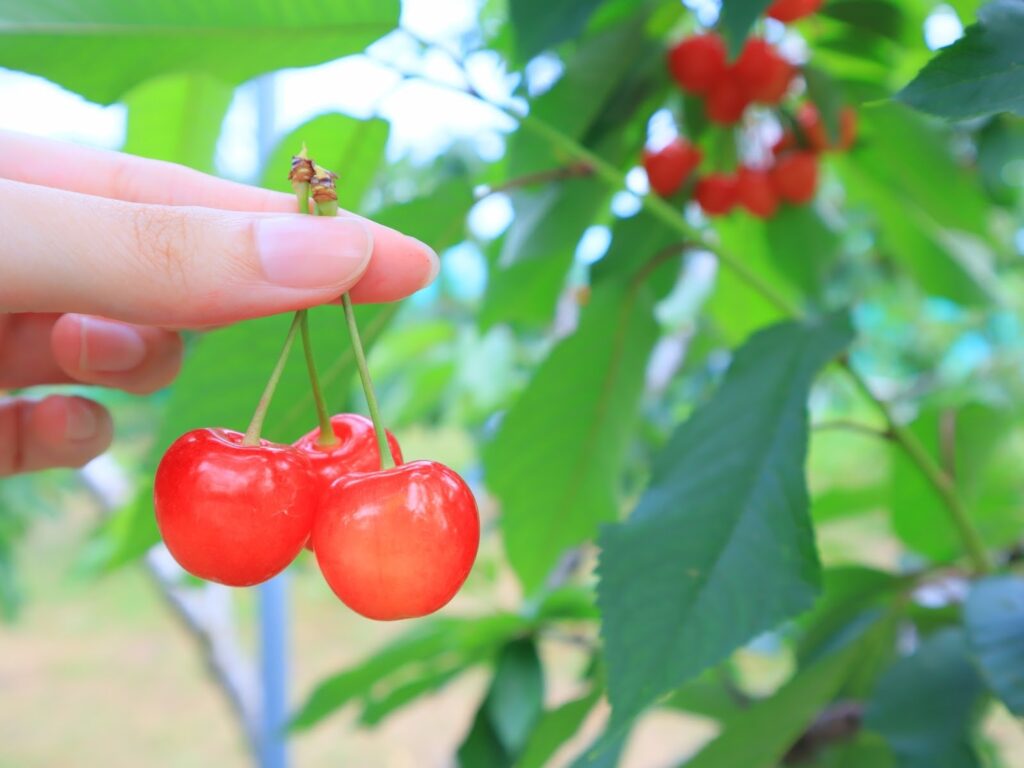
| Early June – Mid July | Cherries | Higashine, Sagae, Yamagata City Japan’s No.1 producer Popular Varieties: Sato Nishiki: Perfect balance of sweetness & acidity Benishuho: Firm, plump texture with mild acidity Yamagata Benio: Debuted in 2023, larger than a 500‑yen coin |
| June – Early August | Melons | Sakata, Tsuruoka, Yuza sand dune areas Rich sweetness & juicy texture |
| Mid June – Late October | Grapes | Yamagata, Tendo, Nanyo, Takahata Japan’s No.1 producer of Delaware Low acidity, rich sweetness |
| July – August | Watermelon | Obanazawa, Murayama, Oishida Large varieties weighing 7–10 kg |
| August – September | Peaches | Yamagata, Sagae, Higashine, Tendo Firm varieties that stay crisp even when ripe |
| Late August – Late December | Kariya Pears | Toyokawa area, Sakata Crisp texture & refreshing juiciness |
| Early September – Early December | Apples | Murayama & Okitama regions High sugar content with plenty of honey core |
| Mid October – Late November | Shonai Persimmons | Tsuruoka, Sakata Sweet, seedless, and square-shaped |
| Late October – Late December | La France Pears | Tendo, Higashine Japan’s No.1 producer Fragrant, melting texture & juiciness |
Summary
Yamagata’s food culture is rich with the blessings of nature and the wisdom of its people. From Imoni and traditional dishes to Yonezawa Beef, local ramen, fragrant soba, and seasonal fruits—each carries the history and character of the region.
Food enjoyed while traveling becomes a gateway to understanding the land more deeply. In Yamagata, you’ll find not only luxurious dishes but also warm, nostalgic flavors that bring comfort to the heart.
When you visit Yamagata, be sure to savor the local flavors along with the scenery and hot springs. Your journey will nourish not only your appetite but also your spirit.

![[Yamagata, Oguni Town / Iide Town] Climbing ‘Kuratesan’ and the ‘Submerged Forest’ of Shirakawa Lake | Be amazed by the huge panorama from Kuratesan and the magical Shirakawa Lake! アイキャッチ](https://bongheiberg.yamagata.jp/wp-content/uploads/2026/05/image2.jpg)
![[Yamagata, Higashine City] Sobadokoro Higashitei|A place near the Higashine sakuranbo station where you can try cold meat soba etc アイキャッチ](https://bongheiberg.yamagata.jp/wp-content/uploads/2026/02/398e9260dd7f4f868180b280bdeb03f8-scaled.jpg)
![[Yamagata, Yonezawa City] Nationally Designated Historic Site ‘Uesugi Family Mausoleum’ | Visiting Report of a Historic Spot Where Uesugi Kenshin and Uesugi Yozan Rest アイキャッチ](https://bongheiberg.yamagata.jp/wp-content/uploads/2026/03/gobyosyo-main-1-scaled-e1773895183538.jpg)
![[Yamagata, Obanazawa City] Stewed Hormone ‘Sasanishiki Shokudo’ | I Went to a Popular Spot That Never Stops Having a Line! アイキャッチ](https://bongheiberg.yamagata.jp/wp-content/uploads/2026/02/5e784e5981a96bbb68dcfef63a84a621-scaled.jpg)
![[Yamagata, Yamagata City] Ofuro Café Yusa | Relaxing and Instagrammable Hot Springs アイキャッチ](https://bongheiberg.yamagata.jp/wp-content/uploads/2025/09/yusa_irigutisyoumen.jpg)