[Yamagata, Sagae City] Yakitori ‘Wakamatsuya’ | Hands-On Report of Skewers and Exquisite Grilled Offal!
2026/05/01 This site contains advertisements. Category: No-category
Sagae City is so well‑known for its yakitori that people often say “Sagae Yakitori.” Many long‑established yakitori shops line the streets, and one of the defining features is that many of them serve yakitori made with pork offal. Horumon‑yaki is an essential part of Sagae yakitori culture.
This time, I visited Wakamatsuya, a beloved local yakitori spot that has been cherished by regulars in Sagae City for many years. It’s a must‑visit when talking about Sagae’s food culture.
What Is Sagae’s Famous “Sagae Yakitori”?
Sagae Yakitori is said to have spread throughout the city around the mid‑1950s, beginning with a single shop. Today, it is a beloved B‑grade gourmet specialty representing Sagae City. Its defining traits are yakitori made mainly with pork offal, the generous size of each skewer, and the affordable price—usually around 150 yen per skewer. Skewers such as sagari and liver are grilled to perfection with salt or tare, and the more you chew, the more the rich flavor of pork offal spreads.
Essential Supporting Cast: “Pork Trotters” and “Nikomi”
Alongside yakitori, pork trotters and nikomi are indispensable. Enjoying them while waiting for your yakitori to finish grilling is part of the unique Sagae yakitori experience. Pork trotters are often simmered until tender with a light salt seasoning, while nikomi typically features pork or beef offal simmered with root vegetables in a miso‑based broth. Each shop has its own flavor, making it fun to compare the differences.
The History and Roots of Sagae Yakitori
Sagae yakitori began around the mid‑1950s, when a shop owner who had trained at a yakitori restaurant in Yamagata City opened his own place. It is said that its roots trace back to the offal‑grilling culture of Asakusa. At the time, fresh pork offal was easy to obtain in the area, and its compatibility with local sake helped it spread among residents. Even today, the tradition continues, and Sagae yakitori remains a beloved part of the city’s food culture.
One of the places where you can enjoy authentic Sagae yakitori is the shop I visited this time: Wakamatsuya.
What Kind of Place Is Wakamatsuya, Marked by Its Red Lantern?
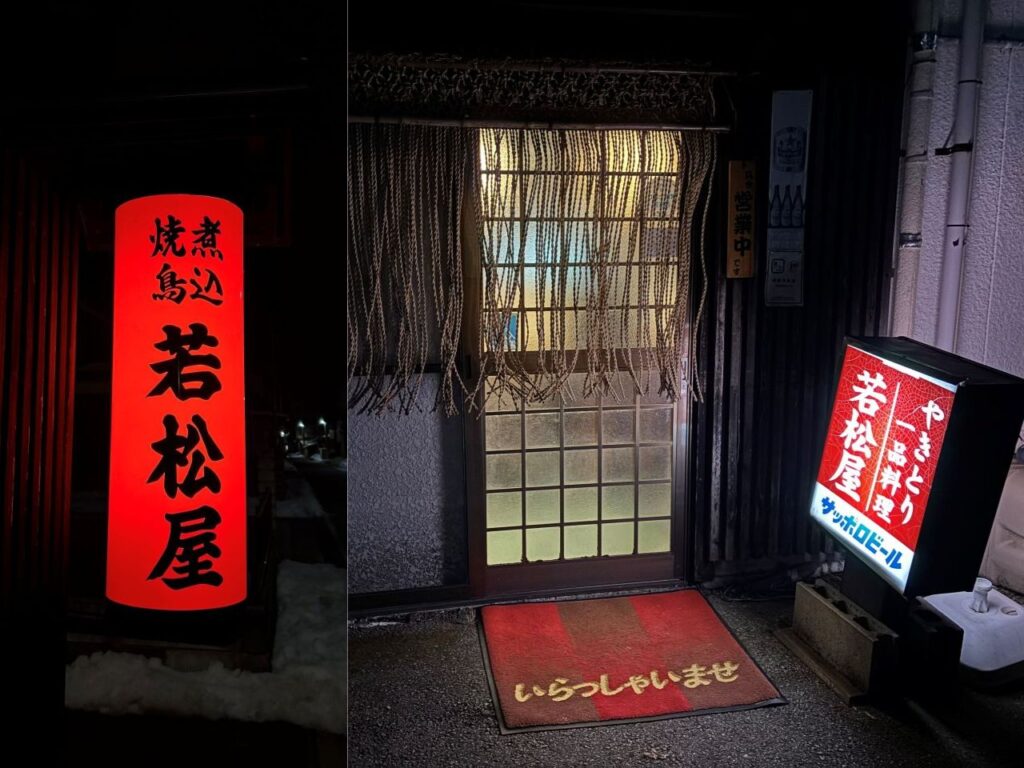
The shop I visited is Wakamatsuya, located in the Nishine area on the Kahoku side of Sagae City. As you drive along the old road at dusk, with only a few streetlights around, a red lantern suddenly appears within the residential neighborhood. That warm glow marks the entrance to Wakamatsuya, a hidden gem known among locals. Even first‑time visitors will find it easily thanks to the lantern.
When I called to make a reservation, I could already hear lively laughter in the background—proof of how popular the place is. I was able to secure a counter seat, and as I stood at the entrance, the aroma of yakitori grilling over charcoal drifted outside, raising my expectations even more.
A Bright, Lively Interior Filled with Laughter
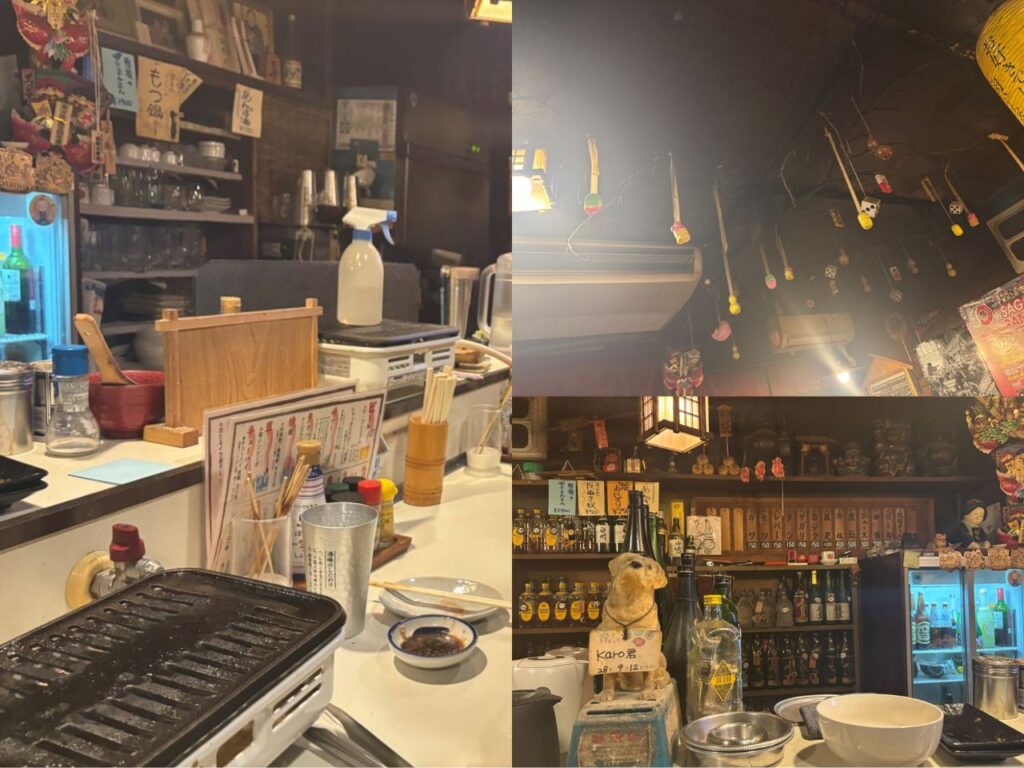
The interior is always lively, filled with constant laughter. With about 15 seats total—counter plus a small raised tatami area—the cozy space feels welcoming. The tatami area fits around eight adult men at most.
Since it’s a popular shop, getting a seat by simply walking in is pure luck. If you want to be sure, making a reservation is recommended. Smoking is allowed inside.
What’s on the Menu at Wakamatsuya? Tasting Report!
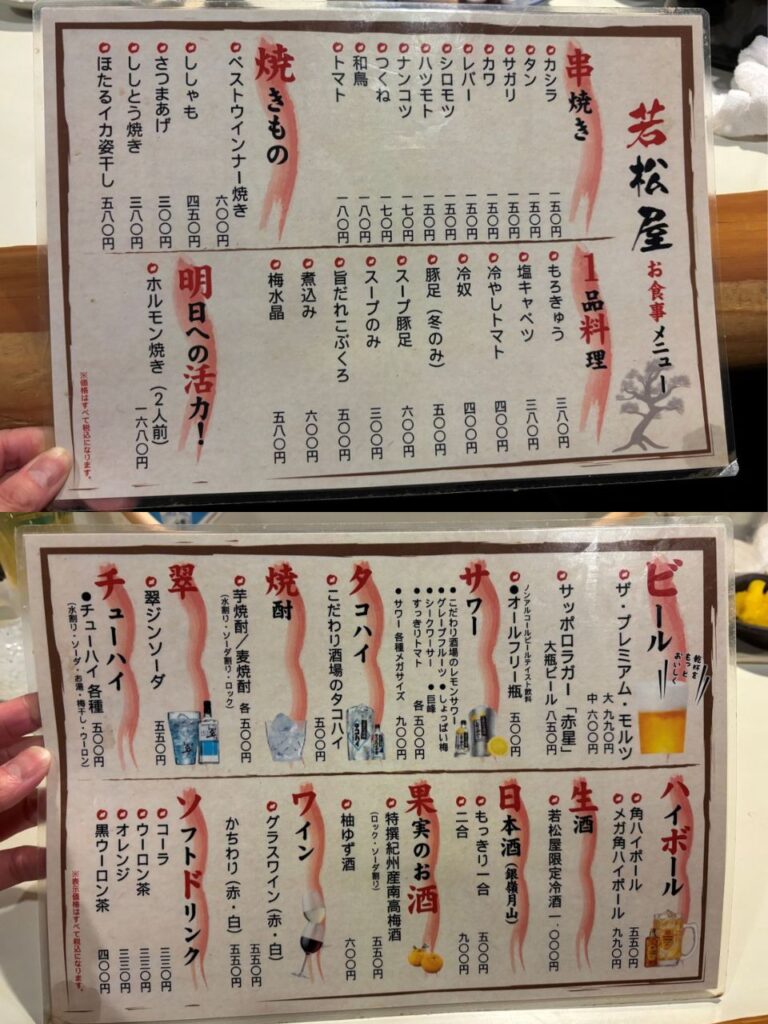
Wakamatsuya’s menu centers around Sagae Yakitori–style pork offal skewers, along with a variety of dishes that pair perfectly with drinks.
Some customers ordered verbally, but each table has a pen and order sheet. I ordered drinks verbally, but for skewers and dishes, it’s best to write them down and hand the sheet over. I forgot to take a photo… probably because I hadn’t had a drink in a while (laughs).
Starting Off with a Cold Draft Beer!
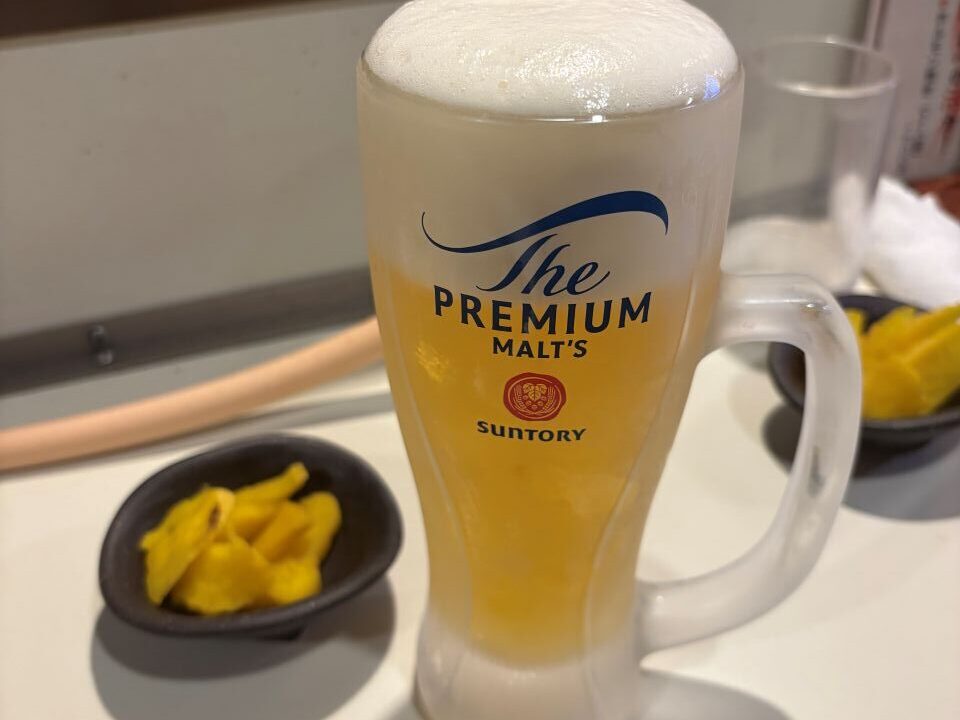
Once the order was placed, I toasted with a cold draft beer and the pickled takuan served as an appetizer. Ahh—although I don’t usually drink much, the aroma of yakitori grilling over charcoal made me reach for the glass again and again.
Ordering Four Types of Skewers
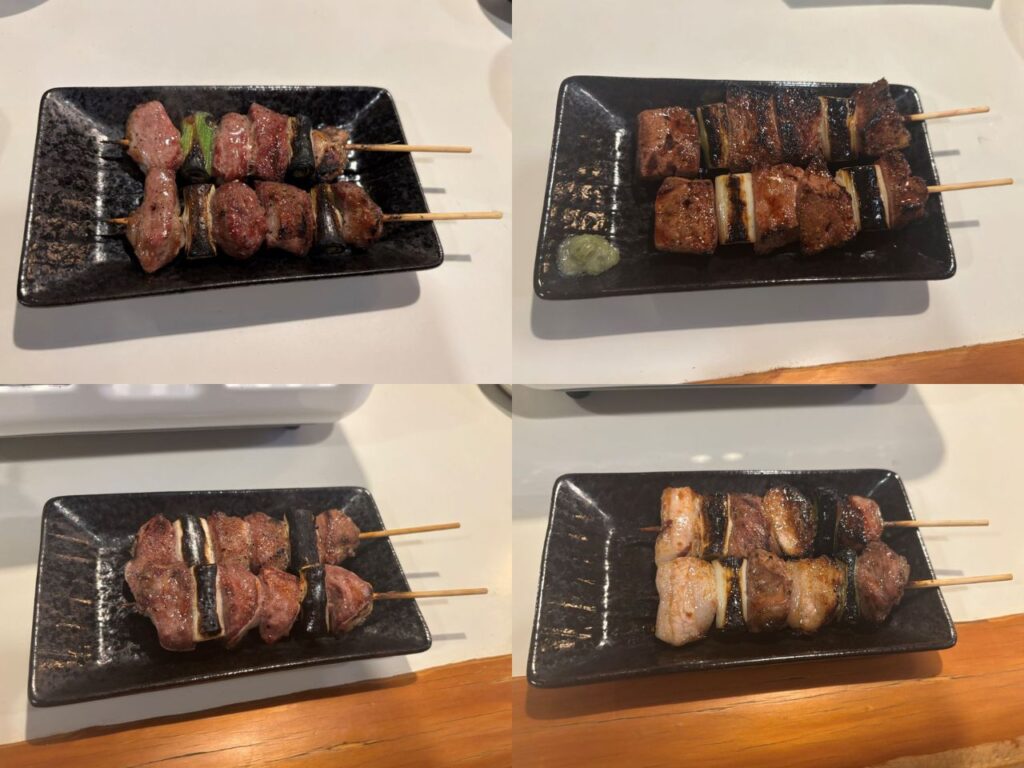
The delicious‑looking skewers arrived! This time, I ordered four types: clockwise from the top—Sagari (salt), Liver (tare), Kashira (tare), and Tongue (salt).
I asked the proprietress to season them as she recommended. The wasabi on the liver pairs perfectly! The texture is crisp at first bite, and the umami deepens as you chew. These four skewers were my warm‑up.
A Must‑Try Dish! The Exceptional “Horumon‑yaki”
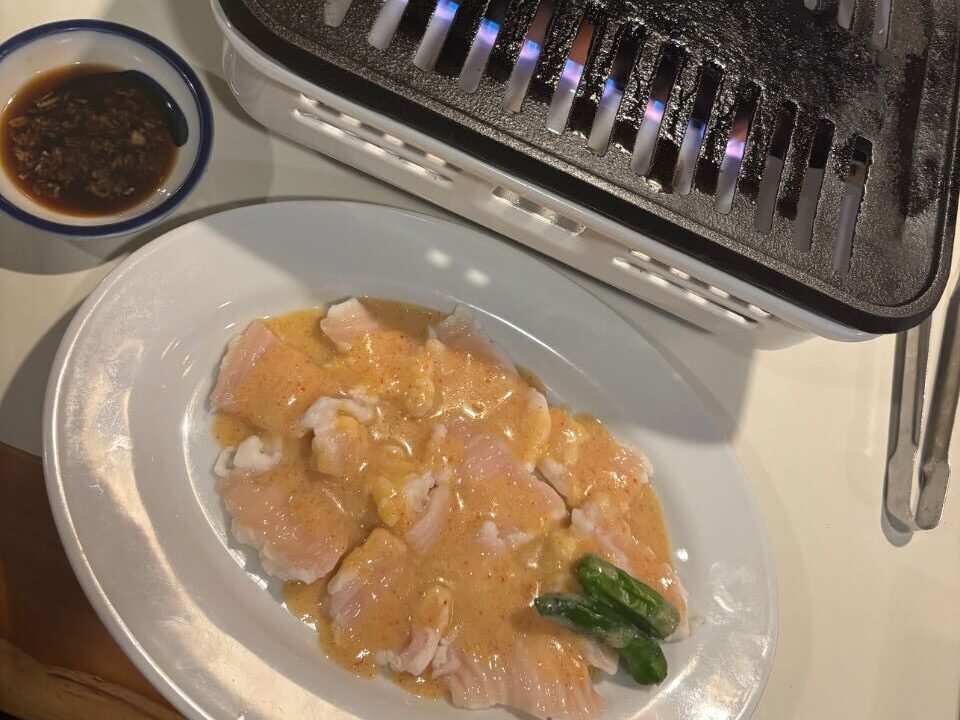
Next, I tried the shop’s “hidden specialty,” the Horumon‑yaki!
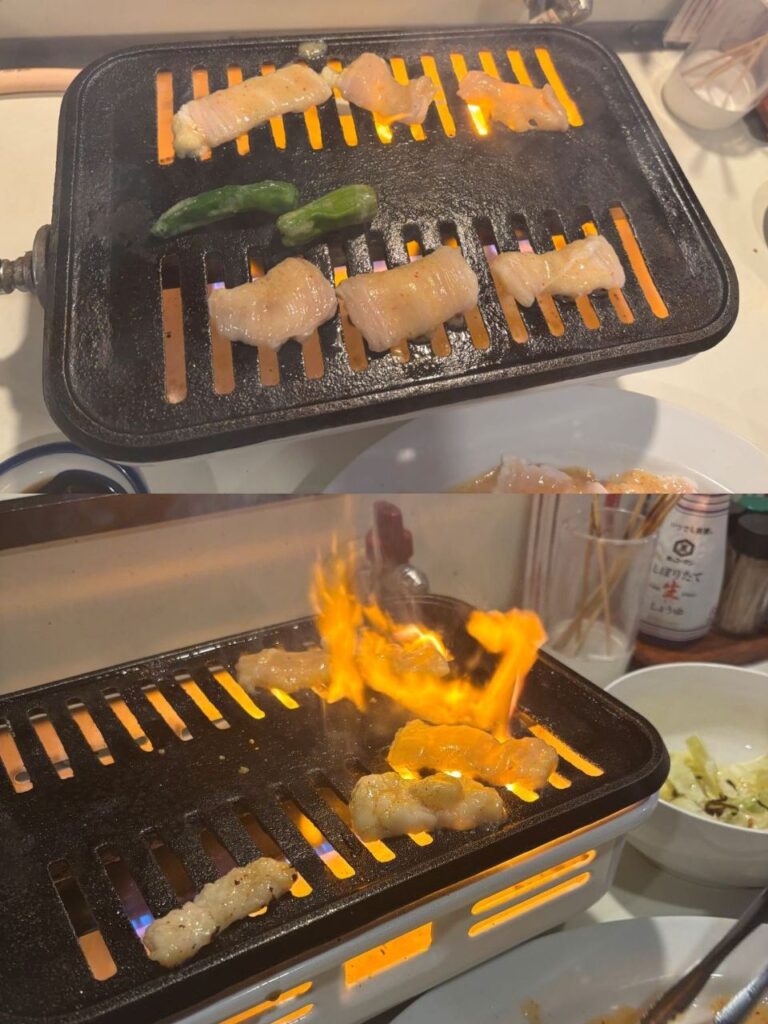
Everyone around me kept saying things like “I ordered more!” and “I want to eat it again,” yet I had never tried it myself. So this was finally my long‑awaited first taste of their horumon‑yaki!
Every table seemed to order it, and I heard “More horumon, please!” several times. You can choose garlic or ginger for the soy‑based dipping sauce. I chose garlic, and the aroma lingered until the next day—which is part of the charm.
The outside is beautifully charred, while the inside has a plump, springy texture. The more you chew, the more the sweetness of the fat and rich umami spread, making it impossible to stop eating. The sweetness of the fat is just incredible.
Please be careful, as the flames may flare up.
Side Dishes
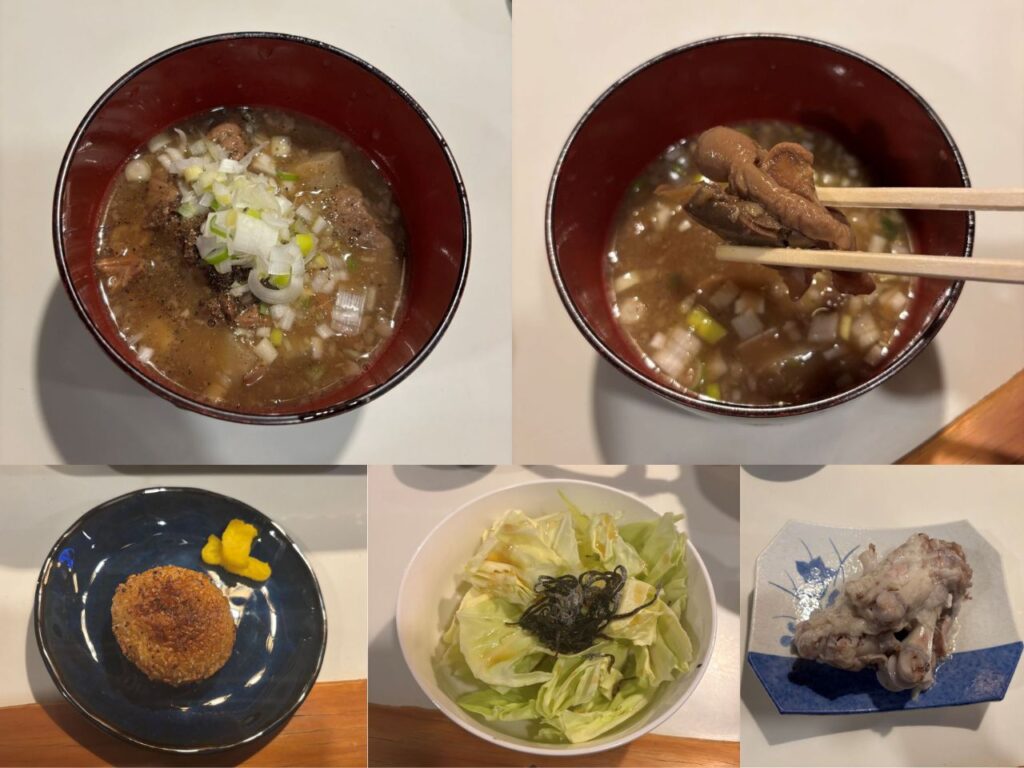
I tried several other dishes as well!
The nikomi is miso‑based, but the pepper adds a sharp kick. Tender offal is simmered with konnyaku and root vegetables. It tasted like it would pair wonderfully with Chinese noodles.
Salted cabbage is perfect for refreshing your palate—it resets everything nicely.
The pork trotters are melt‑in‑your‑mouth tender with no odor, seasoned well with salt, but also delicious with a splash of soy sauce. The correct way to eat pork trotters is to really dig in and savor them.
To finish, I had a grilled rice ball. Charcoal‑grilled onigiri has an irresistible aroma, crispy on the outside and fluffy inside—an ideal way to wrap up the meal. There were still many dishes I wanted to try, but I was absolutely stuffed. I definitely want to visit again!
Basic Information About Wakamatsuya
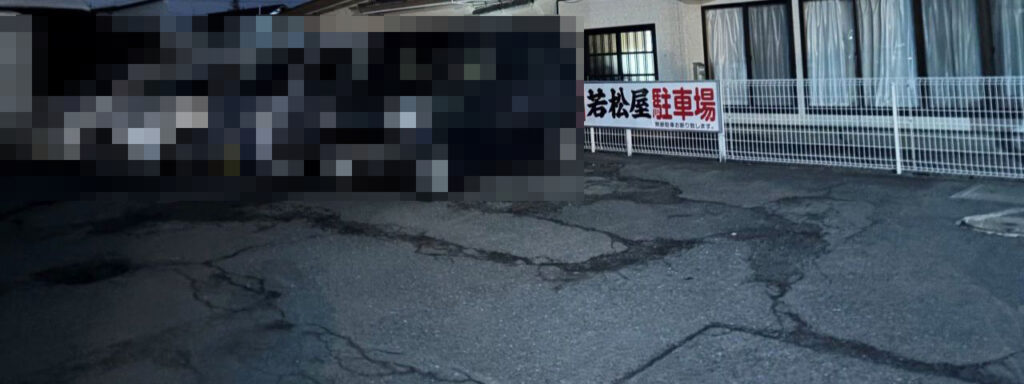
Yakitori Wakamatsuya is about a 17‑minute walk or a 4‑minute drive from Sagae Station.
There is a parking lot next to the shop, but if you plan to enjoy drinks, please use public transportation or a driving service so you can relax safely.
| Spot Name | Yakitori Wakamatsuya |
|---|---|
| Phone Number | 0237-86-3354 |
| Business Hours | 17:00–22:00 (Last order 21:30, grilled items until 21:00) |
| Closed | Sundays and national holidays |
| Address | 991-0021 1-16-18 Chuo, Sagae City, Yamagata Prefecture |
| Access | 4 minutes by car / 17 minutes on foot from Sagae Station |
| Parking | Available next to the shop |
| Official Website / SNS | – |
Summary
Wakamatsuya is a classic yakitori shop wrapped in the warm glow of a red lantern, smoky charcoal aroma, and lively laughter. It’s the perfect place for anyone who wants to enjoy delicious yakitori and drinks. Savoring each skewer while surrounded by lantern light and charcoal smoke was truly wonderful.
Be sure to try their signature horumon‑yaki as well. Enjoying even the rising smoke is part of the Sagae yakitori experience.
With the rich flavor of pork offal—so characteristic of Sagae yakitori—and its relaxed, unpretentious atmosphere, Wakamatsuya feels nostalgic even for first‑time visitors.