

Summary of Bear Sightings in Yamagata | Latest Situation and Countermeasure Guide with City and Town Links and Observation Maps
2025/12/24 This site contains advertisements. Category: bear
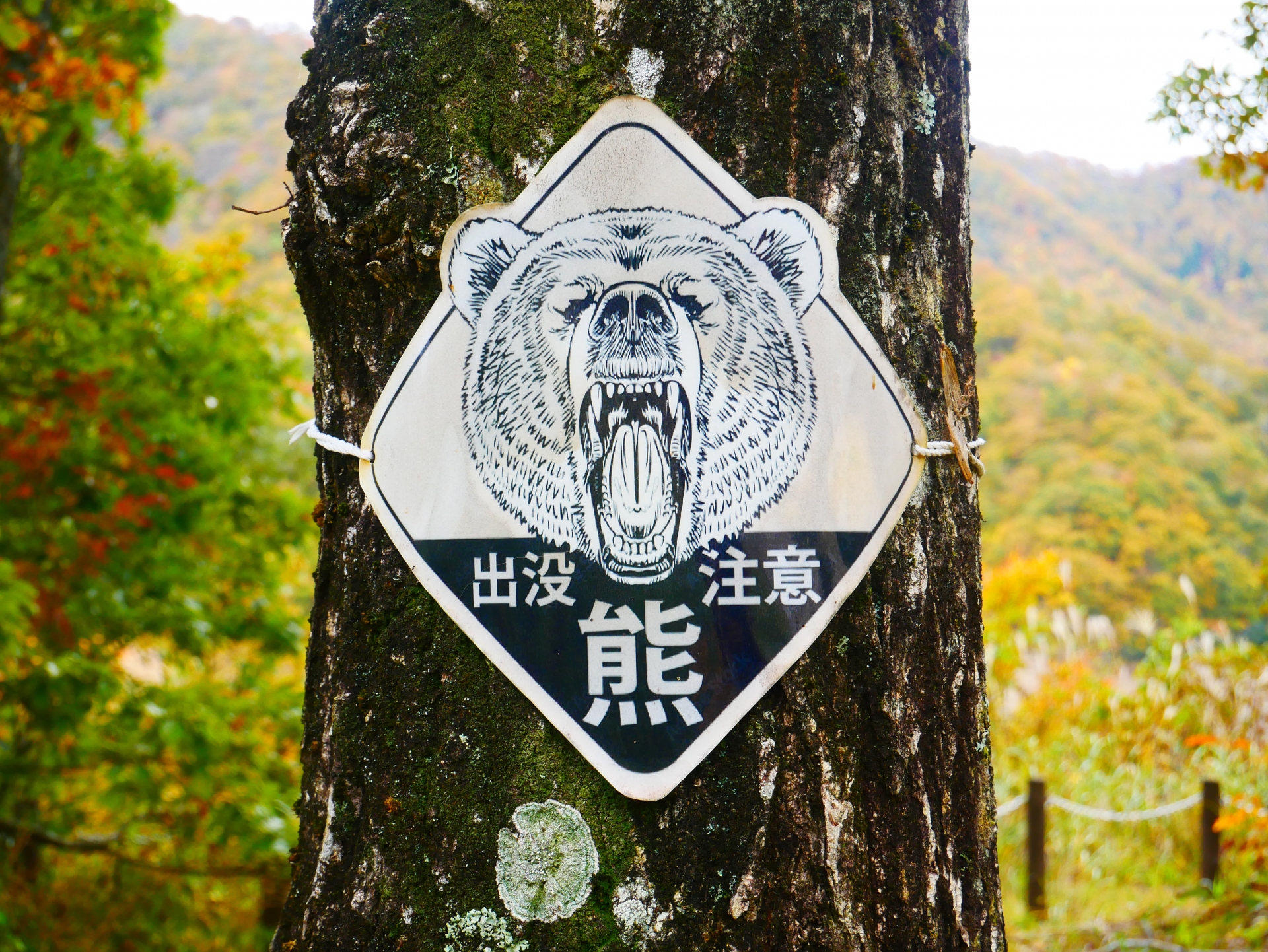
In Yamagata Prefecture, the number of sightings and appearances of bears (Asiatic black bears) has been rapidly increasing in recent years. From early spring to autumn, bears are frequently observed not only in mountainous areas but also around residential neighborhoods and farmlands, making it necessary for both residents and tourists to be vigilant. This article summarizes bear sighting information in Yamagata Prefecture by municipality and also includes a link to the prefecture’s official map, “Yamagata Kuma Map.” It addresses questions such as “Which areas have frequent appearances?”, “Where can I check the latest information?”, and “How should I respond if I encounter a bear?” To protect the safety of residents, it is important to accurately understand the latest bear information and take appropriate precautions.
Rapid Increase in Bear Sightings in Yamagata Prefecture! Overview and Recent Trends
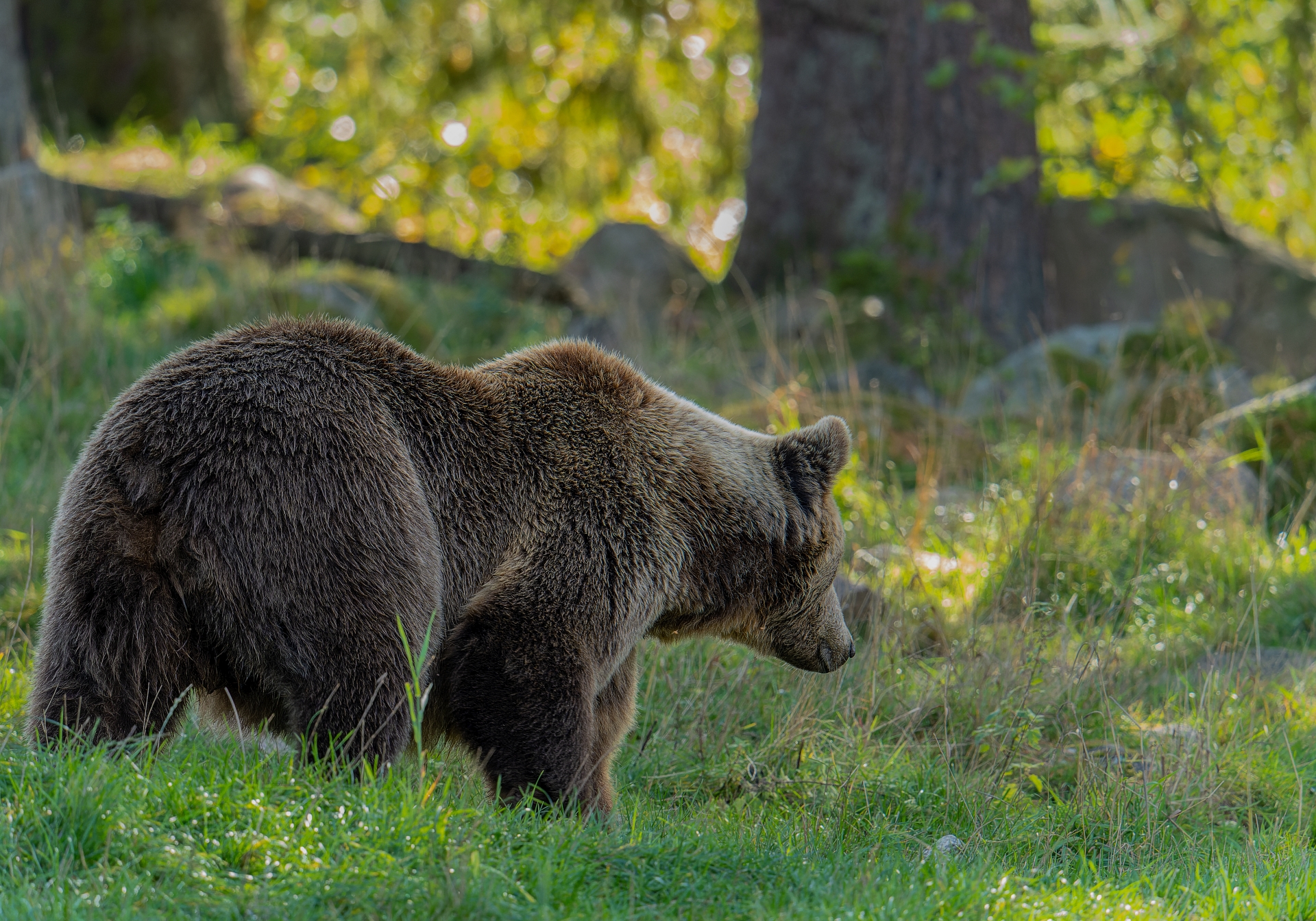
In Yamagata Prefecture, sightings of Asian black bears have been rapidly increasing, and the area is gaining nationwide attention as a “region with frequent bear appearances“. Particularly in 2025, the number of occurrences reported throughout the prefecture reached record levels, and in July 2025, Yamagata Prefecture strengthened its alert system by issuing a “bear sighting warning” for the entire prefecture.
Spring and autumn are especially active periods, and sightings are increasing not only in mountain areas but also in residential zones and farmlands. Therefore, it is important for residents, as well as people visiting for hiking or tourism, to check the latest sighting information. Here, we will take a detailed look at recent sighting numbers, the trends in human injuries, and the issuance of cautionary alerts.
Trends in Sightings and Human Injuries
In Yamagata Prefecture, the number of appearances of Asian black bears is rapidly increasing. In particular, in 2025, more than 2,700 sightings were reported across the entire prefecture from January to mid-December, which is more than eight times the 348 sightings reported the previous year, making it one of the highest figures in the past 10 years. (Source: Yamagata Prefecture Official Website Japanese only)
In the background, there are factors such as a lack of food like beech nuts and acorns, and the expansion of habitats due to climate change, and cases are increasing where they are spotted not only in mountainous areas but also near urban areas.
There have also been confirmed incidents of harm to people, with accidents causing minor and serious injuries occurring in multiple regions.
Due to such abnormal situations, the prefecture and local governments are strengthening warnings more than in usual years.
Status of Warnings and Alerts for Appearances
In Yamagata Prefecture, advisories such as “Bear Sighting Caution” and “Warnings” may be issued mainly in spring and autumn.
In particular, in 2025, a “Frequent Bear Sighting Warning” was issued across the entire prefecture, and widespread alerts were carried out through news and disaster prevention emails.
Individual municipalities also issue their own caution information, and the latest situation can be checked through official websites and disaster prevention radio broadcasts.
Recently, the use of digital disaster prevention tools, such as “Yamagata Kuma Map“, which allows visualization of sighting locations on a map, has become widespread, contributing to raising residents’ safety awareness.
Main Causes of Increased Bear Sightings and Seasonal Fluctuations
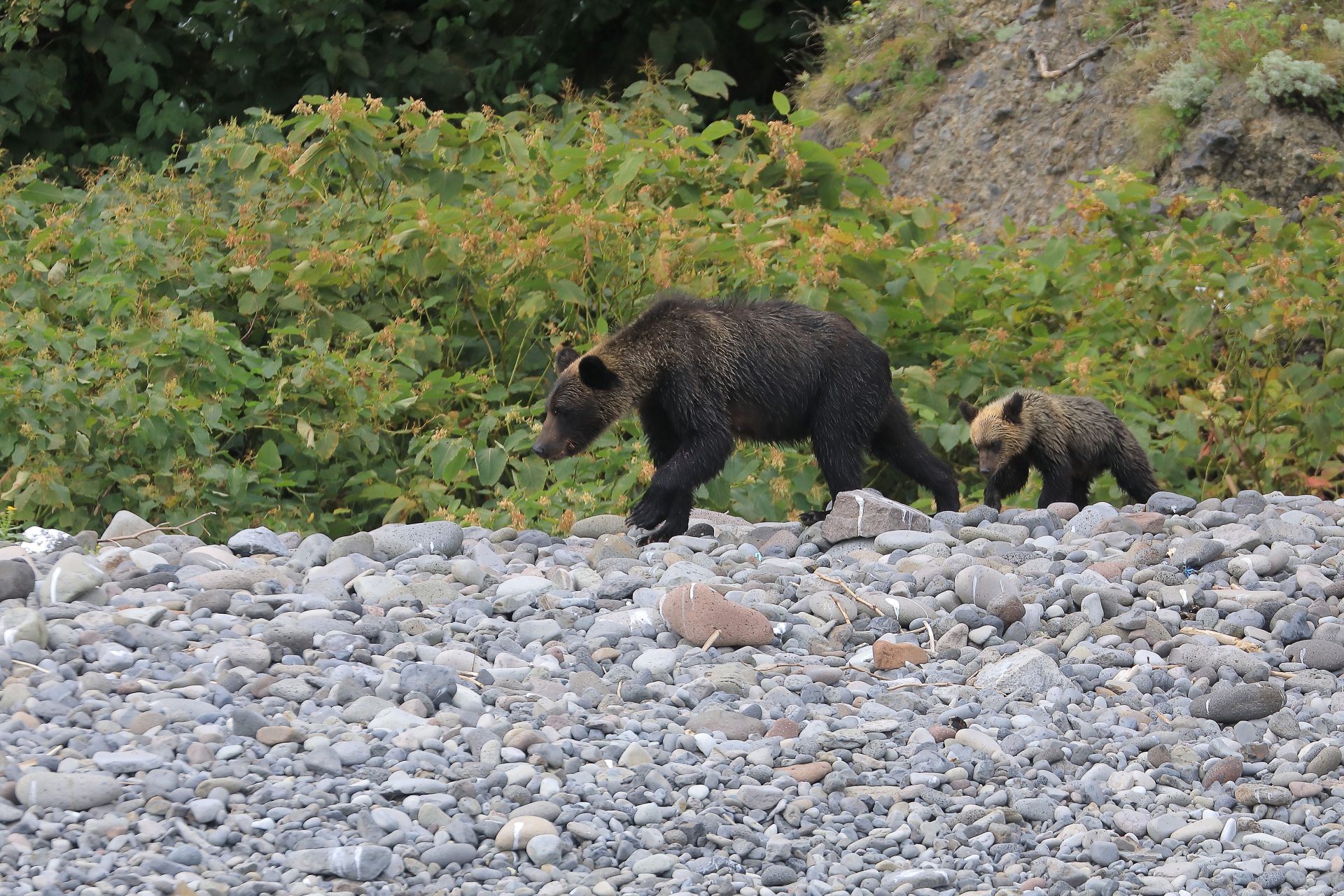
In recent years, the reason why bears have begun appearing in human living areas is deeply related to changes in the natural environment and seasonal behavioral characteristics. Here, we will clearly explain the main causes of increased bear sightings along with the risk of damage that changes by season.
Decrease in Food Resources and Intrusion into Orchards and Residential Areas
The biggest factor contributing to the increase in bear sightings in Yamagata Prefecture is the decrease in food resources in the mountains. In particular, in years when beech and sawtooth oak nuts (acorns) are poor, bears tend to come down to human-inhabited areas in search of food.
In fact, a survey by the Tohoku Regional Forest Office showed that in 2025, in Yamagata, Aomori, Iwate, Miyagi, and Akita Prefectures in the Tohoku region, there was a survey result indicating that beech nuts experienced a very poor yield. (Reference source :Tohoku Regional Forest Office「Regarding the fruiting status of beech trees in Fiscal Year 2025」)
In addition, in the Shonai and Murayama areas, incidents of intrusion into orchards (such as apples and La France pears) have been occurring frequently, and it is being recognized as a problem that human living areas and bear habitats are increasingly overlapping.
Furthermore, the reduction in snowfall due to global warming is also having an impact, and there have been confirmations of bears that do not enter hibernation, as well as bears that continue to be active during the winter. Cases are also increasing where human-provided food, such as garbage or crop residues near residential areas, attracts bears; once an individual bear has learned the location of human food, it tends to appear there again due to learned behavior, making it necessary to implement measures across the entire community.
Seasonal Risks of Bear Incidents: Spring to Fall & Winter
Bear appearances and incidents occur throughout the year, but their risks vary greatly depending on the season. By understanding bear ecology and behavioral patterns, it becomes possible to identify periods of higher encounter risk and points that require caution.
Below, we have summarized the characteristics of bear damage and points of caution by season from spring to winter.
- Spring (April–June): This is the period when bears become active after hibernation, and the risk of encountering mother bears with cubs is especially high.
- Summer (July–August): Sightings are relatively fewer, but since this is a busy time for mountain vegetable foraging and hiking, caution is required when in the mountains.
- Autumn (September–November): This is the ‘food accumulation period’ before hibernation, making it the season with the highest number of bear appearances during the year.
- Winter (December–March): Normally the hibernation period, but bears continuing activity have been observed due to warm winters.
In particular, since 2024, trends have been reported that the fewer the snowfall, the more frequent bears appear in urban areas, resulting in a situation where “being winter does not mean safety”. (Source: Yamagata Prefecture “Bear Appearance Alert in Effect” official page, Ministry of the Environment Wildlife Countermeasure Materials)
Bear Appearance Information Link Collection
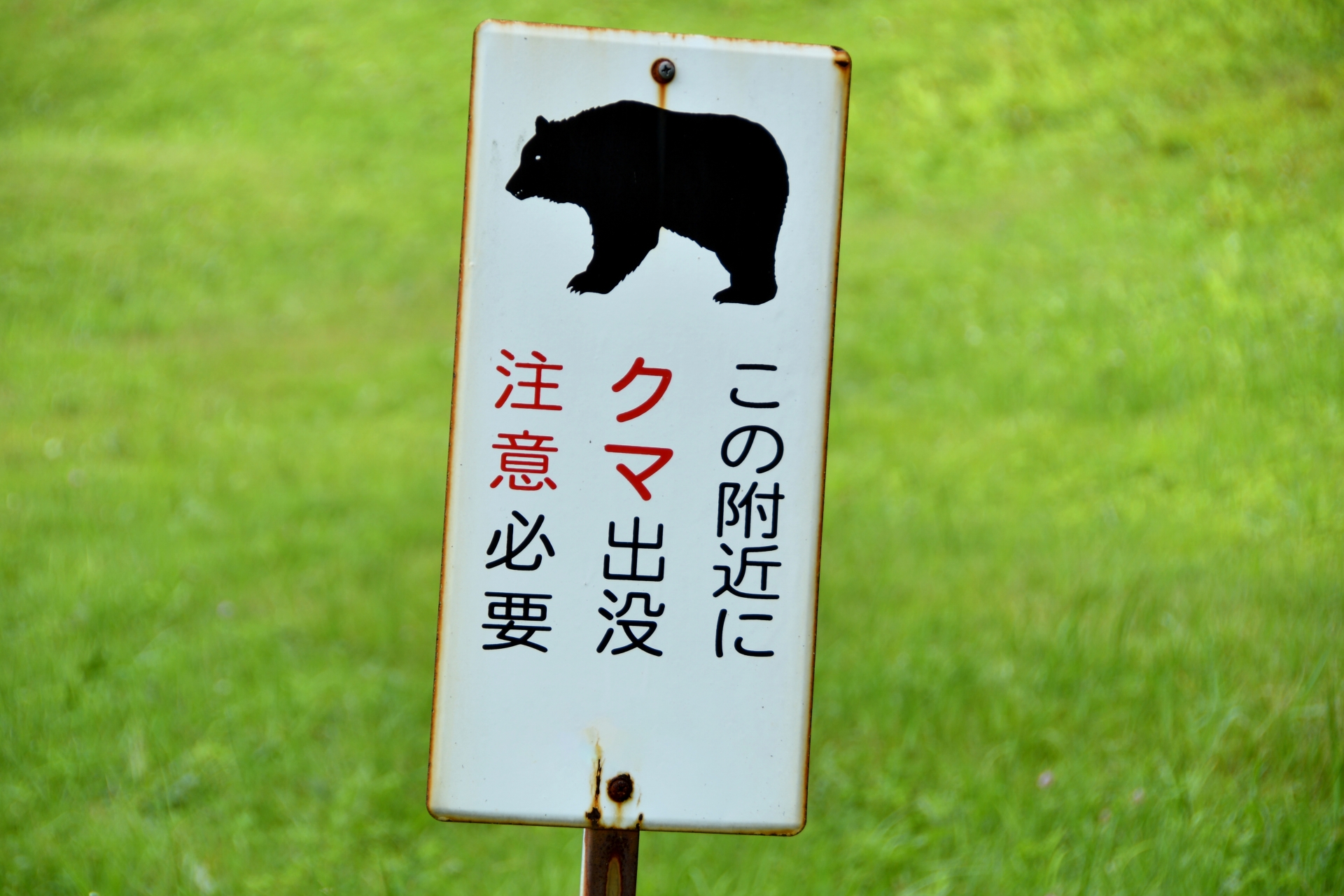
Bear Sighting Status varies greatly depending on the region, so it is important to check the latest information for each municipality. Each local government regularly updates maps summarizing sighting information, warnings, and sighting locations. Before going out, hiking, or doing farm work, be sure to check information about your area and surrounding regions. Below is a compilation of links to bear sighting information pages published by major municipalities in Yamagata Prefecture, so please make use of them.
- Yamagata Prefecture ‘Latest Bear Sighting Map ~ Yamagata Kuma Map 2025 ~’」 — Prefecture-wide sighting location map
- Yamagata Prefecture ‘Information About Bears’ Page — Number of sightings, warnings, and figures by municipality
- Yamagata City ‘Beware of Asiatic Black Bears!’ (Appearance Status Map)
- Tsuruoka City ‘Bear Sightings Information for Fiscal Year Reiwa 7’
- Sakata City ‘Bear Sighting Information for Fiscal Year Reiwa 7’
- Kaminoyama City ‘Beware of Asiatic Black Bears (Sighting Map)’
Specific Measures and Precautions to Avoid Encountering Bears
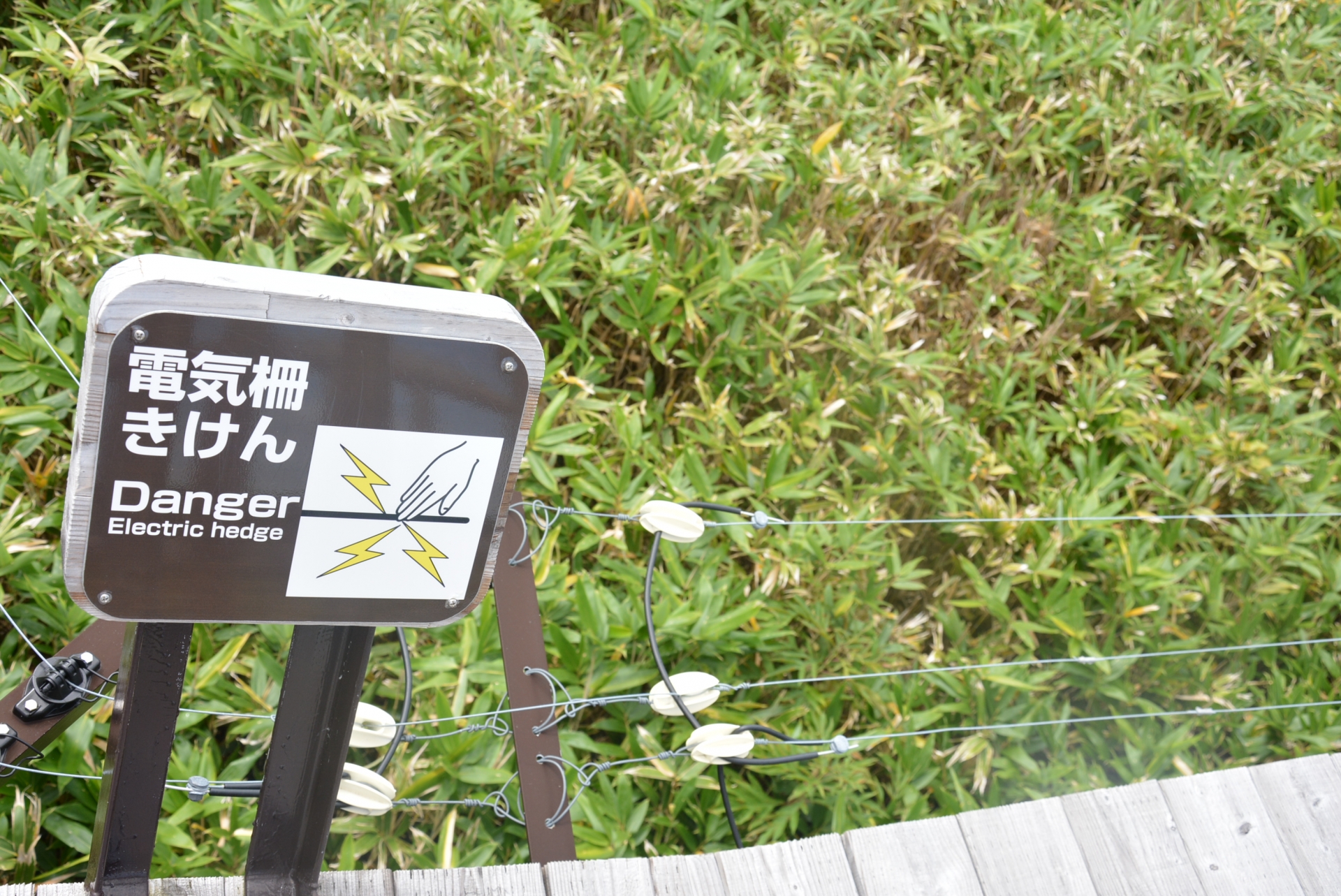
Amid frequent sightings of bears in inhabited areas, the most effective safety measure is to “take measures to avoid encounters.” In Yamagata Prefecture, the number of bear appearances increases every year from spring to autumn, particularly around orchards and hiking trails.
Bears are naturally docile animals, but if they are startled or approached while with their cubs, there is a risk that they may attack in self-defense. Therefore, whether hiking, working in agriculture, or in daily life, it is important to create an environment that keeps bears away and to know how to act if you encounter one.
Here, we provide a detailed explanation of precautions according to hiking, orchard work, and residential areas, as well as actions to prevent harm.
Precautions during Hiking, Forestry Work, and Orchard Work
When entering mountains or orchards, letting bears know that there are people is the most effective preventive measure. In addition to walking while ringing bear bells or playing a radio, move while calling out to each other in areas with poor visibility, such as thickets or along streams.
In particular, avoid going alone, and it is safer to refrain from entering the mountains in the early morning or evening when bears are most active.
Also, in orchards and fields, fallen fruits, residues, feed, and food waste can attract bears. It is important not to leave such “strong-smelling items” unattended and to dispose of them promptly after work.
Even in Yamagata Prefecture, warnings are issued to “make noise to let people know their presence in areas with many sightings” and to “refrain from unnecessary nighttime outings.”
Preventive actions in residential areas, orchards, and urban areas
Bears can appear not only in the mountains but also in residential areas and city districts. It is important to thoroughly secure houses and warehouses, and not leave outside anything that could attract them, such as fruit from garden trees, pet food, kitchen scraps, or the lingering smell from barbecues.
Also, by cutting the grass on your property and ensuring a clear line of sight, you can create an environment that is less inviting to bears. Don’t forget to share the latest sighting information with your family and neighbors.
In Yamagata Prefecture’s “Yamagata Kumappu (Reiwa 7 Edition)“, you can check bear sightings throughout the prefecture on a map, which is useful for safety checks before going out.
Basics of Bear Repellent Spray
To be prepared for emergencies, carrying bear repellent spray can also be effective. When using it, attach it to your chest or another easily accessible spot, and spray targeting the bear’s face (eyes and nose) from close range.
However, be careful of the wind direction and practice how to use it in advance.
The Ministry of the Environment also recommends in its official manual to “draw it close and spray at the face” and to “become familiar with handling it in normal times.”
Utilizing Electric Fences and Regional Measures
In orchards and livestock facilities, properly designed and maintained electric fences are effective in preventing bear intrusions. The Ministry of Agriculture, Forestry and Fisheries publishes guidelines for safety and installation methods, and introduces specific measures such as the combined use of electric fence nets and weed control sheets, as well as extended fences and other examples.
Additionally, since some regions offer installation subsidies and material support programs, it is a good idea to check with your local government office.
Be Careful of Misinformation and Rumors
On social media and video sites, unverified ‘bear sighting information’ or old reposts can spread easily, sometimes causing confusion in actual field responses. When you come across information, always check the date, location, and whether there is an official announcement, and verify it through reliable sources such as the official Yamagata Prefecture website, municipal disaster information, or ‘Yamagata Kuma Map.’
Spreading incorrect information can delay the response of relevant agencies and cause unnecessary anxiety in areas that are actually safe. “Check first, be cautious about sharing“—this is the first step in protecting the safety of the entire community.
The Dangers of Overrelying on Maps
Map information, such as Yamagata Kuma Map, can be helpful, but it is not万能 (all-purpose). In reality, there are cases where locations with sightings are not marked due to reasons such as “delays in data updates”, “positional errors”, “unreported cases”, and “hidden locations to protect privacy”, meaning the situation on the ground may not match the map exactly. Therefore, a location not being marked on the map does not necessarily mean it is safe, and blindly trusting everything can be dangerous.
When heading to the site, it is important to judge by cross-referencing multiple sources of information such as the latest news reports, local government announcements, and regional broadcasts. In areas like Yamagata Prefecture, where forests and residential areas are close to each other, situations where “it appears safe on the map, but sightings have been reported nearby” are not uncommon. While utilizing the latest maps, always act with the awareness that “you might encounter one” on site, as this ultimately leads to the safest bear precautions.
Response and rescue procedures when affected by bear incidents

When you suddenly encounter a bear or are attacked, the most important thing is to “stay calm and take actions to protect your life.”
In Yamagata Prefecture, bear sightings are increasing in both mountainous forests and residential areas, so anyone could encounter one. Here, we summarize the flow from initial response at the scene to reporting and rescue.
Initial Response When Attacked or Encountering a Bear
The first thing you must never do is run away. Bears can run at speeds close to 40 km/h, so humans cannot outrun them. The basic principle is to back away slowly without turning your back, while watching the bear’s movements, and keep your distance.
If a bear charges at you from a very close distance, and you have bear repellent spray, check the wind direction and spray toward its face and nose.
If you do not have spray, even if you are knocked down, do not give up; lie face down, cover your head and neck with your arms, and curl your body to minimize movement.
The Ministry of the Environment’s guidelines also recommend actions that prioritize protection of the face and head.
Since bears do not remain in an excited state for long, staying still and motionless increases the likelihood that they will go away.
Authorities to contact and organizations to rely on, such as municipalities, police, and hunting associations
Once your safety is secured, immediately report to 110 (police) or the municipality’s environment and nature conservation office.
In Yamagata Prefecture, many municipalities cooperate with the local hunting associations, allowing rapid response, dispersal, and investigation. When reporting, it is important to concisely provide “date and time, location (preferably GPS coordinates from a map app), number of bears, and situation (such as whether they are a mother with cubs or if there are injuries)“. For ensuring safety afterward and preventing recurrence, it is necessary to share information as accurately as possible.
Additionally, the latest warnings and deployment status can be checked at any time on Yamagata Prefecture’s “Information on Bears” page and on the official websites of each municipality. If you are unsure about what to do on site, make use of local disaster prevention radios and regular radio broadcasts as well.
Precautions for Recording and Photographing Sightings
Even if you spot a bear, never attempt to photograph or approach it. Maintain distance and ensure safety first, then make a note of “time, location, and number of bears” and calmly report the sighting as a top priority.
When posting on SNS or similar platforms, be careful not to include location information (geotags) or background details that could reveal the location. Since careless posts can cause crowds or confusion, wait for official announcements before sharing information.
Knowing these procedures is useful not only when you actually encounter a bear, but also “when family or colleagues go into the mountains” or “when participating in outdoor activities during local events.”
Frequently Asked Questions about Bears (Q&A)
Bear sightings are increasing nationwide, and Yamagata Prefecture is no exception. Here, we have summarized common questions and their answers.
Q. Are there actually many bears appearing in Yamagata Prefecture?
Yes. In Yamagata Prefecture, the number of bear sightings in 2025 has been more than eight times higher than the previous year, which is an abnormal figure. Especially in autumn, before hibernation, their activity increases, and sightings near human settlements also rise. On the Yamagata Prefectural Government’s “Information on Bears” page, the number of occurrences and warning issuance status by region are updated regularly.
Q. What should be avoided when a bear sighting warning is issued?
Avoid going out early in the morning or at dusk, walking along forests and rivers, and working in the fields. The prefecture calls for specific precautions such as “refrain from unnecessary early morning or nighttime outings” and “make noises to let bears know of your presence.” Walks with dogs should also be done preferably during daylight hours.
Q. How can bear damage be prevented in orchards and fields?
It is important to promptly dispose of fallen fruit and leftover harvests, and not to leave attractants (such as fruits, kitchen waste, or pet food) outdoors. Installing electric fences and security lights is also effective. The Ministry of Agriculture, Forestry and Fisheries has published manuals for installing electric fences and information on subsidy programs, and community-wide measures are also recommended.
Summary
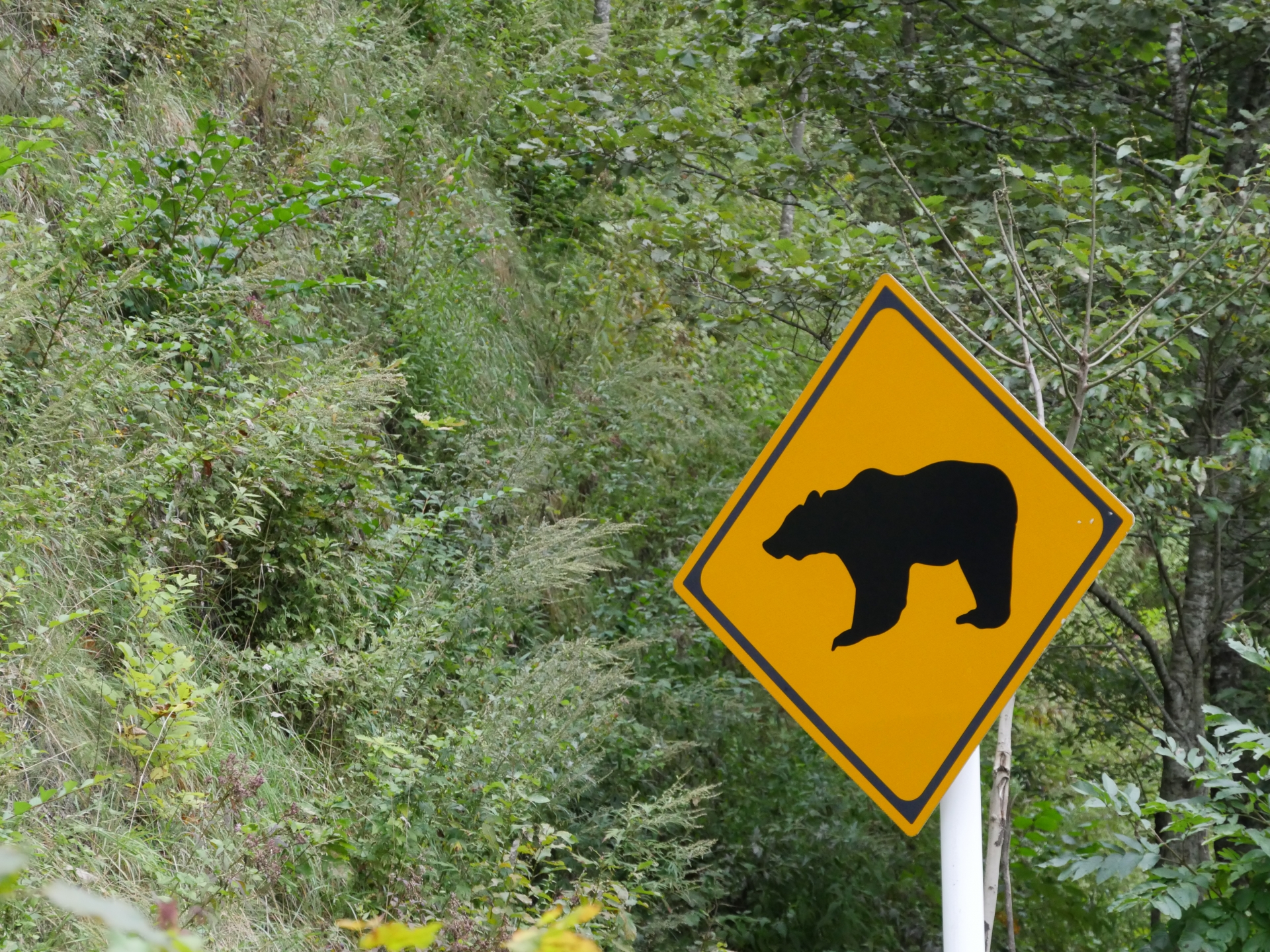
In Yamagata Prefecture, the number of bear sightings has surged in 2025, with the risk of damage particularly high around residential areas and orchards. Especially in autumn (September to November), bears actively move in search of food before hibernation, and sightings have also been confirmed in satoyama (rural areas) and around villages.
Since areas near homes and orchards are high-risk, it is important to frequently check the prefectural official site and municipal bear sighting information links, and be aware of “where bears are now.”
Additionally, daily precautions are necessary not only in forests and during farm work but also near residences, such as not leaving attractants outside and ensuring proper locking.
Now that bears are no longer just “mountain animals” but have become “creatures that can appear in human living areas,” having the correct knowledge and taking the right actions will protect both yourself and your community. Please refer to this article to learn about bear countermeasures and share the information with your family.

![[Yamagata, Oguni Town / Iide Town] Climbing ‘Kuratesan’ and the ‘Submerged Forest’ of Shirakawa Lake | Be amazed by the huge panorama from Kuratesan and the magical Shirakawa Lake! アイキャッチ](https://bongheiberg.yamagata.jp/wp-content/uploads/2026/05/image2.jpg)

![[Yamagata, Higashine City] Sobadokoro Higashitei|A place near the Higashine sakuranbo station where you can try cold meat soba etc アイキャッチ](https://bongheiberg.yamagata.jp/wp-content/uploads/2026/02/398e9260dd7f4f868180b280bdeb03f8-scaled.jpg)
![[Yamagata, Yonezawa City] Nationally Designated Historic Site ‘Uesugi Family Mausoleum’ | Visiting Report of a Historic Spot Where Uesugi Kenshin and Uesugi Yozan Rest アイキャッチ](https://bongheiberg.yamagata.jp/wp-content/uploads/2026/03/gobyosyo-main-1-scaled-e1773895183538.jpg)
![[Yamagata, Obanazawa City] Stewed Hormone ‘Sasanishiki Shokudo’ | I Went to a Popular Spot That Never Stops Having a Line! アイキャッチ](https://bongheiberg.yamagata.jp/wp-content/uploads/2026/02/5e784e5981a96bbb68dcfef63a84a621-scaled.jpg)
![[Yamagata, Yamagata City] Ofuro Café Yusa | Relaxing and Instagrammable Hot Springs アイキャッチ](https://bongheiberg.yamagata.jp/wp-content/uploads/2025/09/yusa_irigutisyoumen.jpg)