A Healing Trip to ‘Retreat’ in Yamagata|How to Refresh Your Mind and Body with Hot Springs, Nature, and Gourmet Food
2026/05/31 This site contains advertisements. Category: sightseeing
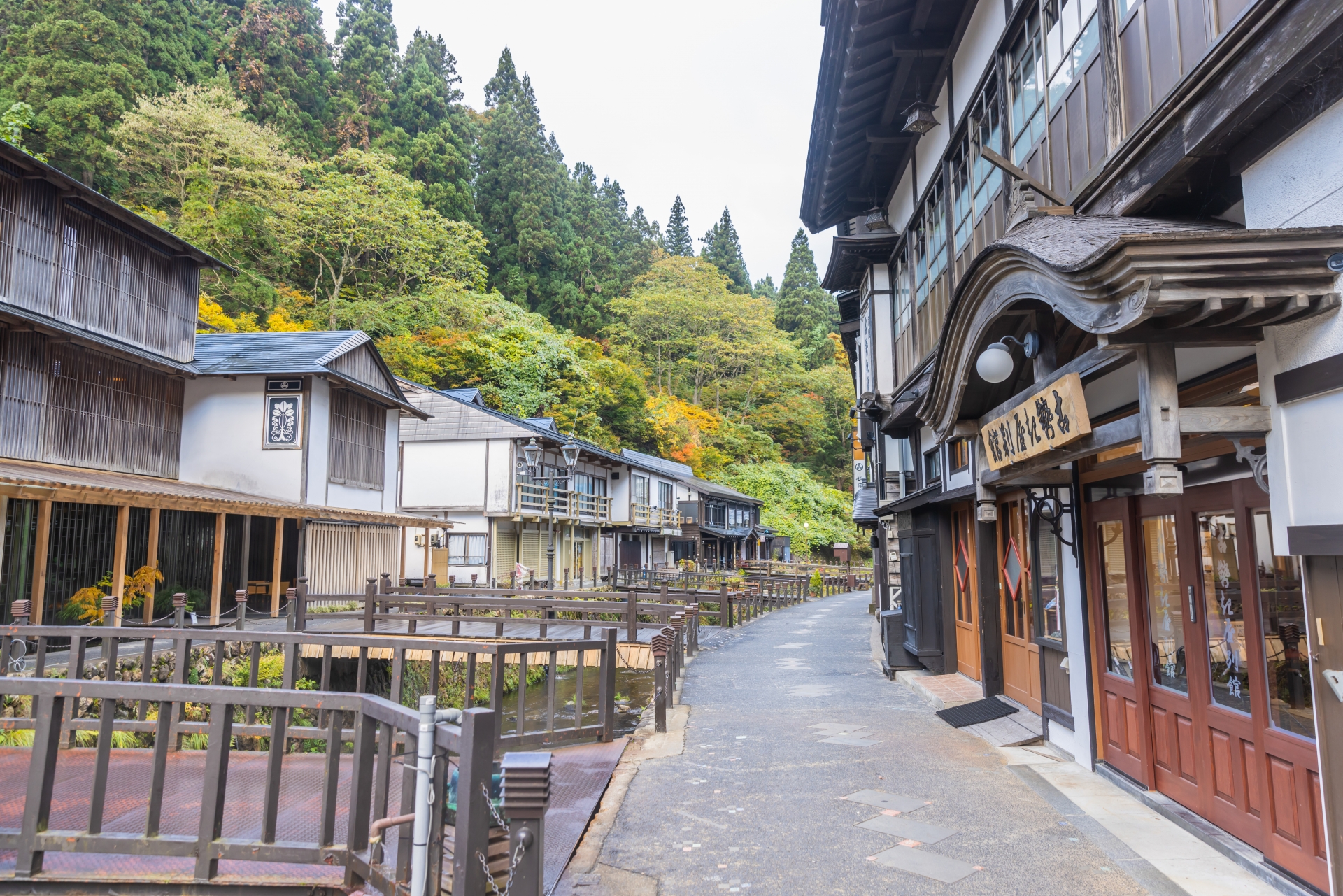
Stepping away from the busyness of everyday life and gently restoring your mind and body in nature— Yamagata is now gaining attention as the perfect destination for such a “retreat trip.” Hot spring towns wrapped in beautiful seasonal scenery, quiet rural landscapes, local cuisine made from regional ingredients, and seasonal fruits. Yamagata offers not flashy sightseeing, but a soothing experience that allows you to reset yourself with kindness.
In this article, we introduce the charm of retreat travel in Yamagata. From hot springs and nature spots to soul‑warming local food, here are recommended ways to unwind and heal your daily fatigue.
Why do we still feel tired even after resting?
Many people try to refresh themselves through trips that “add stimulation,” such as sightseeing or activities. However, humans constantly receive visual, auditory, and informational stimuli without realizing it. If the environment remains noisy, the brain cannot fully rest, making true refreshment impossible.
Crowded tourist spots with long lines can also cause mental fatigue without you noticing. When you place yourself in an environment with fewer people and less noise or information, the amount your brain needs to process naturally decreases. As a result, even without consciously trying to rest, your mind and body gradually shift into recovery mode. The feeling of “I didn’t do anything, but I feel refreshed” comes from this state.
In other words, what determines the quality of refreshment is not what you do, but the environment in which you spend your time.
Being in a quiet place, feeling nature, and moving at your own pace.
Simply placing yourself in such an environment reduces unnecessary thoughts, allowing your mind and body to realign naturally.
In today’s world, a “place with nothing” may actually be the ultimate luxury.
This idea of “restoring the mind and body through environment” is what has recently drawn attention as **“Retreat.”**
So, what exactly is a “Retreat”?
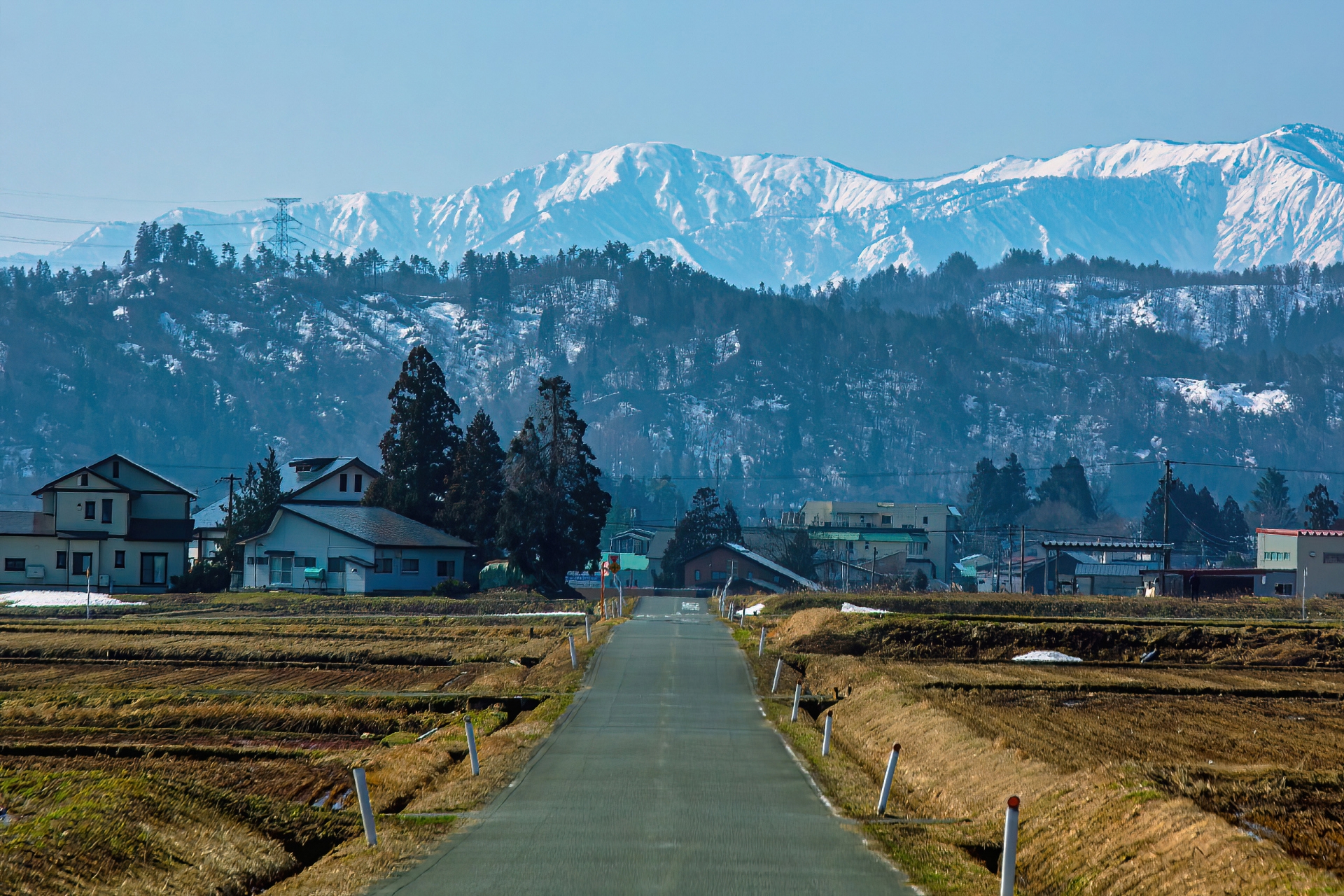
The concept of “Retreat” has been gaining attention in recent years. A retreat refers to temporarily stepping away from busy daily life—work, routines, and responsibilities—and spending time in a different environment such as hot springs or nature to refresh your mind and body.
To care for your mental well‑being and truly heal through a retreat, keep the following four elements in mind:
- Rest
- Recreation
- Relaxation
- Retreat (Resetting your environment)
Among these, “Retreat” plays a key role in achieving deep, fundamental recovery that the other elements alone cannot provide. What you need right now—adding stimulation or reducing stimulation—depends on your current state. Recognizing this is the first step toward true recovery and refreshment for both mind and body.
Among the many destinations available, Yamagata Prefecture is especially well‑suited for a retreat-style trip that focuses on “reducing stimulation and restoring yourself through the environment.”
Yamagata is an ideal place to refresh because it offers a well‑balanced combination of elements such as hot springs, nature, experiences, and food.
Why Yamagata Is Perfect for a Retreat
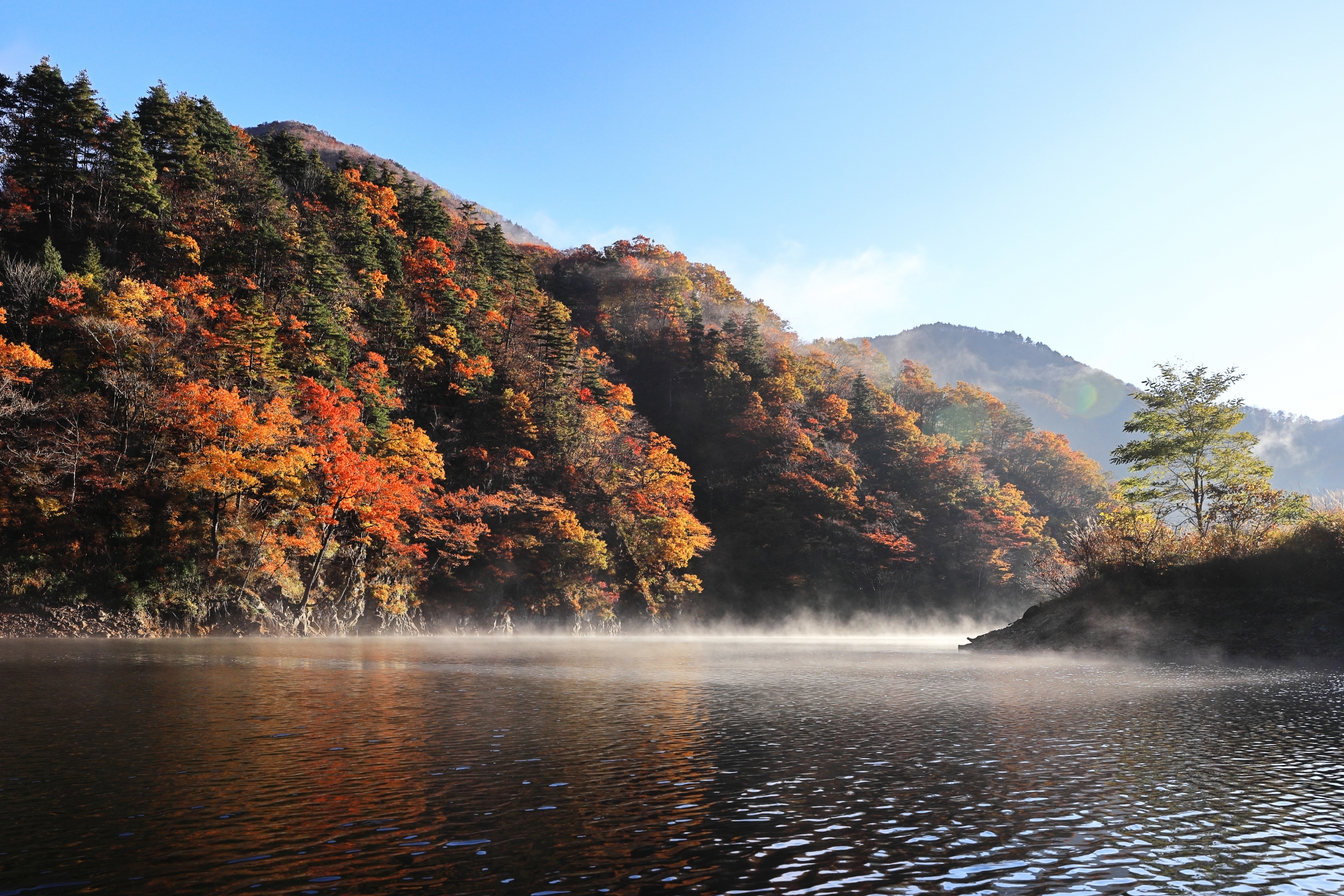
Rather than flashy sightseeing, Yamagata is a place where the environment itself is designed for rest. With fewer people, abundant nature, and a calm atmosphere, it offers the rare luxury of finding value in “time spent doing nothing.”
Here are the reasons why Yamagata is highly recommended for a retreat.
Surrounded by Nature in All Four Seasons
In Yamagata, you can enjoy fresh greenery in spring, cool lush forests in summer, vibrant autumn foliage, and magical snowy landscapes in winter. You can slowly experience the changing seasons—something difficult to feel in the city—and discover new charms each time you visit.
Just taking a deep breath in Yamagata’s natural surroundings can make your mind feel lighter.
Relax Your Mind and Body in Quiet Hot Spring Towns
Unlike bustling tourist destinations, Yamagata’s hot spring towns offer a peaceful atmosphere where time seems to slow down.
Soaking in the hot springs allows your daily fatigue and stress to gently melt away.
Because the environment is quiet, you can spend meaningful “healing time” reconnecting with yourself.
Enjoy Gentle, Comforting Meals Made with Local Ingredients
Meals made with Yamagata’s seasonal local ingredients have a comforting, gentle flavor. Rather than being flashy, dishes highlight the natural taste of the ingredients, making them soothing for both body and mind.
Enjoying local cuisine and simple, heartfelt flavors is one of the great pleasures of traveling.
A Calm Atmosphere Where You Can Enjoy “Doing Nothing”
Instead of rushing from one tourist spot to another, you can simply admire the scenery, soak in a hot spring, or spend quiet time doing nothing at all. This “luxury of doing nothing” is one of the greatest charms of a retreat trip in Yamagata.
By stepping away from your busy routine and giving your mind space to empty itself, you may find yourself truly refreshed.
Four Ways to Enjoy a Retreat Trip in Yamagata
There is no fixed way to spend a retreat trip in Yamagata. What matters most is relaxing in nature and gently restoring yourself. Yamagata offers countless ways to heal your mind and body—quiet hot spring towns, beautiful natural landscapes, and a food culture rich in local ingredients. Rather than rushing through sightseeing spots, we recommend enjoying the “time spent slowly” itself.
Here are some recommended ways to enjoy a retreat-style trip in Yamagata.
① A Retreat Trip to Heal in Yamagata’s Hot Springs
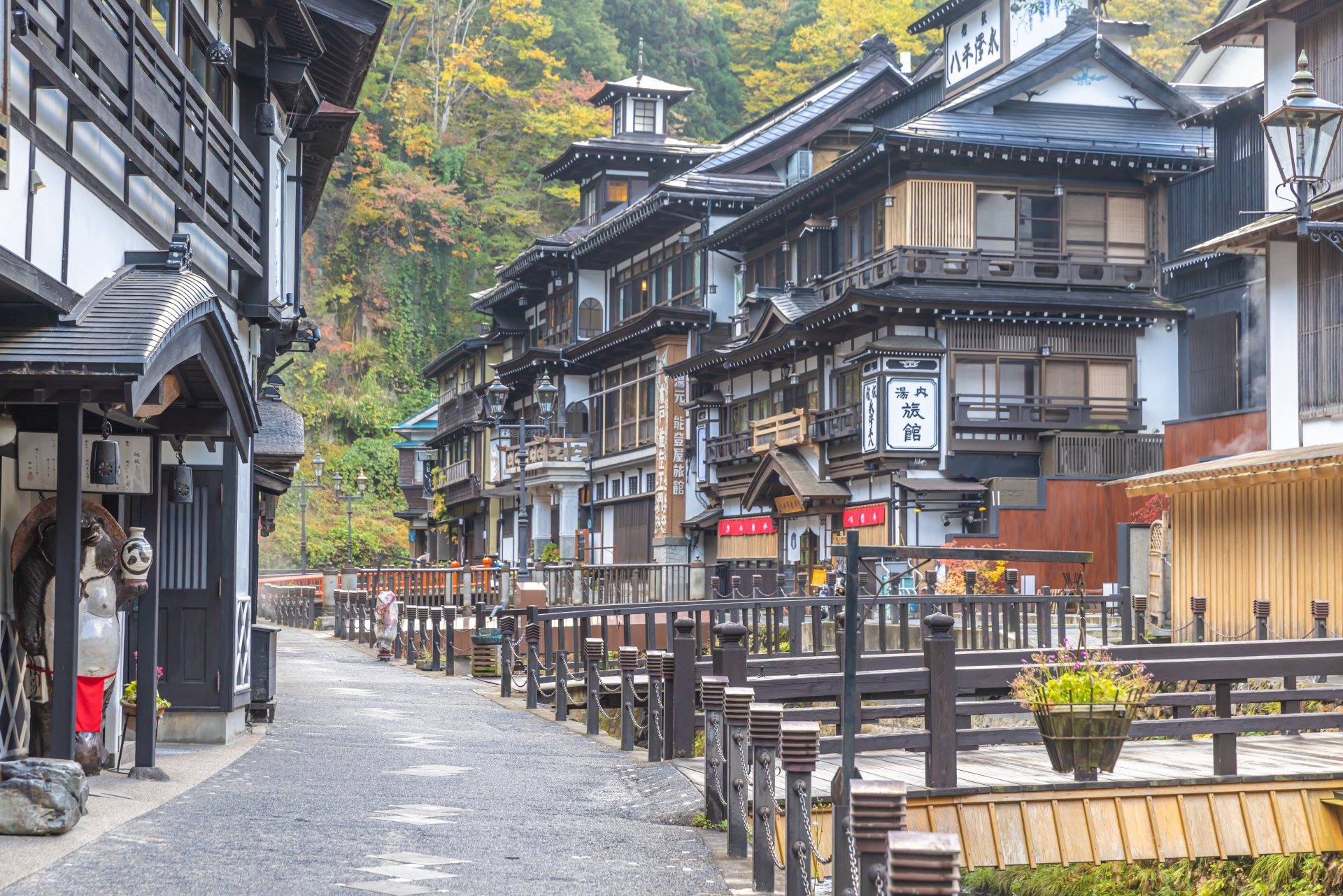
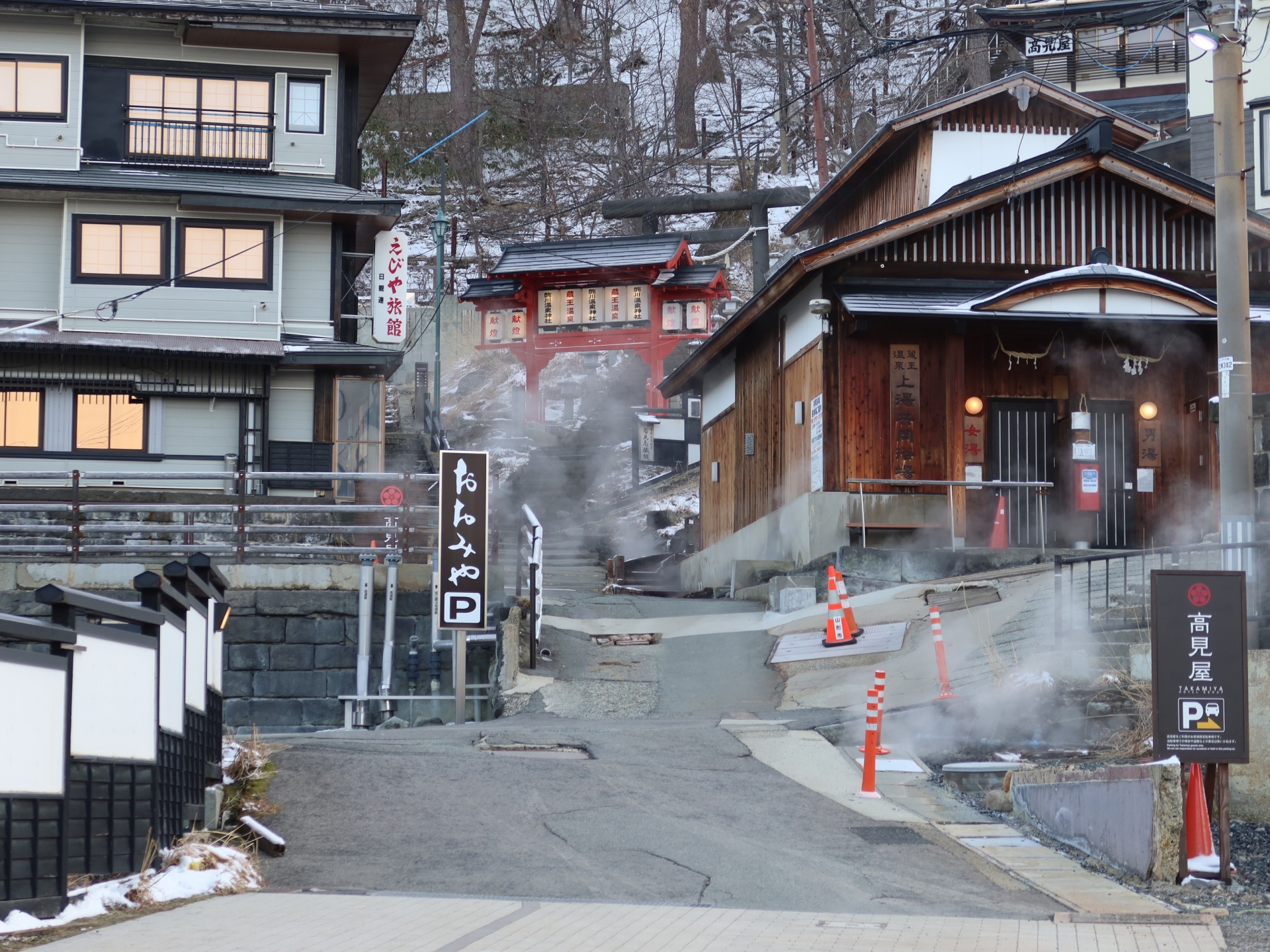
Yamagata is a true “hot spring kingdom,” with hot springs in all 35 municipalities. From nostalgic hot spring towns like Ginzan Onsen, to seaside hot springs like Yunohama Onsen overlooking the Sea of Japan, to the rare strongly acidic waters of Zao Onsen, the region is filled with unique hot spring destinations.
Hot springs offer three major benefits:
the “physical effect” of warming the body and improving circulation, the “chemical effect” of beautifying the skin and aiding recovery through mineral components, and the “environmental effect” of calming the mind in nature. This combination allows you to refresh both body and mind at the same time.
Because each hot spring area has completely different properties, the fact that all 35 municipalities have hot springs means you can surely find the perfect healing experience for you. Step away from daily life and simply soak in the water.
In Yamagata, you can experience the kind of restorative time that comes from just that.
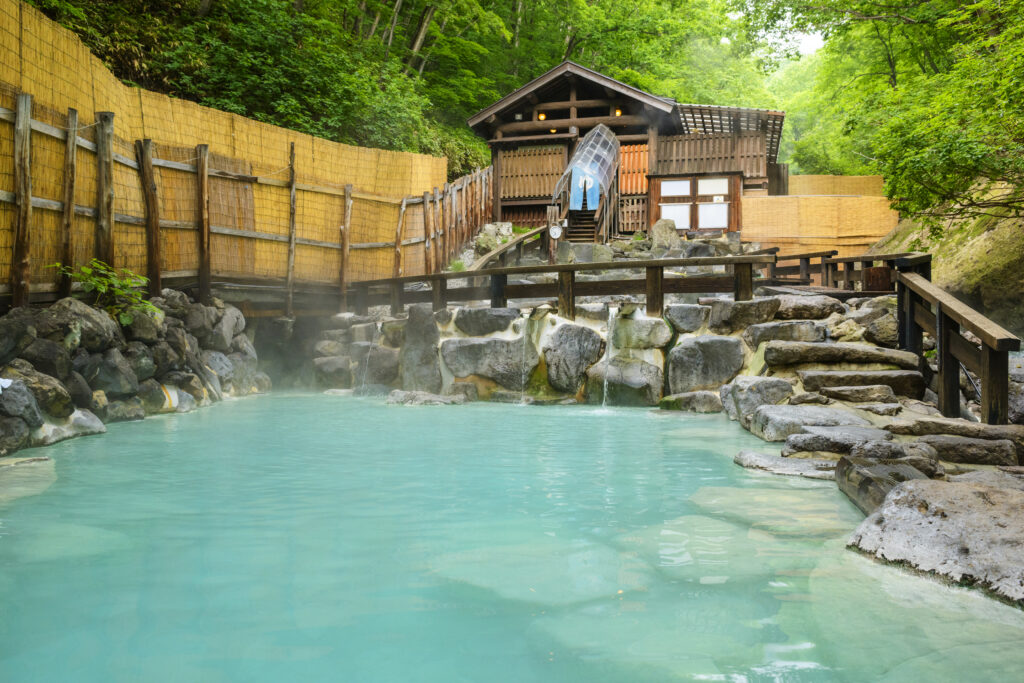
② Refresh in Yamagata’s Nature Spots|A Journey of Scenic Beauty and Quiet Healing
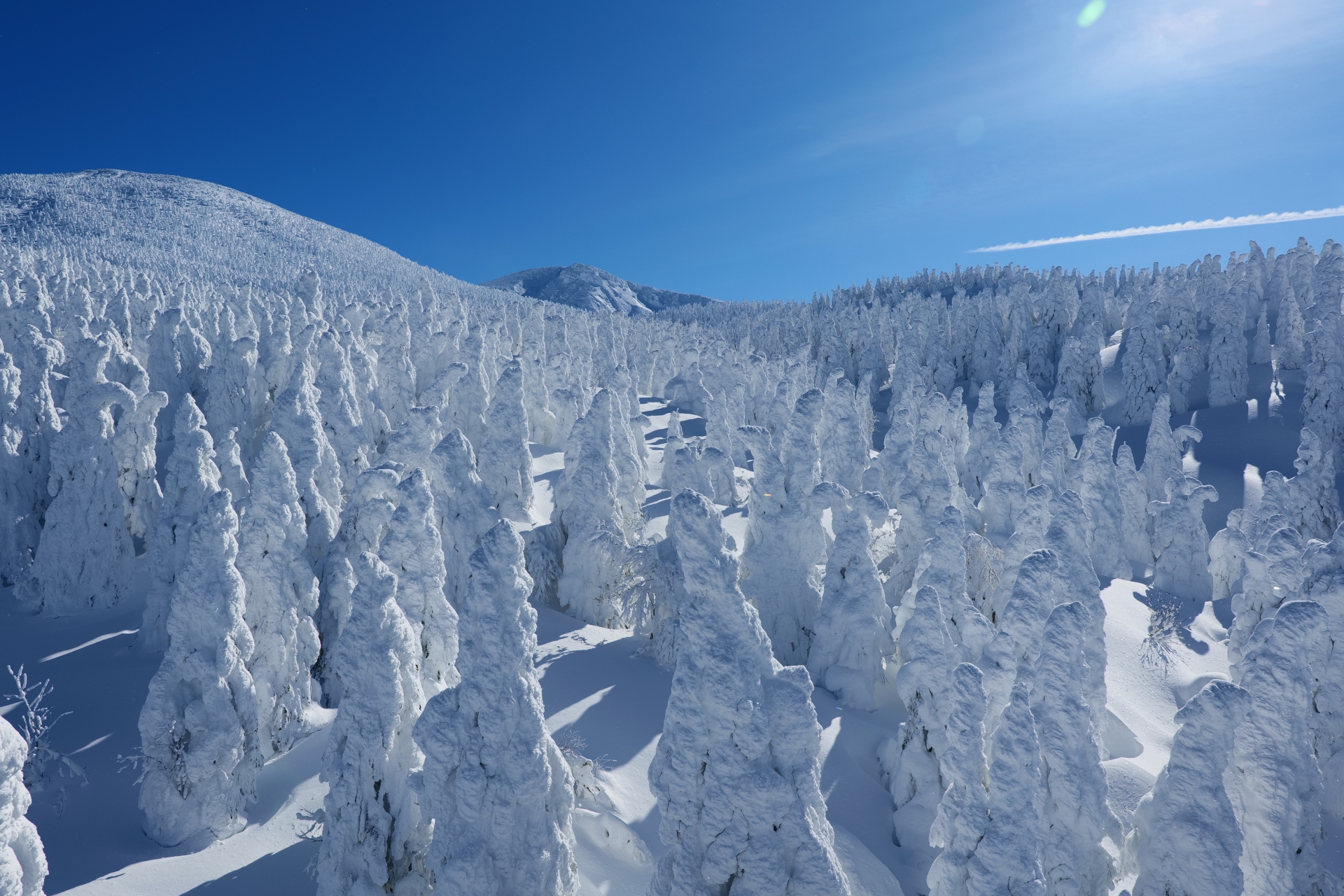
Yamagata’s natural beauty extends far beyond its hot springs. The region is home to untouched natural landscapes preserved over centuries, as well as historical structures that carry the weight of time.
These uniquely Yamagata qualities—“silence,” “tradition,” and “mystique”—have drawn global attention. In fact, Yamagata was selected by National Geographic as one of the “25 Best Travel Destinations to Visit in 2026.”
From breathtaking natural wonders like the Zao Snow Monsters and Tamasudare Falls, to spiritual sites like the Dewa Sanzan mountains where history and faith intertwine, Yamagata offers countless places where you can experience something truly special—something you can only find here.
Combine hot springs with scenic spots, and you’ll experience the ultimate “refreshing journey” unique to Yamagata.
In this land where rich nature and hot springs coexist in harmony, you’re sure to enjoy a luxurious moment that heals both mind and body.
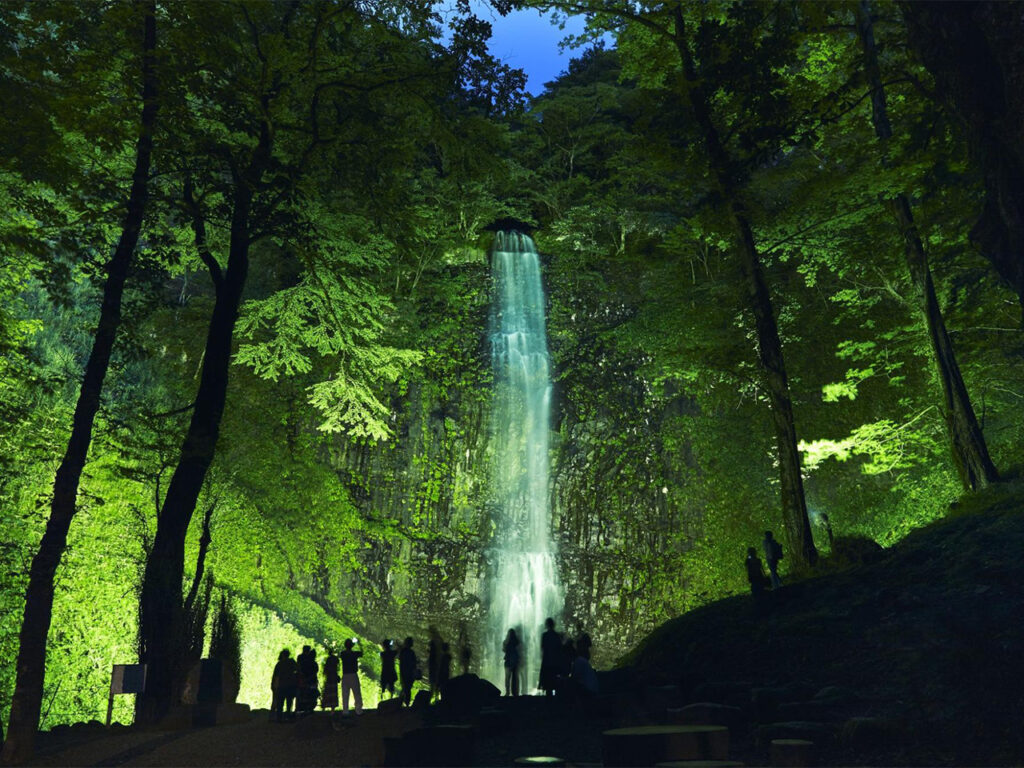
③ Seasonal Experiences in Yamagata Where You Can Immerse Yourself in the Present Moment
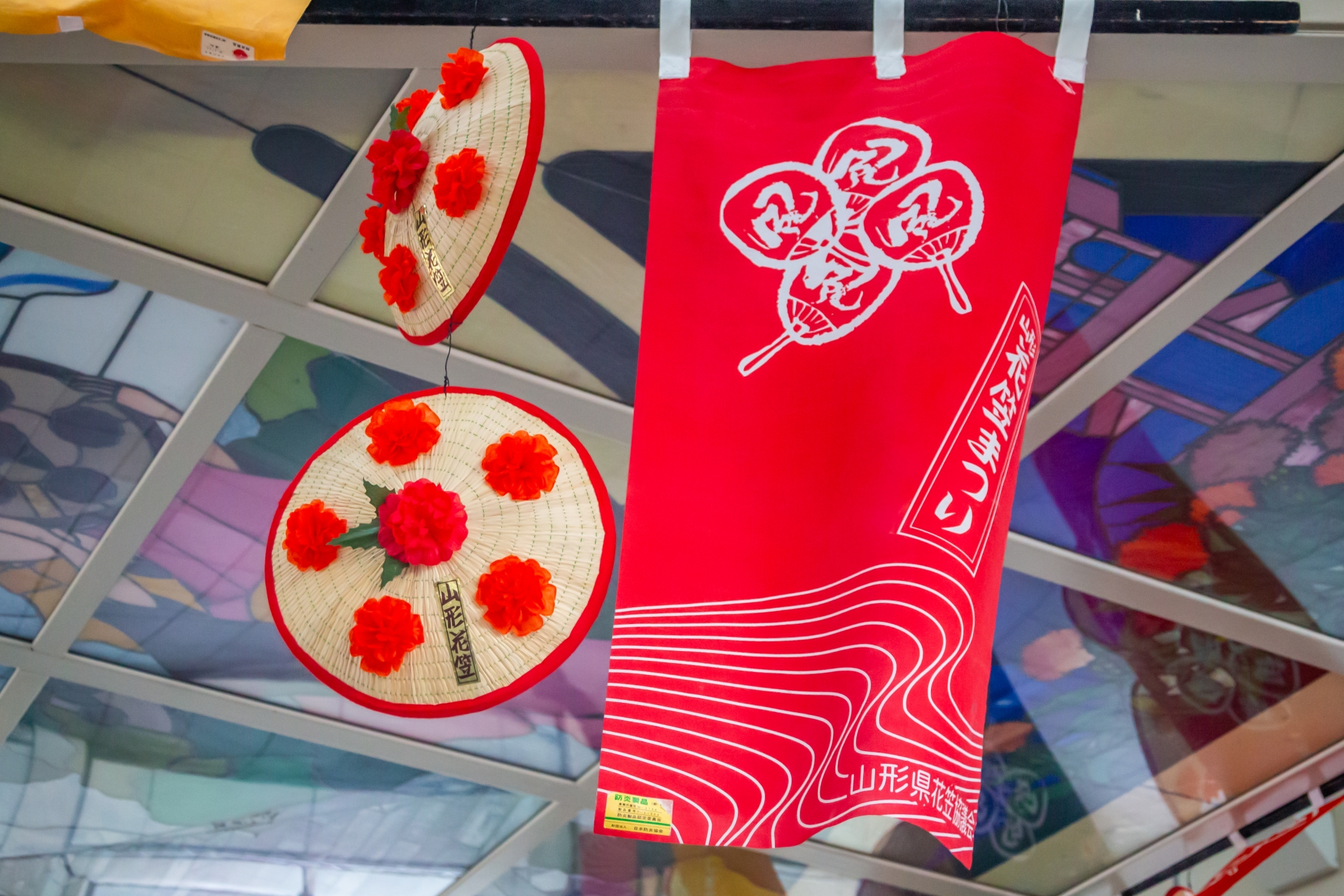
Yamagata is blessed with abundant nature, and you can fully engage your body in activities surrounded by that natural beauty. Experiences that involve moving your body in the great outdoors offer a deeper sense of refreshment. Each season brings its own charm, allowing you to enjoy completely different experiences depending on when you visit.
In spring, you can enjoy strawberry picking, foraging for mountain vegetables, and historical events that connect you with nature and culture.
Summer brings cherry picking, the lively Hanagasa Festival, and strolling in yukata.
In autumn, you can savor food and scenery through the Japan’s Largest Imoni Festival, fruit picking, and cycling.
Winter offers extraordinary experiences such as skiing, viewing the snow monsters, and activities in snowy landscapes.
Additionally, there are many experiences you can enjoy year‑round, such as the Mogami River Boat Ride, Kamo Aquarium, safflower dyeing, canoeing, and more.
Yamagata is filled with opportunities to “immerse yourself in the moment,” making it the perfect place for a retreat where you can reset your mind and body while connecting with nature and culture.
④ Refresh with Yamagata’s Gourmet Food and Local Sake
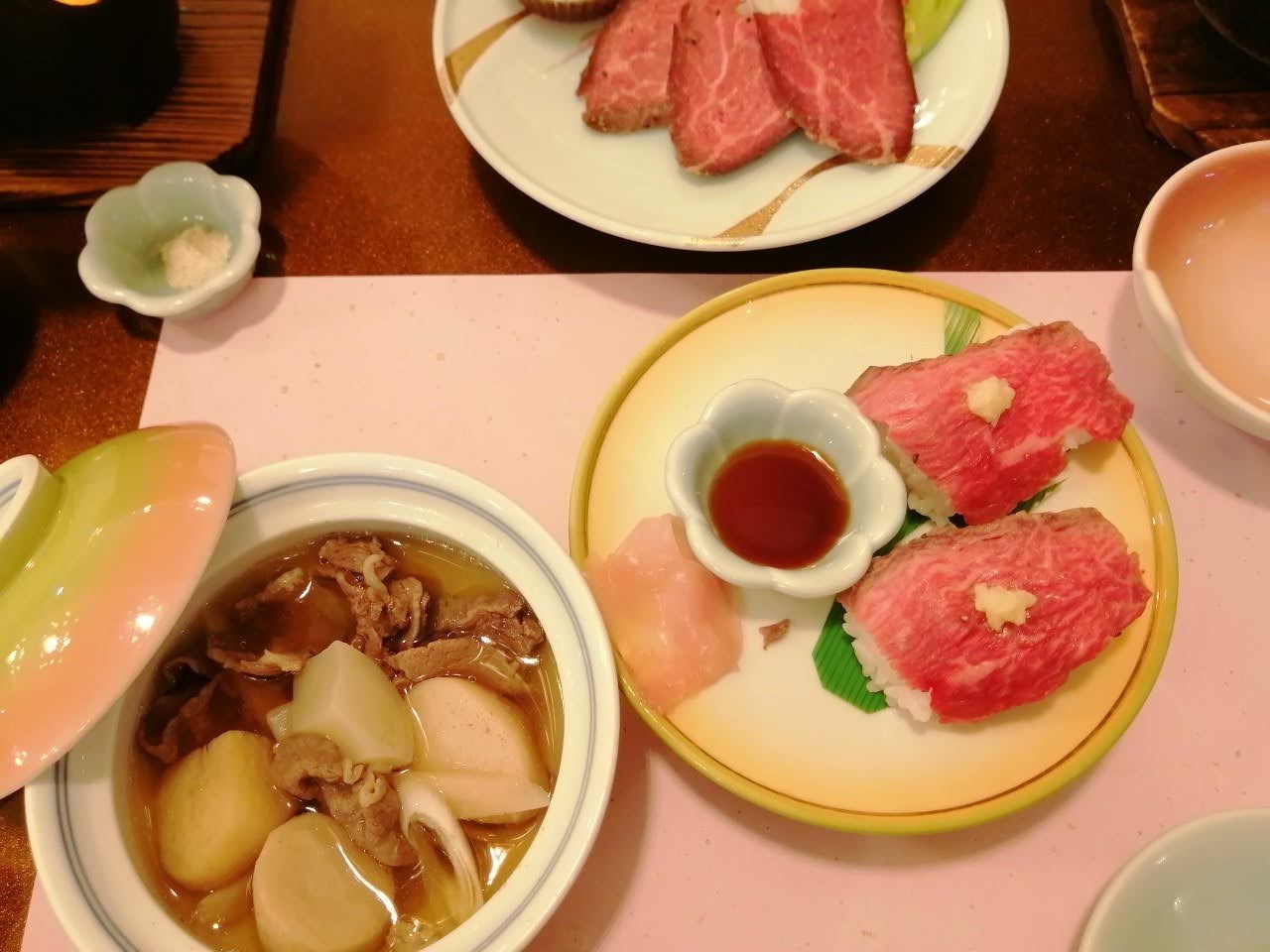
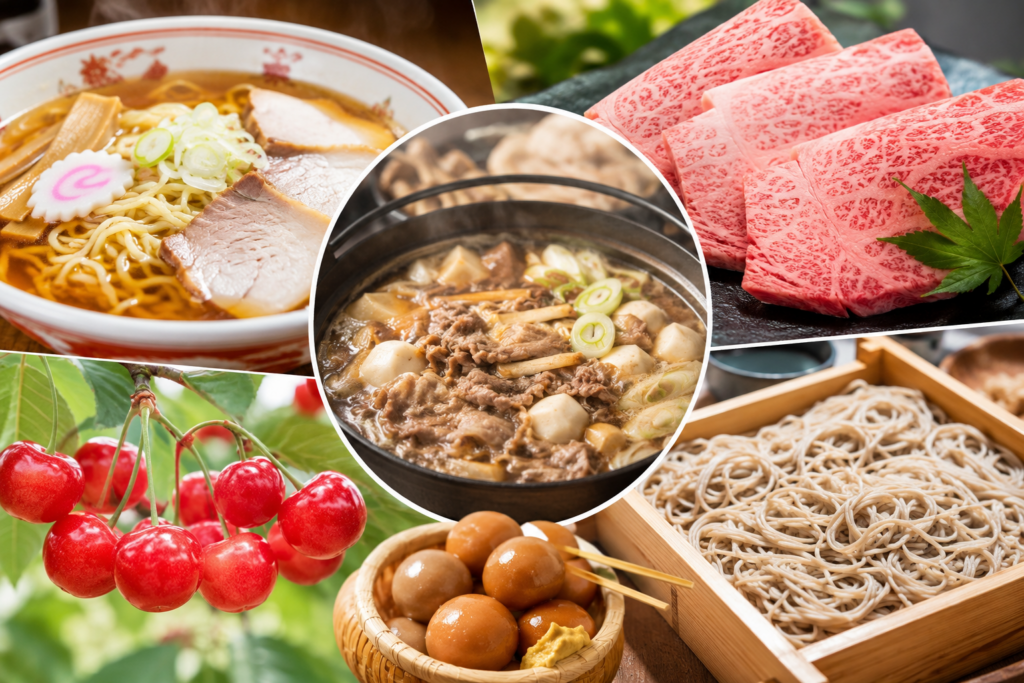
One of the joys of traveling in Yamagata is simply taking the time to enjoy delicious food. From the iconic autumn dish Imoni, to Yonezawa Beef, local sake, and fragrant soba noodles, Yamagata offers flavors unique to this region.
You’ll also find regional ramen styles, easy‑to‑enjoy local foods like Tama Konnyaku, high‑quality rice, and seasonal fruits. Each dish reflects the climate and lifestyle of Yamagata—simple yet deeply flavorful. Be sure to try them at least once.
By savoring each bite slowly, your mind naturally begins to unwind. Let Yamagata refresh both your heart and your appetite.
Introducing Model Courses for a Retreat Trip in Yamagata
If you’re coming all the way to Yamagata, you’ll want to retreat in a way that truly suits you. We’ve carefully selected recommended model courses for each area. Use these model itineraries as inspiration when planning your visit to Yamagata.
Murayama Area|A 2‑Day Model Course Visiting Yamagata’s Iconic Hot Spring Town “Ginzan Onsen”
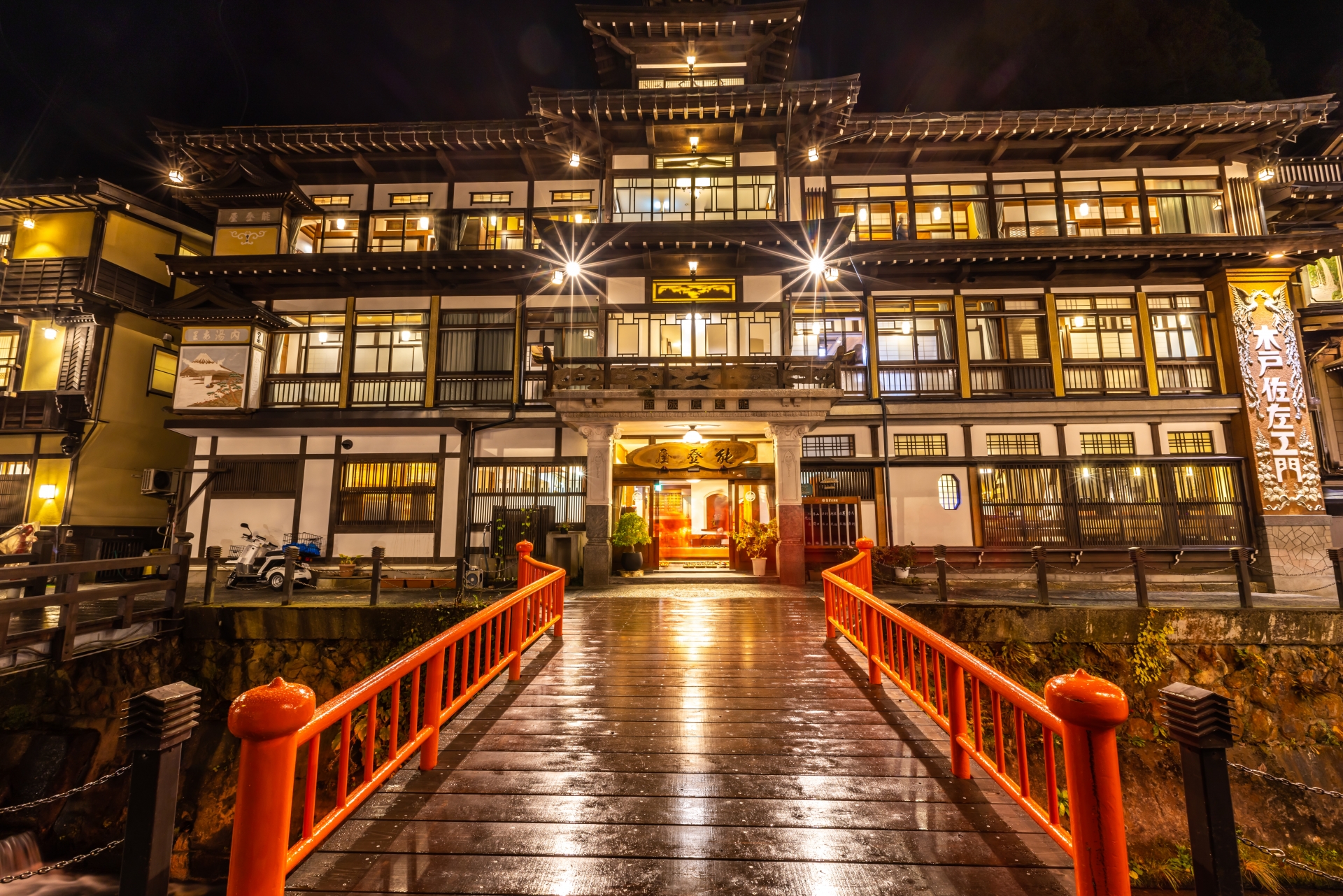
Although the travel distance may seem long, the schedule allows you to spend your time leisurely once you arrive. It’s designed so you can return home comfortably without feeling tired the next day.
You’ll arrive in the afternoon, but the true charm of Ginzan Onsen shines at night. Wrapped in its magical scenery and quiet atmosphere, it’s the perfect place to slowly unwind from everyday fatigue.
Overall Schedule
■ Day 1
10:00|Depart Tokyo
13:00|Arrive at Ōishida Station
15:00|Arrive at Ginzan Onsen (Check‑in)
16:00〜|Stroll, hot spring, dinner
19:00〜|Night illumination
■ Day 2
6:00〜|Early morning walk
9:30|Check‑out
11:10|Arrive at Ōishida Station
12:00〜|Break in Tendo
15:00|Depart for home
18:00|Arrive in Tokyo
■ Detailed Schedule for Day 1
10:00|Depart Tokyo Station
13:00|Arrive at Ōishida Station → Transfer to Ginzan Onsen
Access to Ginzan Onsen is typically via special hotel plans, bus, or taxi.
For this model course, we assume travel by bus, which is relatively easy to use.
14:10|Travel by bus → Ginzan Onsen
15:00|Arrive at Ginzan Onsen → Check‑in
16:00|Leisurely stroll through the hot spring town
After checking in, avoid packing your schedule too tightly.
Take a break at a footbath, stroll through the town, or relax at a café—whatever feels right for you.
18:00|Dinner
19:00|Stroll through the illuminated hot spring town
At night, the gas lamps light up, and the entire town transforms into a dreamlike scene.
Enjoy the completely different atmosphere from daytime as you walk slowly through the streets.
■ Detailed Schedule for Day 2
6:00–7:00|Early morning stroll through the hot spring town
This is a quiet time with very few people around.
You can enjoy a calm atmosphere completely different from the nighttime scenery—highly recommended.
9:30|Check‑out
10:30|Depart Ginzan Onsen → Head to Tendo Station
12:00|Arrive at Tendo Station
12:00–14:30|Relaxing time in Tendo
On the way back, make a small detour and take things at a comfortable pace.
A light lunch, a casual stroll, or a break at a footbath is perfect for savoring the final moments of your trip.
15:00|Depart Tendo Station → Tokyo
18:00|Arrive in Tokyo
![[Yamagata, Obanazawa City] Ginzan Onsen | Perfect for a day Trip! A Healing Journey at a Retro-Cute Hot Spring デスクトップ向け](https://bongheiberg.yamagata.jp/wp-content/uploads/2025/09/ginzan-eyecatch-1024x683.jpg)
Okitama Area|A Mature 2‑Day Trip Enjoying Sake and Shrines
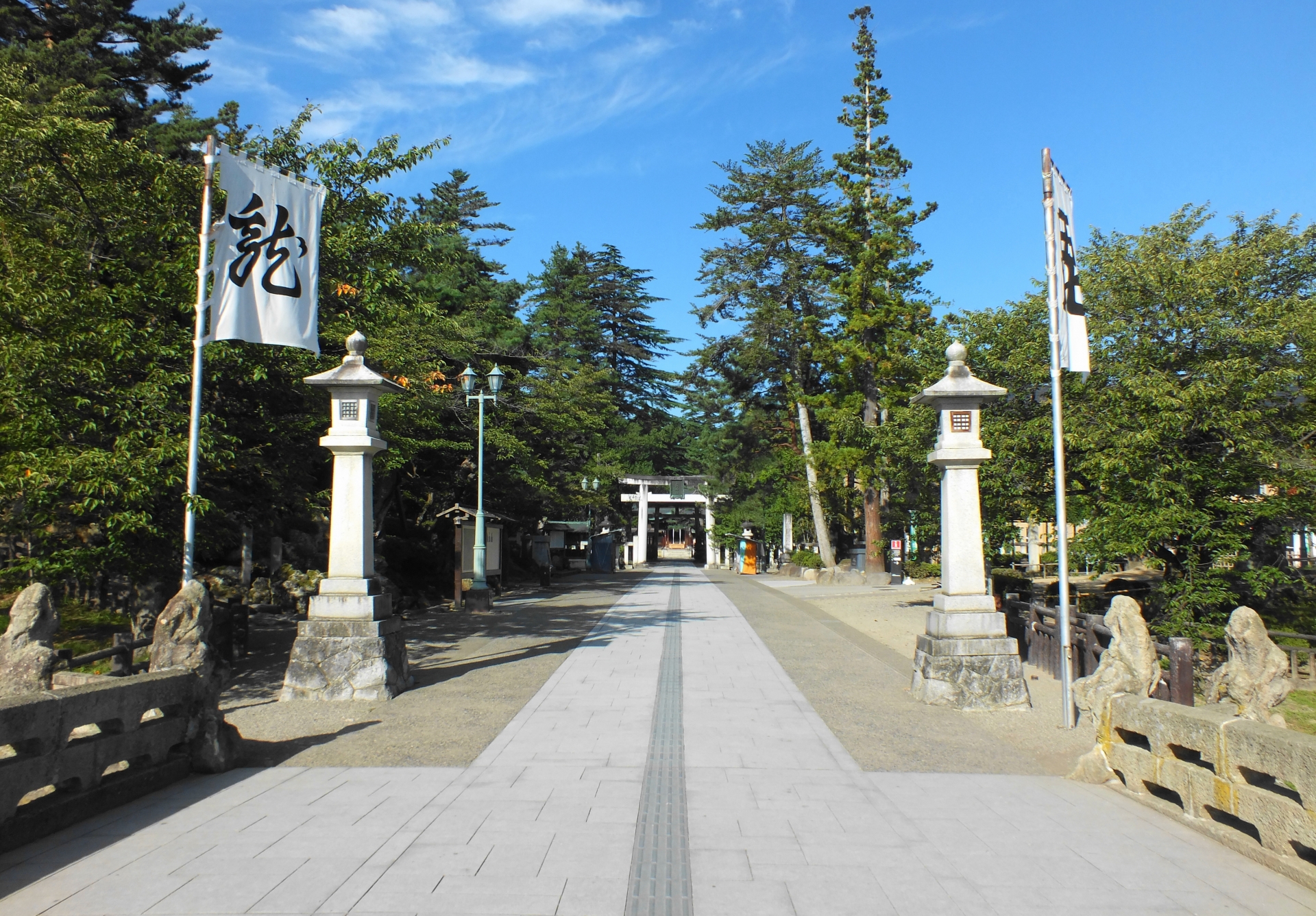
This course is designed around the concept of a relaxed adult trip—drink, explore without getting lost, and avoid exhaustion. Because the focus is on tasting sake and wine, the itinerary intentionally avoids a heavy lunch. Instead, enjoy light snacks at each stop or a small bite at Takahata Winery, keeping the pace easy and comfortable.
Enjoy the flavors of Japanese sake and wine, then quietly reset your mind at a historic shrine. By not rushing and moving at your own pace, you’ll be able to appreciate the charm of each place more deeply.
Overall Schedule
■ Day 1
09:00|Depart Tokyo
11:30|Arrive in Yonezawa
Afternoon|Sake brewery + shrine
Evening|Head to Akayu Onsen
■ Day 2
Morning|Kumano Taisha + Takahata Winery
15:00|Depart for home
18:00|Arrive in Tokyo
■ Detailed Schedule for Day 1
09:00|Depart Tokyo Station
11:30|Arrive at Yonezawa Station → Head to “Toko Sake Brewery” (by taxi)
11:45|Tour the sake brewery
The long‑established Toko Sake Brewery is a precious place that preserves the history of sake brewing dating back to the Edo period.
Inside, you can see traditional brewing tools and the structure of the brewery, learning how sake has been made over the centuries.
After the tour, you can enjoy tastings—an opportunity to compare flavors and find your favorite bottle.
12:45|Head to Uesugi Shrine
After the brewery tour, walk to Uesugi Shrine.
It’s within walking distance, so taking a slow stroll is recommended.
13:00|Quiet time at the shrine
Uesugi Shrine enshrines the famed warlord Uesugi Kenshin and is one of Yonezawa’s most iconic historical sites.
The spacious grounds have a calm, peaceful atmosphere, and simply walking through them naturally settles the mind.
14:00|Travel to Akayu Onsen (by taxi)
14:45|Arrive at Akayu Onsen → Check‑in
15:30〜|Reset in the hot springs
Akayu Onsen has many day‑use hot springs within walking distance.
You might even enjoy hopping between several baths.
Evening|Dinner & relaxing time
■ Detailed Schedule for Day 2
09:30|Check‑out → Taxi transfer
09:45|Relax at Kumano Taisha
Kumano Taisha is known as a shrine of matchmaking and attracts many visitors.
The grounds are surrounded by nature, creating a soft, calming atmosphere.
There is a legend that three hidden rabbits are carved behind the main hall, and searching for them as you walk is part of the fun.
Rather than a flashy tourist spot, it is a peaceful place where you can spend quiet time—especially serene in the morning hours.
11:00|Transfer to Takahata Winery
11:20|Enjoy wine tasting
Takahata Winery is a popular winery that produces wine using locally grown grapes.
In its open, welcoming space, you can casually enjoy wine tasting.
There is also an on‑site shop where you can choose a bottle to take home—another enjoyable part of the visit.
By experiencing flavors different from sake, you can feel the richness of this region even more deeply.
13:00|Souvenir time (if you have extra time)
Roadside Station Yonezawa offers local specialties and gourmet foods.
It’s convenient for souvenir shopping, a light meal, or a short break before heading back via Yonezawa Station.
If time allows, visiting Uriwari Sekitei Park is also recommended.
The dynamic stone walls create a striking natural landscape, but since it requires travel time, include it only if it fits comfortably into your schedule.
14:30|Head to the station
Choose the station—Takahata or Yonezawa—based on where you are at the time.
Select the route that feels easiest and most comfortable.
15:00|Depart for Tokyo
18:00|Arrive in Tokyo
![[Yamagata, Nanyo City] Praying for Love Matches at Kumano Taisha|Summer Shrine Grounds Adorned with Floral Water Bowls and Wind Chimes デスクトップ向け](https://bongheiberg.yamagata.jp/wp-content/uploads/2025/08/gerato-en_art.jpg)
![[Nanyo & Takahata] Recommended route to visit Kumano Taisha Shrine, the former Takahata Station building, and Uriwari Rock Garden Park デスクトップ向け](https://bongheiberg.yamagata.jp/wp-content/uploads/2021/04/nanyo_takahata-1024x538.png)
![[Yamagata, Takahata city] More Than Just Wine—Discover the Family-Friendly Charm of Takahata Winery デスクトップ向け](https://bongheiberg.yamagata.jp/wp-content/uploads/2025/08/IMG_3849-1-1024x768.jpg)
![[Takahata, Yamagata] Experience Uriwari Rock Garden Park デスクトップ向け](https://bongheiberg.yamagata.jp/wp-content/uploads/2025/07/IMG_3542-1024x768.jpg)
Shonai Area|A Relaxing 2‑Day Course with the Sea and Hot Springs
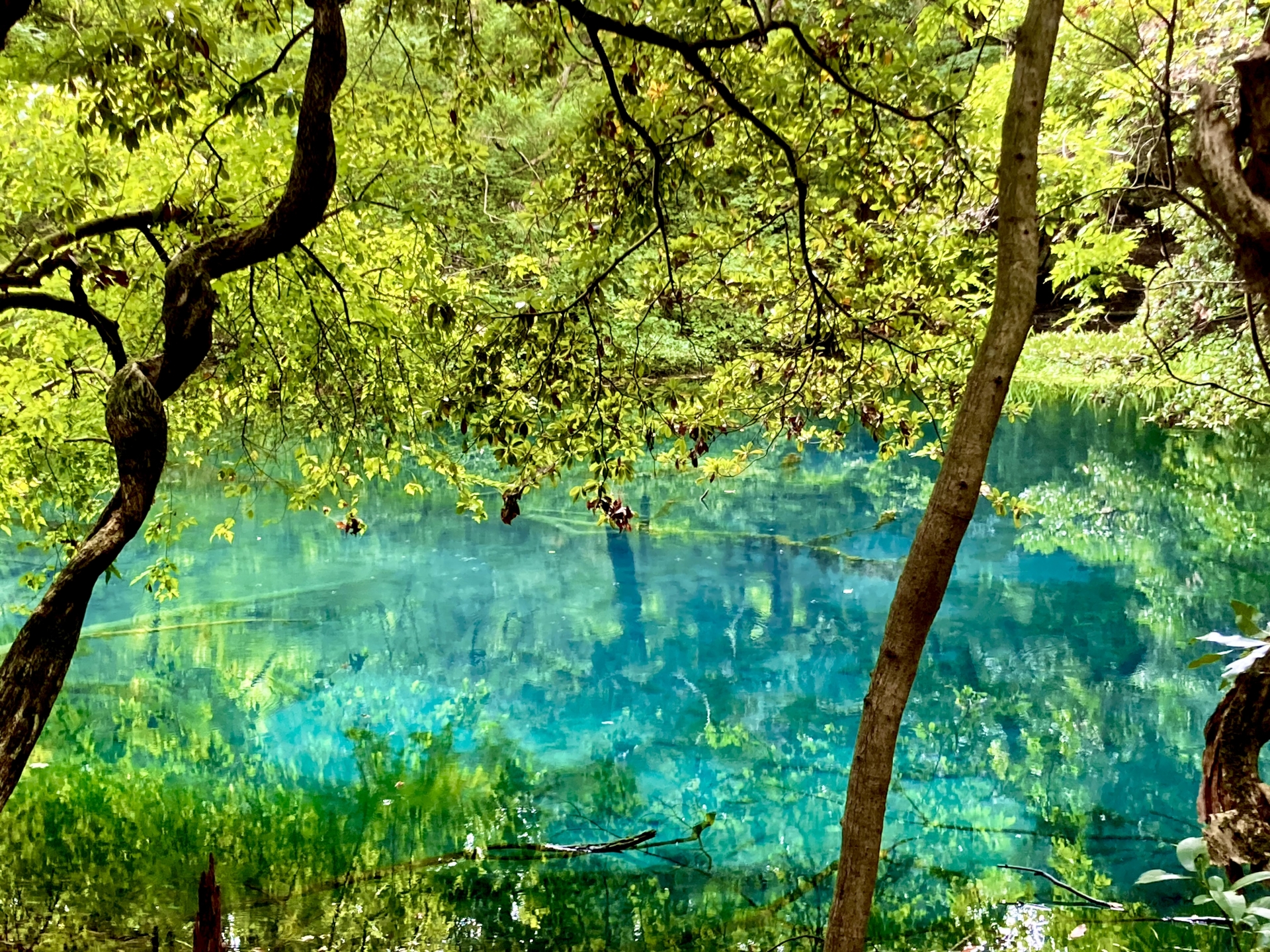
For the Shonai area, traveling by plane is highly recommended. It takes about one hour from Haneda Airport to Shonai Airport, and major sightseeing spots are easy to reach, allowing you to maximize your time on-site. A rental car is generally the best option for getting around.
This schedule is especially suitable for those who want to move around while still enjoying a slow, relaxed pace.
Overall Schedule
■ Day 1
10:30|Arrive at Shonai Airport
11:00|Arrive at Kamo Aquarium
11:00–13:30|Kamo Aquarium
13:30|Light lunch
14:30|Transfer to Yunohama Onsen
15:00|Check‑in
15:30〜|Free time
■ Day 2 (Tsuruoka)
09:00|Check‑out
09:30|Depart → Maruike-sama
10:15|Maruike-sama
12:00|Sankyo Warehouse
13:00|Lunch in Sakata City
14:30|Transfer to Shonai Airport
16:30|Flight home
■ Detailed Schedule for Day 1
10:30|Arrive at Shonai Airport → Transfer to Kamo Aquarium
11:00|Relaxing time at Kamo Aquarium
The Kamo Aquarium is known for its dreamlike space created by gently drifting jellyfish.
Simply watching them allows you to feel a sense of escape from everyday life.
13:30|Lunch in Shonai style
Choose a meal that fits naturally into your travel flow.
At Shonai Airport and nearby facilities, you can casually enjoy tonkatsu from “Hirata Bokujo.”
14:30|Transfer to Yunohama Onsen
15:00|Check‑in at KAMEYA HOTEL
15:30〜|Time to do nothing
Soak in the hot spring, gaze at the sea, or simply relax in your room—intentionally leaving your schedule open is part of the retreat experience.
If time allows, you may extend your trip to Sakata and enjoy the evening boat ride “Ogata‑sen Mizuki” (reservation required). The sunset view from the water offers a calm, soothing moment different from daytime. However, since travel time is required, include it only if it fits comfortably.
Evening|Dinner & relaxation
■ Detailed Schedule for Day 2
09:00|Check‑out → Maruike-sama
10:00|Time to reset in nature
Maruike-sama is a mystical spot surrounded by forest, with crystal‑clear water and a serene atmosphere.
Watching the gentle movement of the water provides a refreshing mental reset.
11:30|Transfer to Sankyo Warehouse
12:00|Relax while enjoying the scenery
Walk among the calm scenery of the white‑walled warehouses and zelkova trees at Sankyo Warehouse.
There are also shops and eateries nearby, making it enjoyable to explore at your own pace.
13:00|A final taste of Shonai
Enjoy a seafood bowl or rice balls made with Shonai-grown rice at “SAKATANTO,” filling both your heart and stomach.
14:30|Transfer to Shonai Airport
16:30|Flight home
19:00|Arrive in Tokyo
![[Yamagata, Yuza Town] Spectacular View ‘Maruike-sama’ | Visiting Maruike Shrine with Its Legendary Tales! デスクトップ向け](https://bongheiberg.yamagata.jp/wp-content/uploads/2026/03/top-1024x768.jpeg)
Mogami Area|A 2‑Day Active Course Exploring Nature and Rural Landscapes
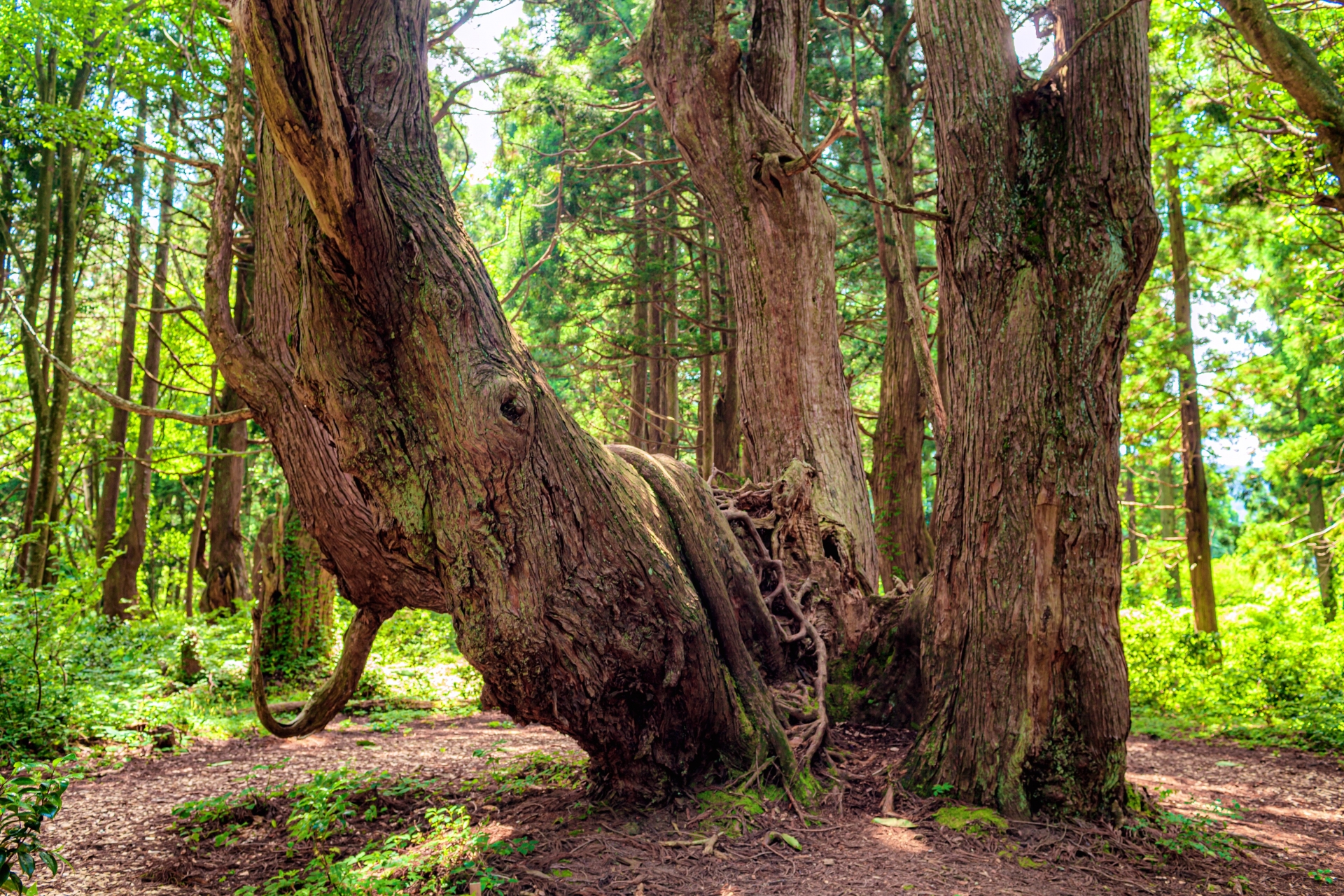
A 2‑day plan starting from Tokyo and using Shinjo as a base to actively explore the nature and rustic scenery of the Mogami area. A boat ride on the Mogami River and a soba‑making experience are unforgettable highlights you won’t find elsewhere. This model course offers a well‑balanced mix of nature, food, and hands‑on activities.
Overall Schedule
■ Day 1
07:00|Depart Tokyo
11:00|Arrive in Shinjo
11:30–18:30|Sightseeing
18:30|Check‑in
■ Day 2
08:00|Depart
08:30–13:00|Activities & nature
15:00|Depart Shinjo
19:00|Arrive in Tokyo
■ Detailed Schedule for Day 1
07:00|Depart Tokyo Station
11:00|Arrive at Shinjo Station → Rent a car
11:30|Mushroom Stand Funagata
This popular spot offers fresh local mushrooms from Funagata Town.
With a variety of dishes made from freshly harvested mushrooms, you can fully enjoy their natural flavor.
13:00|Transfer to “Kosugi no Osugi”
13:30|Kosugi no Osugi
Known as the “Totoro Tree,” Kosugi no Osugi has a striking presence and a peaceful atmosphere.
It’s a place that leaves a strong impression even in a short visit.
14:00|Transfer to Kaneyama Town
14:30|Stroll through Kaneyama Town
Walk through the beautiful townscape lined with white‑walled buildings, evoking a sense of nostalgia.
Even a slow walk helps calm the mind.
17:00|Return to Shinjo
17:30|Ramen at “Issaan”
Enjoy Shinjo’s specialty “Torimotsu Ramen” at the long‑established Issaan.
18:30|Check‑in
Evening|Relax
■ Detailed Schedule for Day 2
08:00|Depart → Genso no Mori
08:30|Forest bathing in Genso no Mori
Genso no Mori is a mystical beech forest that offers a calming, restorative experience as you walk through it.
09:30|Transfer to Mogami River Basho Line
09:50|Mogami River boat ride
Relax as you drift along the river, enjoying seasonal scenery.
It’s a moment where you can step away from the pace of daily life and savor the passage of time.
11:00|Boat ride ends
11:30|Soba‑making experience
Making soba with your own hands becomes a special memory of the trip.
You’ll enjoy both the fun of making it and the satisfaction of eating it.
13:00|Soba‑making ends
13:30|Return rental car at Shinjo Station
15:00|Depart Shinjo → 19:00 Arrive in Tokyo (Yamagata Shinkansen Tsubasa)
![[Yamagata, Sakegawa Village] What’s that shape? “Totoro Tree” | A Complete Guide to the Charm of Kosugi’s Great Cedar デスクトップ向け](https://bongheiberg.yamagata.jp/wp-content/uploads/2025/10/202602231552361_122-1024x683.jpg)
![[Yamagata, Tozawa] Forest of Fantasy Review | A mysterious world of thousand-year trees デスクトップ向け](https://bongheiberg.yamagata.jp/wp-content/uploads/2021/04/20260223155236_110.png)
![[Yamagata, Shinjo City] Issa-an Branch|Shinjo’s Famous Ramen That ‘Brings Love Together’ デスクトップ向け](https://bongheiberg.yamagata.jp/wp-content/uploads/2026/02/7f21430ef06bf7b255f586099750b26e-1.jpg)
Zao|A One‑Day Refresh Course You Can Enjoy Even on a Day Trip
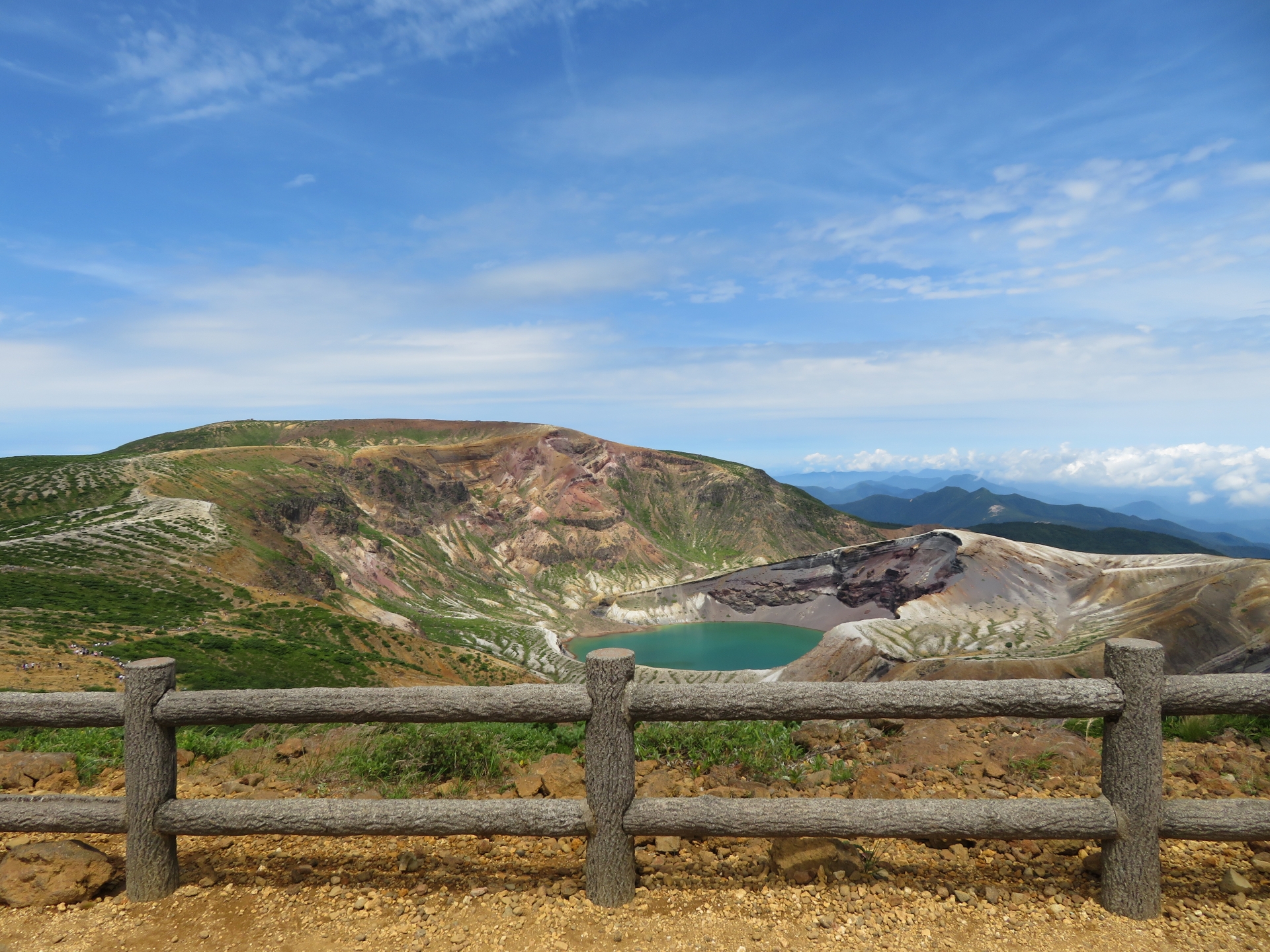
Take a deep breath in Zao’s crisp mountain air and relax your body in the hot springs. Simply being in nature helps your mind and body gradually realign. If you want to step away from your busy routine, a day spent resetting yourself in Zao is a wonderful option.
Overall Schedule
07:30|Depart Tokyo
10:00|Arrive in Yamagata
11:00–16:30|Zao area (nature + hot springs)
17:30|Depart Yamagata
20:00|Arrive in Tokyo
■ Detailed Schedule
07:30|Depart Tokyo
10:00|Arrive at Yamagata Station → Transfer
Buses run from Yamagata Station to the Zao Ropeway.
Although the schedule depends on the time of day, buses are cost‑effective.
If you prefer easier travel, taking a taxi is also a good option—about 30 minutes.
11:00|Refresh with Zao’s scenery
Zao offers a variety of landscapes, from wide‑open mountain views to nature‑filled surroundings.
Just being there helps you reset and feel refreshed.
13:00|Light lunch
At the ropeway summit station, there is a restaurant where you can enjoy light meals and coffee.
You can also take your food outside to the terrace and enjoy the quiet mountain atmosphere.
After a break, return to the base via the ropeway.
14:00|Relaxation time
16:00|Free time (various options)
You can visit several day‑use hot springs or take a light stroll through the hot spring town.
Move at your own pace and enjoy your time freely.
Spend your final moments in Yamagata slowly, savoring the scenery and the lingering feeling of your trip.
17:30|Depart Yamagata Station → Tokyo
20:00|Arrive in Tokyo
![[Miyagi, Zao] Zao’s Okama Crater and Kattamine Shrine | Touring the Mysterious Crater Lake Okama and the Mountain-Top Shrine デスクトップ向け](https://bongheiberg.yamagata.jp/wp-content/uploads/2025/12/20260223155236_47.jpg)
Tips for Fully Enjoying a Retreat Trip in Yamagata
Here are some helpful tips to know before your retreat trip to Yamagata.
Clothing
Yamagata has significant temperature differences, so wear layers that are easy to adjust.
Comfortable walking shoes such as sneakers are recommended.
- Spring / Autumn: Bring a light jacket
- Summer: Sun protection (hat, sunscreen)
- Winter: Warm clothing + non‑slip shoes are essential
Transportation
Public transportation has limited frequency, so check schedules in advance.
- Buses / trains: Limited service
- Taxis: Best reserved in advance
- Rental cars: Recommended if you want flexibility
Carry Some Cash
Cashless payment is increasing, but some shops still accept cash only.
Carrying a small amount is reassuring.
Nature Etiquette
To protect the natural environment, take your trash home and be mindful of plants and wildlife.
Seasonal Notes
Some places close or restrict access in winter, so check ahead of time.
Summary
If you feel the need to “retreat” from the noise of the city, what truly matters is not what you do, but where you spend your time. By stepping away from smartphones, information, and constant stimulation, and placing yourself somewhere quiet with few people and little noise, your mind and body naturally begin to realign. Even without doing anything special, simply being there creates time for recovery.
Soaking in hot springs, taking deep breaths in nature, and slowly savoring local food— this simple way of spending time is the “true rest” needed in today’s world.
Yamagata, with its hot springs, nature, food, and tranquility, is one of the best places to fulfill all of these needs. By treating your trip not as sightseeing but as a journey to restore yourself, you will return home feeling lighter and more refreshed.
On your next day off, instead of adding more stimulation, try a trip where you let go of the unnecessary. In a place where you can truly recover, why not refresh yourself?


![[Yamagata, Yonezawa City] 3 Popular Pilgrimage Spots for the Movie ‘Suki demo Kirai na Amanojaku’|A Location Guide for Touring in Winter アイキャッチ](https://bongheiberg.yamagata.jp/wp-content/uploads/2026/02/sukiama-eyecatch.jpg)
![[Yamagata City] Actual Eating Report of Wasaman Curry Lunch at SLOWJAM – Local Blogger Sakura’s Review Report アイキャッチ](https://bongheiberg.yamagata.jp/wp-content/uploads/2026/01/chatgpt-image-2026202602231552361202602231552362220260223155236-17_31_00.png)
![[Yamagata, Tendo] Enjoy authentic gelato at the sports park! Made by Italian-trained artisans at “COZAB GELATO” アイキャッチ](https://bongheiberg.yamagata.jp/wp-content/uploads/2025/09/top-scaled.jpg)