

[Only Yamagata Residents Know] The Rebel of the Natto World: ‘Yukiwari Natto’ | Introducing Its Bewitching Flavor That Needs No Soy Sauce and Recipe Variations!
2026/05/08 This site contains advertisements. Category: local-cuisine
![[Only Yamagata Residents Know] The Rebel of the Natto World: ‘Yukiwari Natto’ | Introducing Its Bewitching Flavor That Needs No Soy Sauce and Recipe Variations! アイキャッチ](https://bongheiberg.yamagata.jp/wp-content/uploads/2026/02/IMG_8491-scaled.jpg)
Have you ever heard of a food called “Yukiwari Natto”?
If you have, you’re either a true Yamagata expert or a serious fermented‑food enthusiast! Yukiwari Natto isn’t widely known nationwide, but once you try it, you’ll be hooked—many people say they “can’t eat rice without it.” It’s a hidden specialty of Yonezawa City in Yamagata Prefecture. In this article, I’ll introduce the true identity of “Yukiwari Natto,” a flavor bomb that completely breaks the concept of natto!
What Is “Yukiwari Natto”? How It Differs from Regular Natto
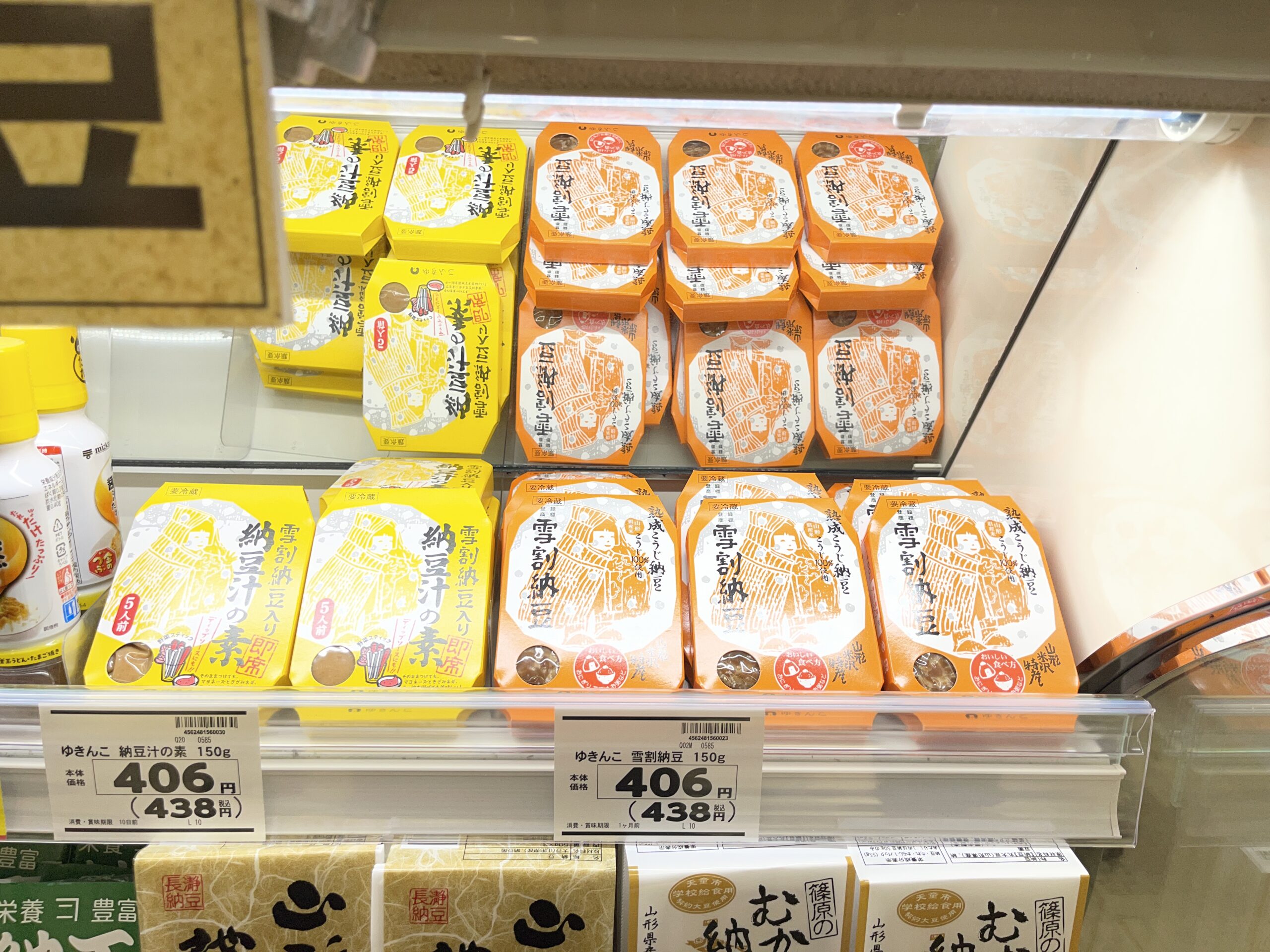
Although Yukiwari Natto includes the word “natto,” its production process and flavor are completely different from the natto most people know. Let’s break down what Yukiwari Natto actually is!
A Preserved Food Made by Further “Fermenting” Natto
The true identity of Yukiwari Natto is a mixture of crushed natto combined with rice koji and salt, then slowly aged at low temperatures. It’s essentially similar to “natto preserved in shio‑koji” or even a kind of “natto miso.”
Its origin traces back to the Edo period in the Okitama region, where a traditional preserved food called Goto Natto was made. To prepare for famine or busy farming seasons, people mixed crushed natto with rice koji and salt, then let it ferment inside a warm kotatsu throughout winter until spring. Yukiwari Natto is a commercialized version of this traditional Goto Natto.
The Traditional Flavor Preserved by Yonezawa’s “Yukinko”
Today, this traditional food is produced by Yukinko Co., Ltd. in Yonezawa City, Yamagata.
Originally, “Maruyone Foods” manufactured and sold Yukiwari Natto, but when the company closed in 2014, the product temporarily disappeared. That same year, local seafood wholesaler Sano Suisan established a new company, Yukinko, and—together with the craftsmen from Maruyone Foods—revived the techniques and flavors, continuing the tradition.
Although labor‑intensive and once nearly lost, the product survives thanks to the passion of those who believed “this flavor must not disappear.”
Trying Yamagata’s Traditional Food: Yukiwari Natto
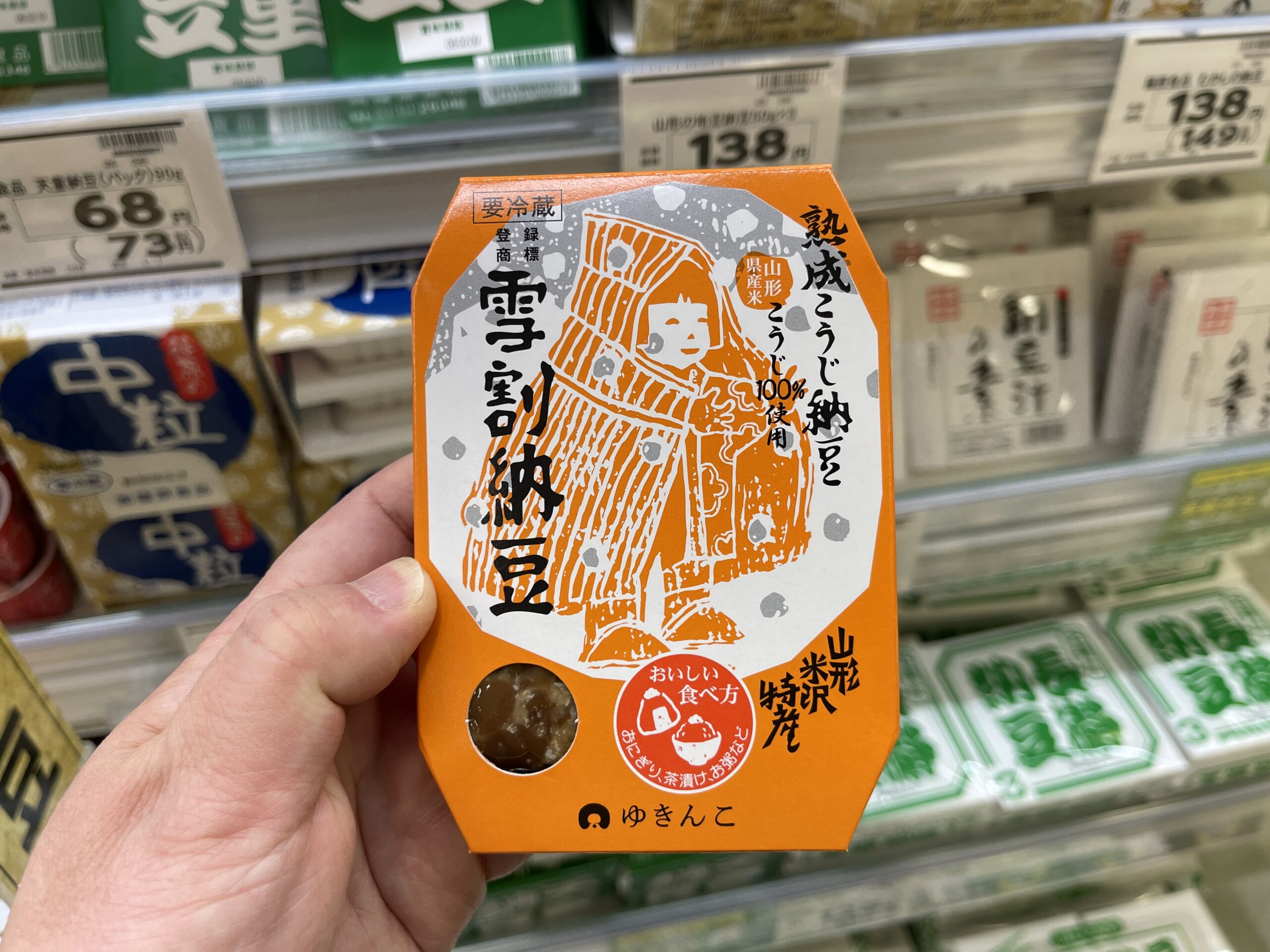
This time, I purchased Yamagata’s traditional food, Yukiwari Natto, and tried it again! The packaging is quite different from regular natto.
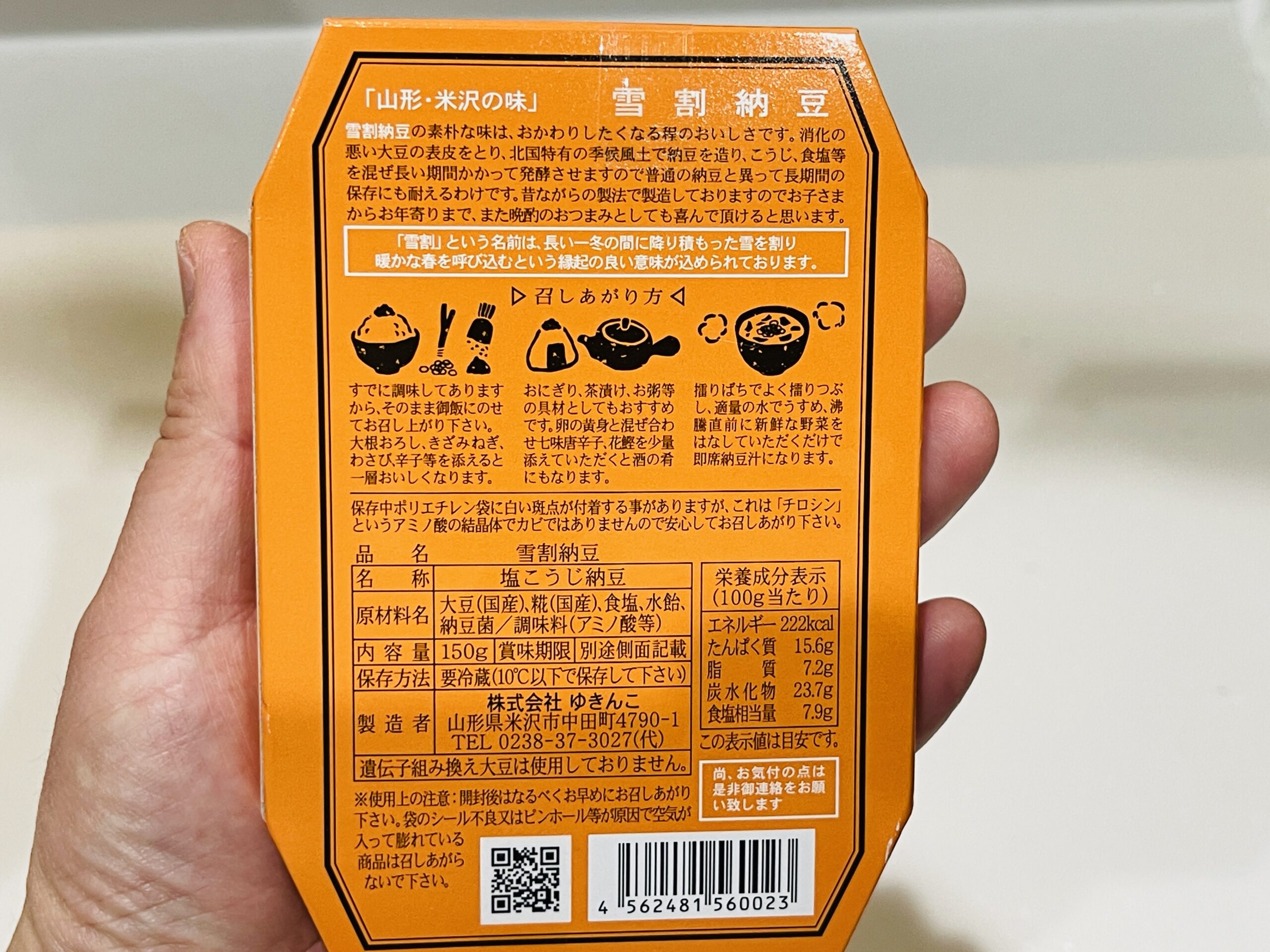
Back of the package, showing various suggested ways to enjoy it. Japanese text only
The back of the package lists recommended ways to enjoy Yukiwari Natto. You can eat it as is, or add grated daikon, chopped green onions, wasabi, or mustard. Sounds delicious.
You can also mash it and make instant natto soup. Lots of ways to experiment! Here’s what it looks like inside:
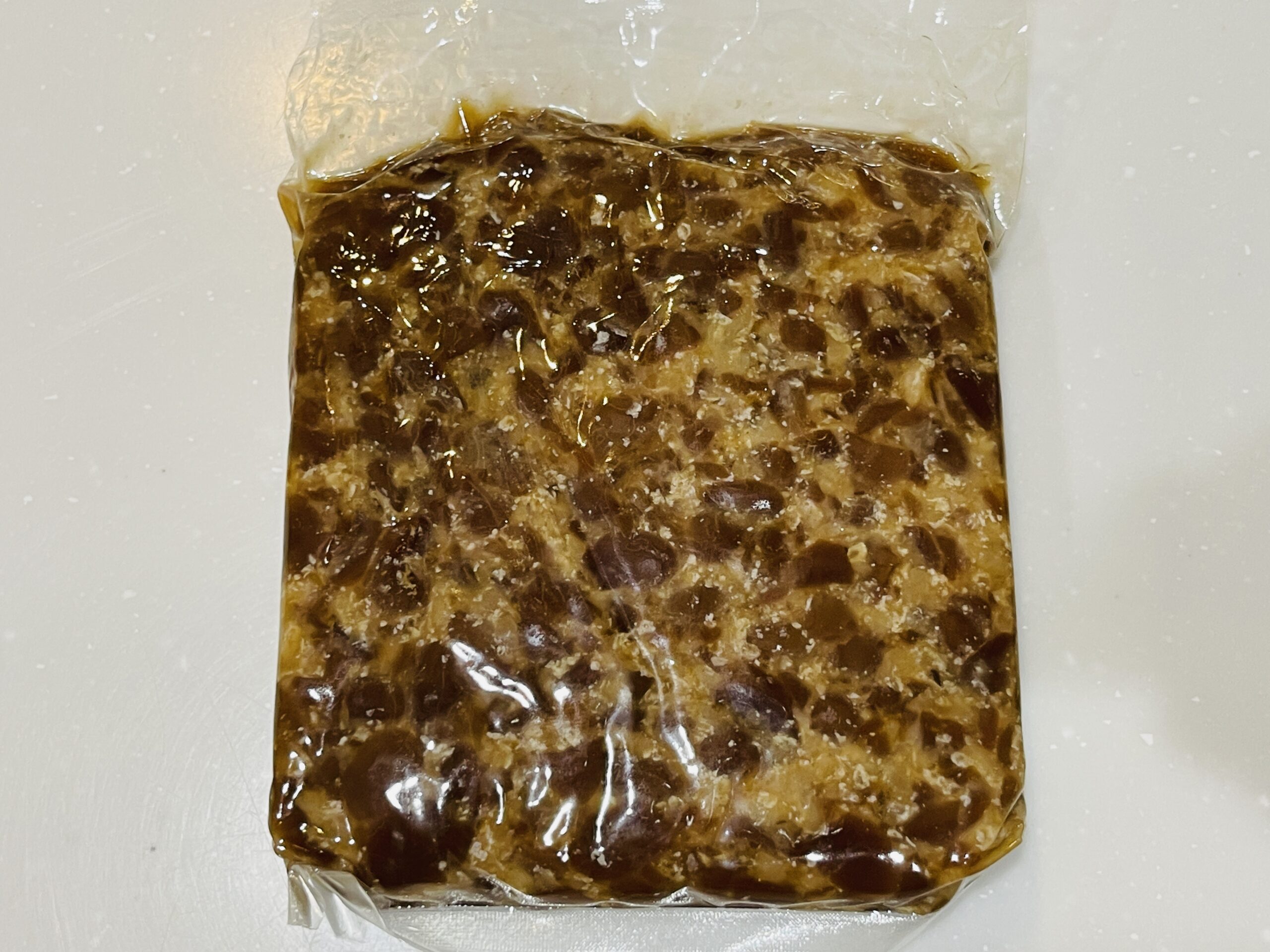
The white grains between the soybeans are rice koji—this is the source of the deep umami you won’t find in regular natto.
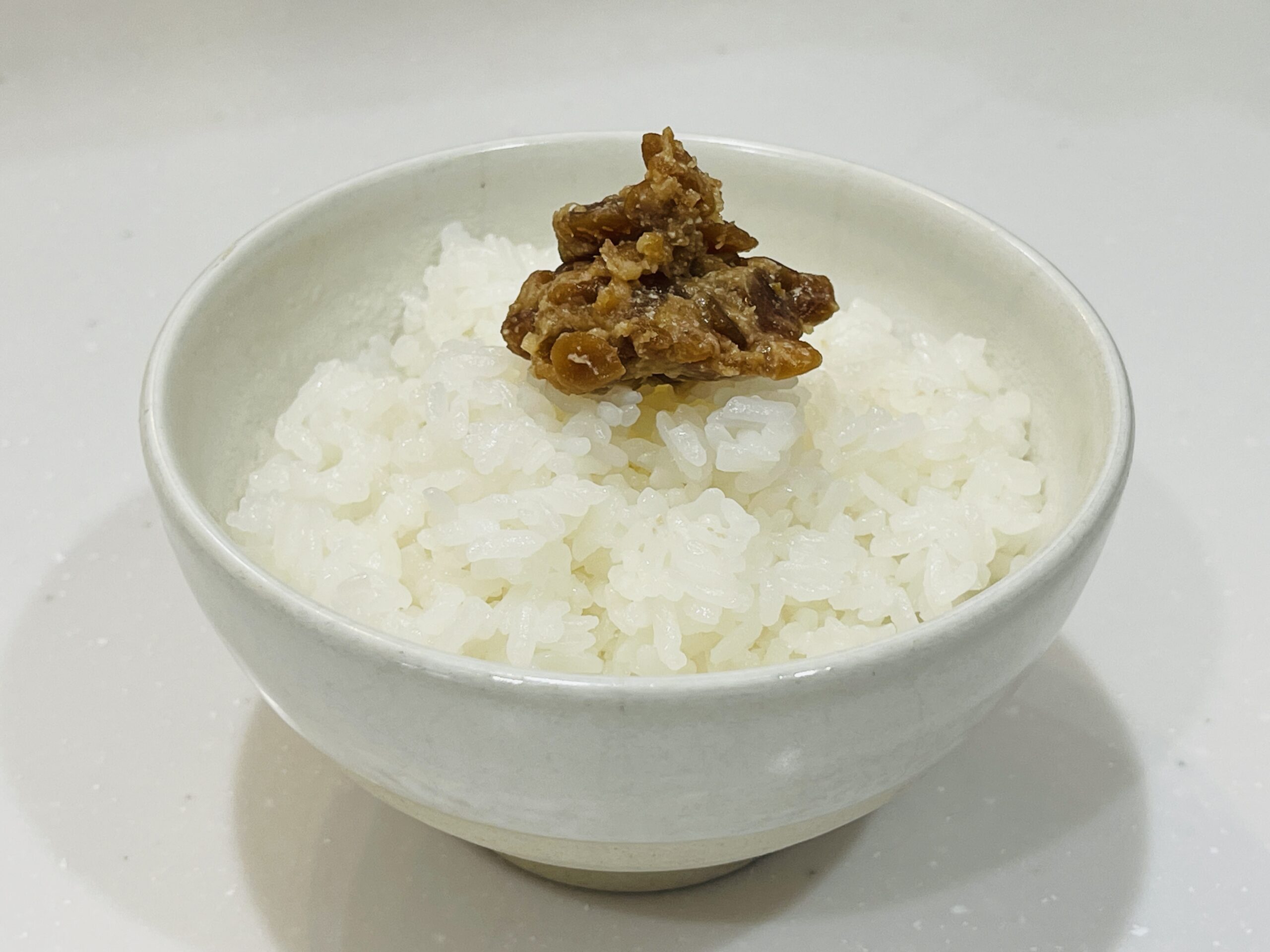
First, I tried it on rice. It looks plain, but the flavor impact is incredible.
Now, let’s finally taste it!
Don’t Add Soy Sauce! The Flavor Is Complete with “Salt and Koji” Alone
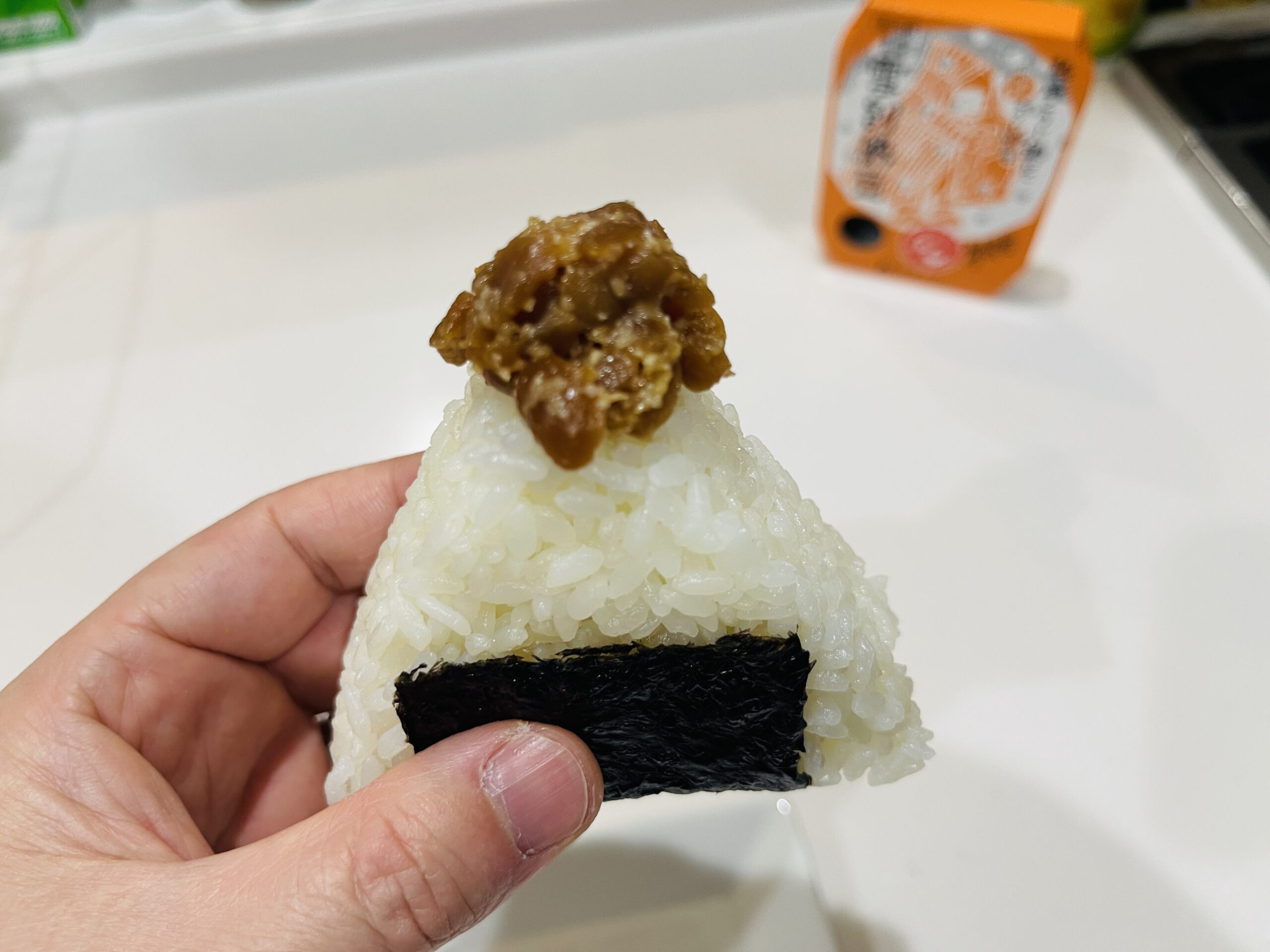
Now it’s time to taste Yukiwari Natto. The way you eat it is simple, but if you treat it like regular natto, you’ll fail—so be careful. Its biggest characteristic is that no seasoning is needed.
The Moment You Taste It, the Aged Umami Explodes
The first bite hits you with a strong saltiness. Right after that, the mellow sweetness from the koji and the deep, aged richness of the soybeans spread across your mouth.
You do NOT need soy sauce. In fact, you shouldn’t add it. The flavor is already perfectly balanced with just “salt” and “koji,” so eating it as is is the most delicious way.
The Nickname “Rice Thief” Is No Exaggeration
Because the flavor is so concentrated, a single spoonful can make an entire bowl of rice disappear. Where you’d normally use one full pack of regular natto, Yukiwari Natto requires only a small amount. It’s also one of the most cost‑effective rice accompaniments you can find.
Carbs Disappear in Seconds! The “Addictive” Yukiwari Natto Recipes
Simply placing it on rice already makes an incredible meal, but Yukiwari Natto’s potential doesn’t end there. Here are two dangerously delicious combinations using “egg” and “cheese,” both of which pair perfectly with Yukiwari Natto—though they may be too tempting for anyone on a diet.
1. The Ultimate Breakfast: Yukiwari Natto TKG (Egg Over Rice)
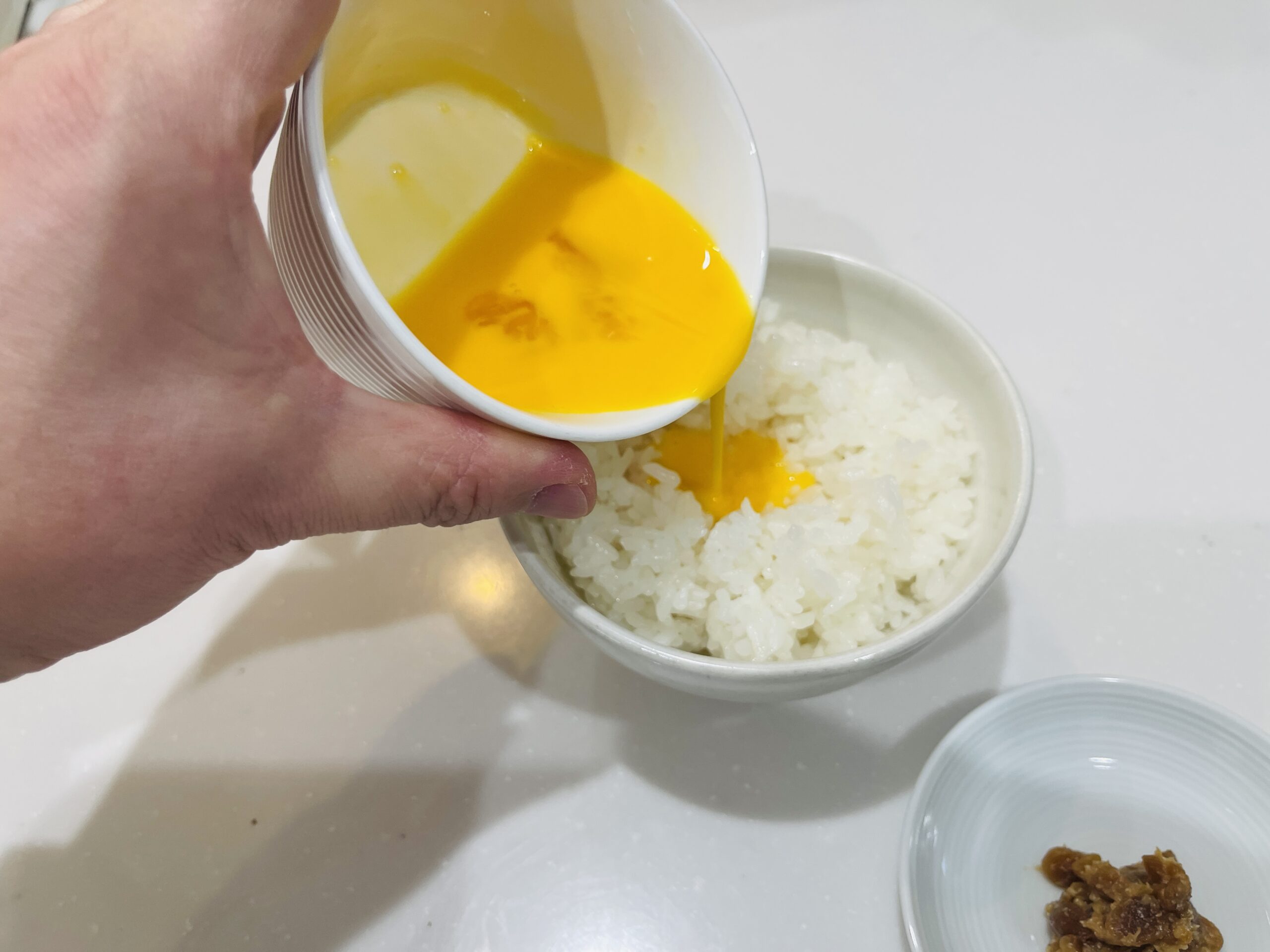
Let’s start with a twist on plain white rice. When making egg‑over‑rice, use Yukiwari Natto instead of soy sauce.
Step 1: Crack a raw egg over hot rice
Step 2: Add one spoonful of Yukiwari Natto
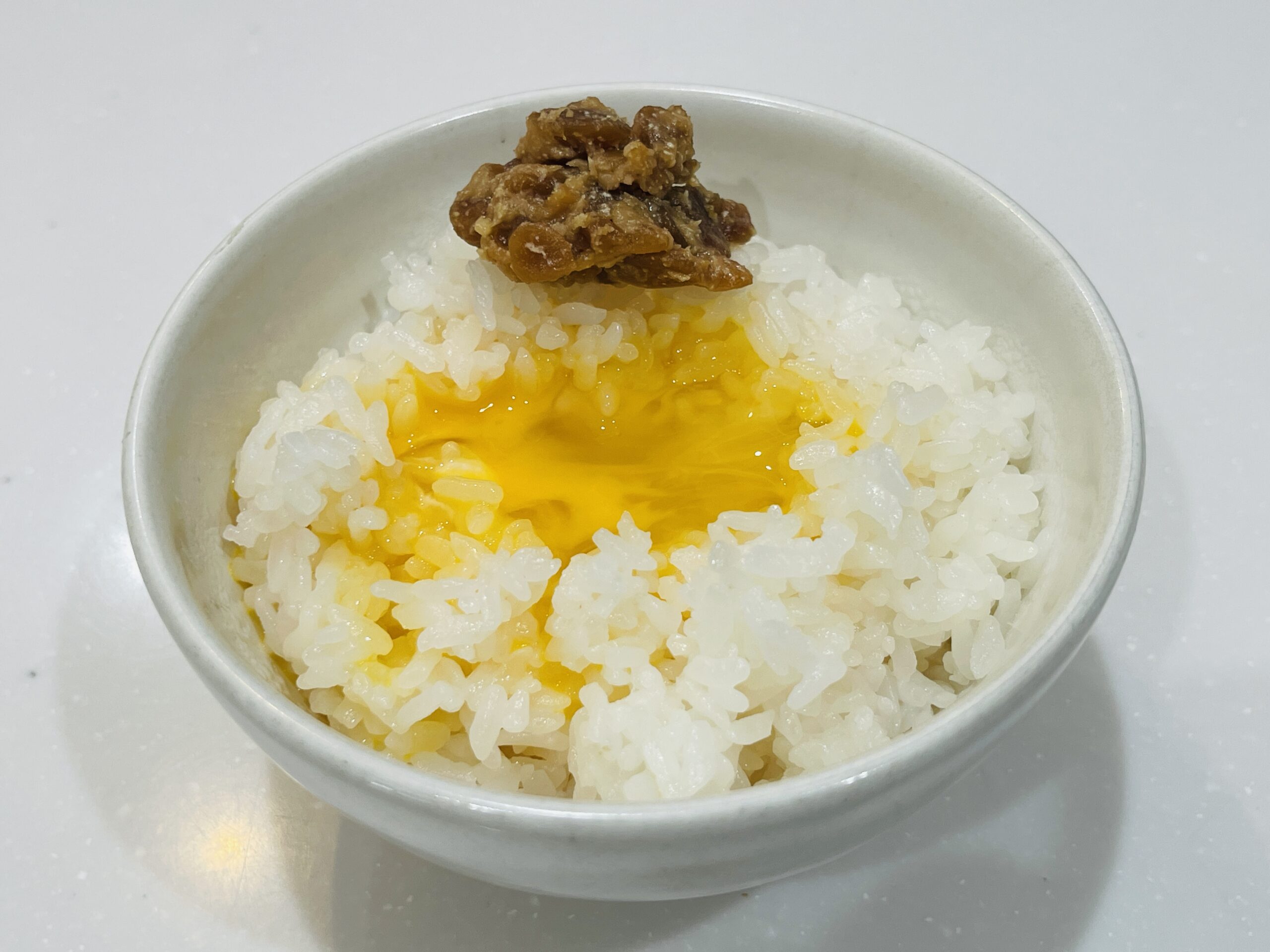
Step 3: Mix vigorously and enjoy
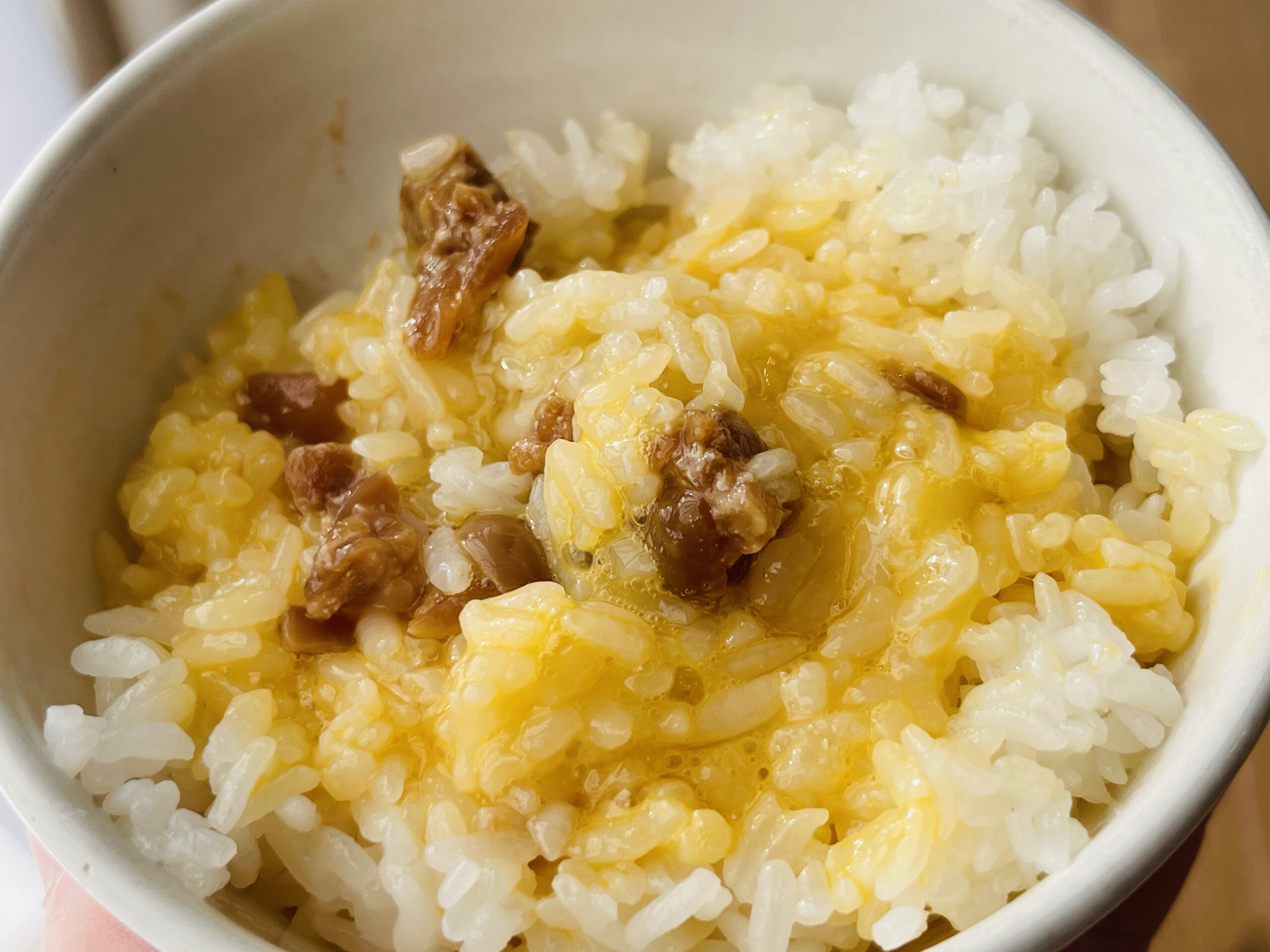
Soy sauce tends to make TKG one‑note, but when Yukiwari Natto’s “koji sweetness” and “saltiness” combine with the egg yolk, the flavor transforms into something almost like sea urchin.
A perfect TKG that requires zero soy sauce!
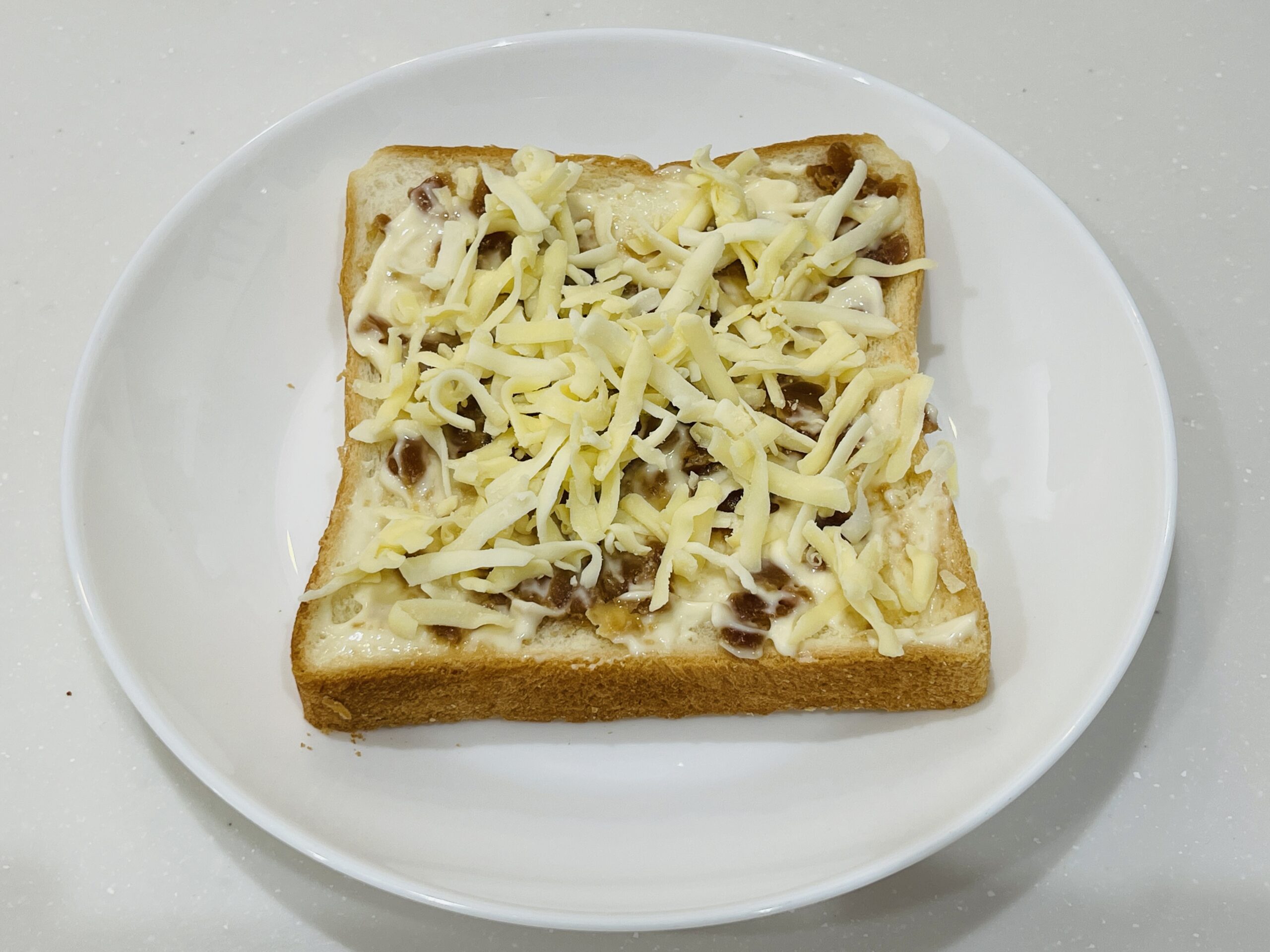
2. Caloric Chaos: Yukiwari Mayo‑Cheese Toast
Now for the main event. Yukiwari Natto pairs shockingly well not only with rice but also with bread. Here’s the devilish recipe: **Yukiwari Mayo‑Cheese Toast**.
Step 1: Spread Yukiwari Natto on a slice of bread
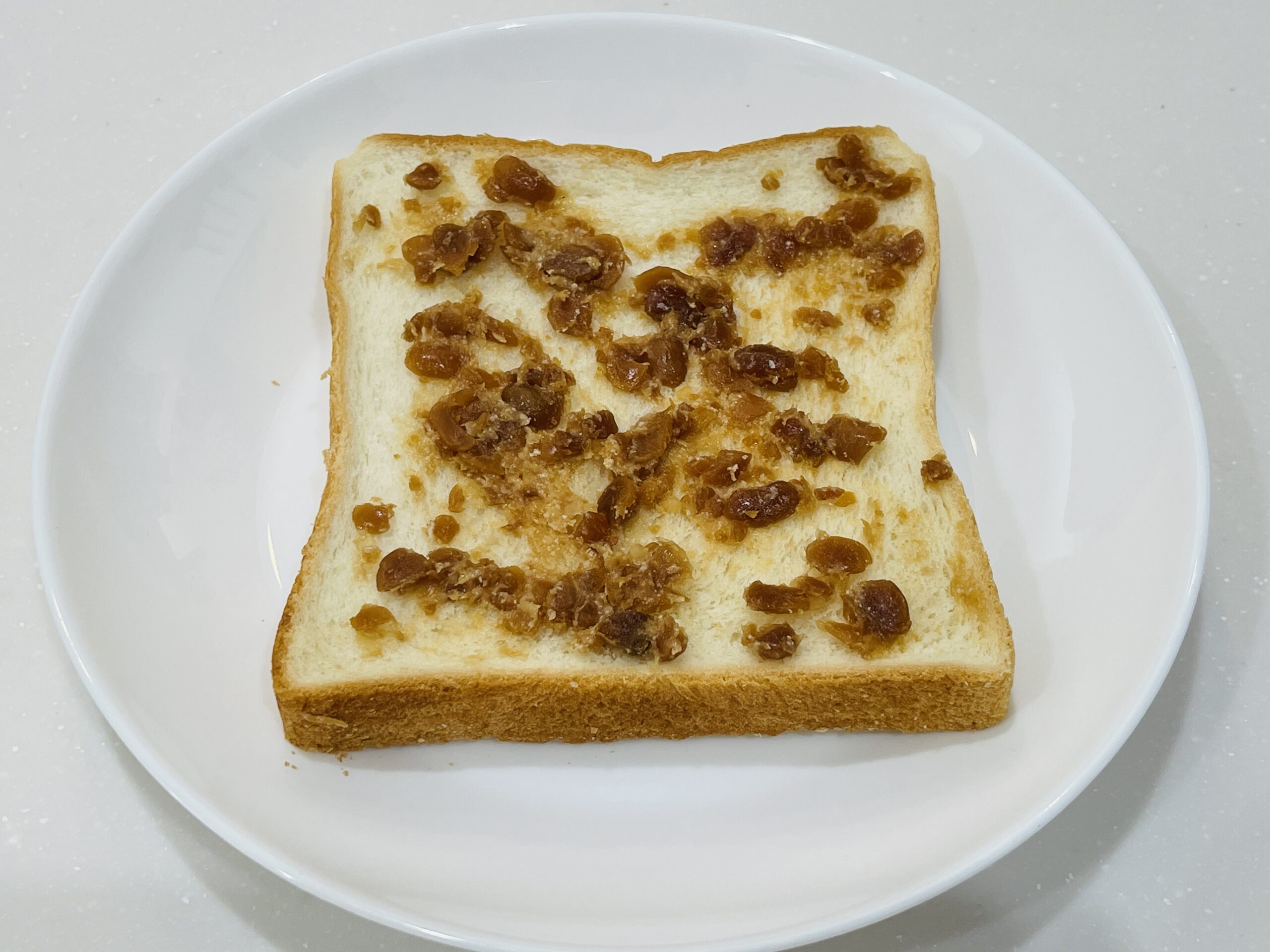
Step 2: Add mayonnaise and cheese
Step 3: Toast until golden
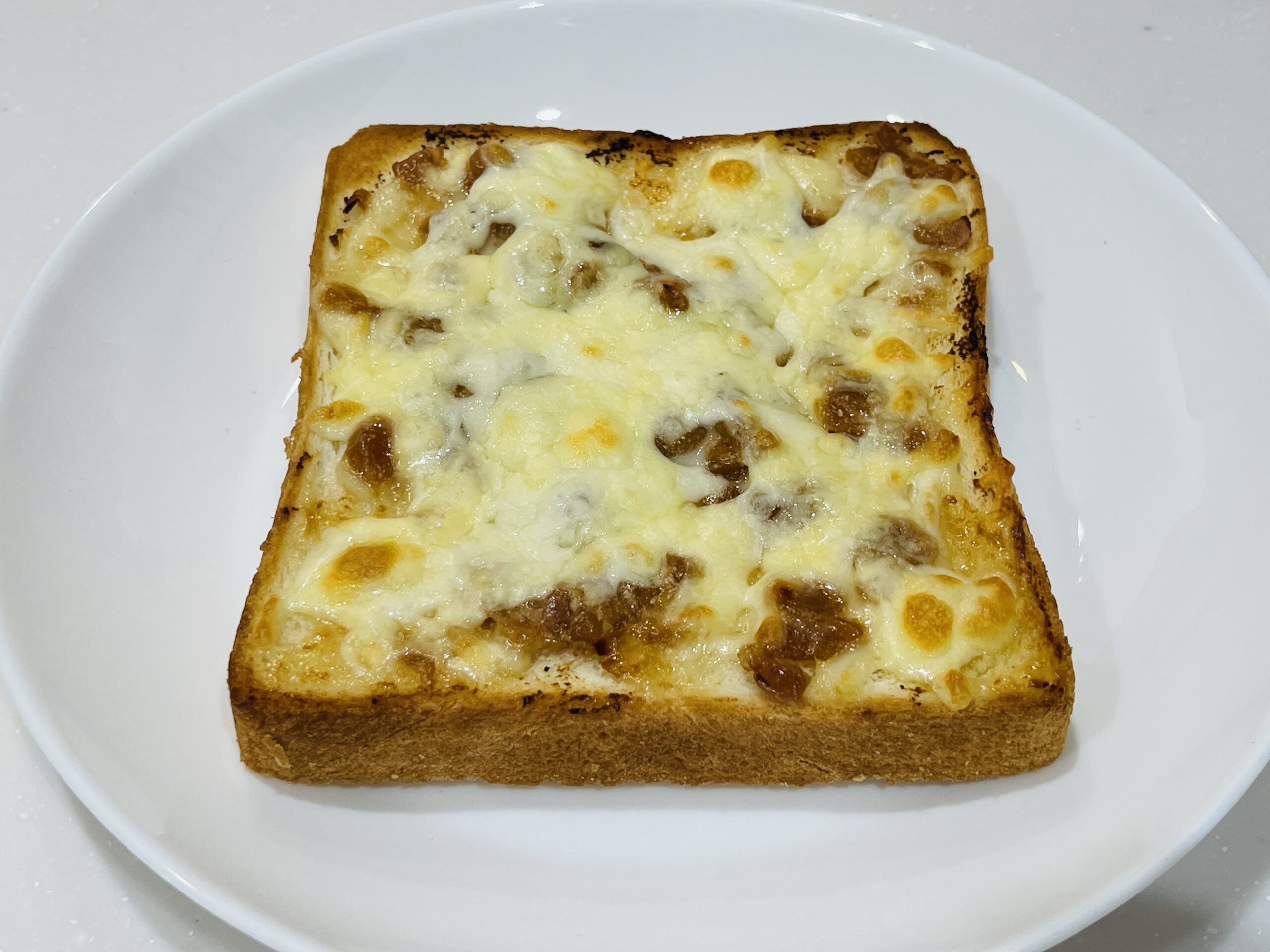
【Time to Taste!】Wait… What is this?!
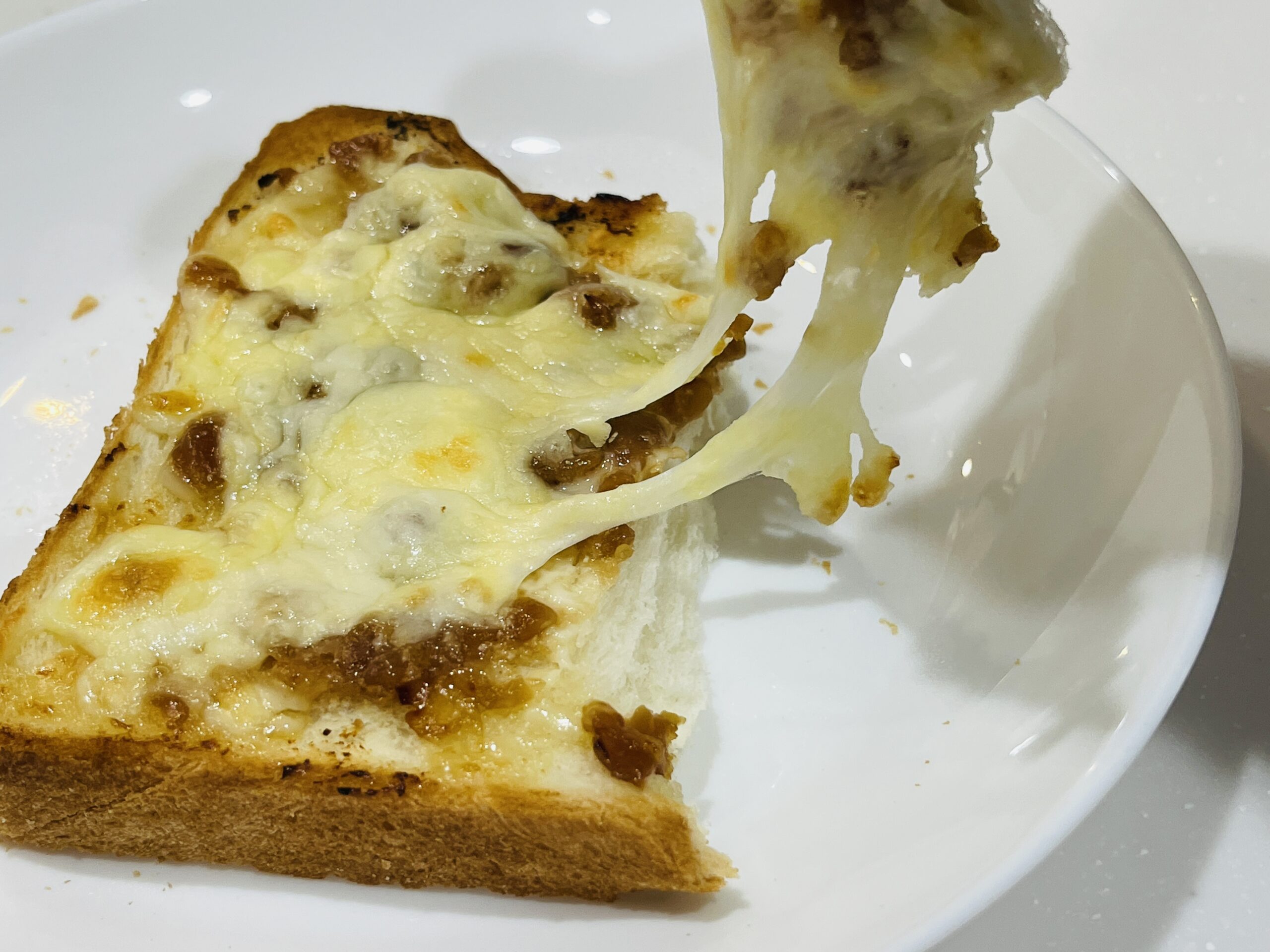
The moment I took a bite, what flashed through my mind was a high‑end Italian pizza. “This smells like… Gorgonzola pizza.”
When heated, Yukiwari Natto’s unique fermented aroma transforms into something reminiscent of blue cheese. Because it’s already salty, adding a drizzle of honey would absolutely work—dangerously addictive sweet‑and‑salty bliss.
Bread (wheat), natto, cheese. The combination of fermented foods creates a devilish flavor you can never return from once you’ve tried it.
Summary
Yukiwari Natto is a rare natto you won’t often find in supermarkets nationwide.
Thanks to the triple fermentation power of natto × koji × salt, rice becomes endlessly irresistible. If you ever spot this authentic traditional food—made by Yonezawa’s “Yukinko”—at a Yamagata antenna shop, online store, or a supermarket during your travels, don’t hesitate to put it in your basket. Your entire concept of “natto” will be delightfully shattered.
![[Yamagata’s local cuisine] “Hippari udon” is recommended in the summer! “Chilled” recipe on hot days’ cooking デスクトップ向け](https://bongheiberg.yamagata.jp/wp-content/uploads/2025/09/29523048_m-1024x576.jpg)

![[Yamagata, Oguni Town / Iide Town] Climbing ‘Kuratesan’ and the ‘Submerged Forest’ of Shirakawa Lake | Be amazed by the huge panorama from Kuratesan and the magical Shirakawa Lake! アイキャッチ](https://bongheiberg.yamagata.jp/wp-content/uploads/2026/05/image2.jpg)
![[Yamagata, Higashine City] Sobadokoro Higashitei|A place near the Higashine sakuranbo station where you can try cold meat soba etc アイキャッチ](https://bongheiberg.yamagata.jp/wp-content/uploads/2026/02/398e9260dd7f4f868180b280bdeb03f8-scaled.jpg)
![[Yamagata, Yonezawa City] Nationally Designated Historic Site ‘Uesugi Family Mausoleum’ | Visiting Report of a Historic Spot Where Uesugi Kenshin and Uesugi Yozan Rest アイキャッチ](https://bongheiberg.yamagata.jp/wp-content/uploads/2026/03/gobyosyo-main-1-scaled-e1773895183538.jpg)
![[Yamagata, Obanazawa City] Stewed Hormone ‘Sasanishiki Shokudo’ | I Went to a Popular Spot That Never Stops Having a Line! アイキャッチ](https://bongheiberg.yamagata.jp/wp-content/uploads/2026/02/5e784e5981a96bbb68dcfef63a84a621-scaled.jpg)
![[Yamagata, Yamagata City] Ofuro Café Yusa | Relaxing and Instagrammable Hot Springs アイキャッチ](https://bongheiberg.yamagata.jp/wp-content/uploads/2025/09/yusa_irigutisyoumen.jpg)